 Anacortes Roofing
 Roofing Built for Cap Sante's Marine Climate
Cap Sante sits right where Anacortes meets the water — the marina, the bluff, the park up top with views out over Rosario Strait and the San Juans. It's one of the more exposed pockets of the city, and that exposure shows up on roofs, siding, and window frames faster than it does in more sheltered neighborhoods inland. If you own a home or manage a property near Cap Sante, you're dealing with a specific combination of salt-laden air, wind off the water, and the shade-and-moisture conditions that make moss such a persistent problem in this part of Skagit County.
We're a local exterior contractor, and Cap Sante is a neighborhood we know well. This page walks through what actually wears out exterior materials here, what holds up, and how we approach roofing, siding, window, and deck work for properties in this area.
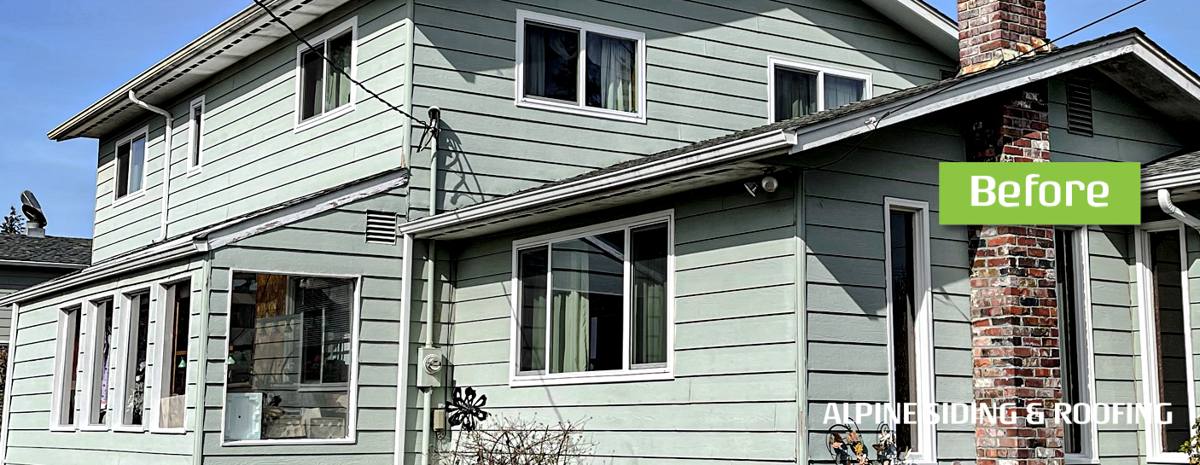
What Cap Sante Properties Are Up Against
Salt air
Proximity to saltwater accelerates corrosion on anything metal — flashing, fasteners, gutter hardware, and exposed hardware on decks and railings. Over years, standard fasteners can start to streak, pit, or weaken well before a comparable home a few miles inland would show the same wear. This is one of the biggest reasons material and fastener choice matters more here than in a lot of other parts of the county.
Driving rain and wind
Cap Sante's elevation and open exposure toward the water mean wind-driven rain hits roofs and walls at an angle, not just straight down. That matters because a roofing or siding system that performs fine in calm, vertical rain can still leak if it wasn't detailed for wind-driven moisture — underlayment laps, flashing at penetrations, and siding overlaps all need to account for that sideways push.
Moss and shade
Wherever tree cover meets persistent moisture — which describes a lot of Cap Sante — moss finds a foothold on north-facing roof slopes and shaded siding. Left alone, moss holds water against roofing material, lifts shingle edges, and works its way under laps over time. It's rarely the single event that causes damage; it's the slow, cumulative moisture retention.
Long wet season
Skagit County's rainy season runs long, and a roof or siding system doesn't get much of a true dry-out period most of the year. Any weak point — a cracked shingle, an open seam, a gap in caulking around a window — has more opportunity to let water in and less opportunity to dry before the next system rolls through.
Roofing Materials That Hold Up Here
There's no single "best" roofing material for every home — it depends on your roof's exposure, your home's style, and your budget. Here's how the common options compare specifically for a salt-air, high-moss environment like Cap Sante.
| Material | Salt air / moisture resistance | Moss resistance | Maintenance | Typical lifespan |
|---|---|---|---|---|
| Architectural asphalt shingle | Good with proper flashing and fasteners | Moderate; benefits from algae-resistant granules | Periodic moss treatment and gutter clearing | 25-30 years |
| Standing seam metal | Very good with coated, corrosion-resistant fasteners and panels | High — moss struggles to grip smooth metal | Low; occasional inspection of seams and fasteners | 40-50+ years |
| Cedar shake | Moderate; needs regular maintenance to manage moisture uptake | Low without diligent upkeep | High — cleaning, treatment, and periodic replacement of shakes | 20-30 years with upkeep |
| Synthetic composite shake/slate | Good; engineered to resist moisture absorption | Moderate to high depending on product | Low to moderate | 30-50 years |
We don't push one material on every job. Cedar has real appeal and a long track record, but in a shaded, salt-air, high-moisture spot it asks for more ongoing attention than most homeowners want to sign up for — that's a maintenance conversation we have honestly, not a knock on the product itself. Metal and modern architectural shingles tend to be the lower-maintenance path for a lot of Cap Sante homes, but the right call always depends on your specific roof.
Siding, Windows, and Decks — Same Exposure, Different Failure Points
Siding
Siding on a Cap Sante home takes the same wind-driven rain and salt exposure as the roof, plus UV from open water-facing sun exposure on unshaded elevations. Water intrusion usually starts small — a gap at a seam, a failed caulk joint around a window, a spot where the water-resistive barrier behind the siding wasn't lapped correctly. We pay close attention to flashing details at windows, doors, and trim, since that's where most siding failures actually originate, not in the field of the siding itself.
Windows
Older windows near the water often show their age through failed seals (fogging between panes), soft or rotting frames, and drafts around the sash. Salt air can also accelerate corrosion on aluminum window hardware and frames that weren't specified for coastal exposure. When we replace windows here, proper flashing integration with the siding system matters as much as the window unit itself — a great window installed with poor flashing will still leak.
Decks
Decks facing the water get sun, wind, and salt spray in combination, which is a hard combination on fasteners, railings, and ledger connections. Composite decking has become popular here because it doesn't absorb moisture the way wood does, but the substructure, flashing at the ledger board, and fastener quality matter just as much as the decking material for a deck that's going to hold up long-term.
Signs Your Roof or Exterior Needs Attention
A few things worth checking on a Cap Sante property, especially after a windy winter:
- Moss buildup on north- or shade-facing roof slopes, especially where it's thick enough to hold visible moisture
- Granule buildup in gutters or downspouts (a sign asphalt shingles are wearing)
- Streaking or rust-colored staining near flashing, fasteners, or gutter hardware
- Soft spots, discoloration, or peeling paint on siding near window and door trim
- Fogging or condensation between window panes, or drafts around window frames
- Soft decking boards, loose railings, or rust on deck fasteners and connectors
- Water stains on interior ceilings or in the attic after a heavy rain event
None of these mean you need a full replacement right away — most are catchable with a repair or a maintenance visit if you address them early. The problems get expensive when they're left through another wet season.
A Realistic Maintenance Rhythm for This Area
Given the moss pressure and salt exposure around Cap Sante, we generally recommend:
- Gutter clearing at least twice a year — more often if you're under fir or cedar trees
- Moss treatment on shaded roof slopes on a yearly or every-other-year cycle, depending on tree cover
- A visual roof and flashing check after any major windstorm, not just on a fixed schedule
- Periodic inspection of deck fasteners, railings, and ledger connections for corrosion
- Recaulking or resealing around windows and trim as it shows wear, rather than waiting for a leak
This kind of light, regular attention is almost always cheaper than the repair bill that follows a neglected leak.
Why a Local Crew Matters for This Kind of Work
A roofing or siding crew that mostly works drier, inland jobs doesn't always think about wind-driven rain detailing or salt-rated fasteners the same way a crew that works the water side of Skagit County does by default. Knowing that a Cap Sante roof needs different flashing attention than a job a few miles inland isn't guesswork for us — it's just what the neighborhood requires. We also know the practical side: permitting through the City of Anacortes, how weather windows actually work on this part of the coast, and what realistic maintenance looks like for homes in this specific microclimate.
What to Expect When You Call Us
For roofing, siding, window, or deck work in Cap Sante, our process starts with an on-site look at your specific exposure — which direction your roof and walls face, how much shade and tree cover you have, and what condition your current materials are actually in. From there we'll walk you through material options with honest trade-offs, not just a single recommendation, and give you a clear scope and price before any work starts. We handle roofing, siding, windows, and decks, so if more than one part of your exterior needs attention, we can look at the whole picture instead of treating each one in isolation.
If you're seeing moss buildup, siding wear, drafty windows, or a deck that's showing its age, we're happy to take a look. Reach out for a free, no-pressure estimate using the form below, and we'll give you a straight assessment of what your Cap Sante property actually needs.