 Anacortes Roofing
 Roofing Built for Oak Harbor's Climate
Oak Harbor sits close enough to the water that homes here deal with a different set of pressures than houses further inland. Salt-laden air off the Sound works on metal fasteners, flashing, and gutter systems year-round, while driving rain off Skagit County's frequent winter storms tests every seam, valley, and penetration point on a roof. Add in a moss season that can stretch from late fall through spring, and you've got a climate that's genuinely harder on a roof than most homeowners realize until something starts leaking.
We've worked on enough roofs in this part of Skagit County to know the failure patterns aren't random. They follow the weather. Understanding that is most of what separates a roof that lasts its full service life from one that needs premature repairs.
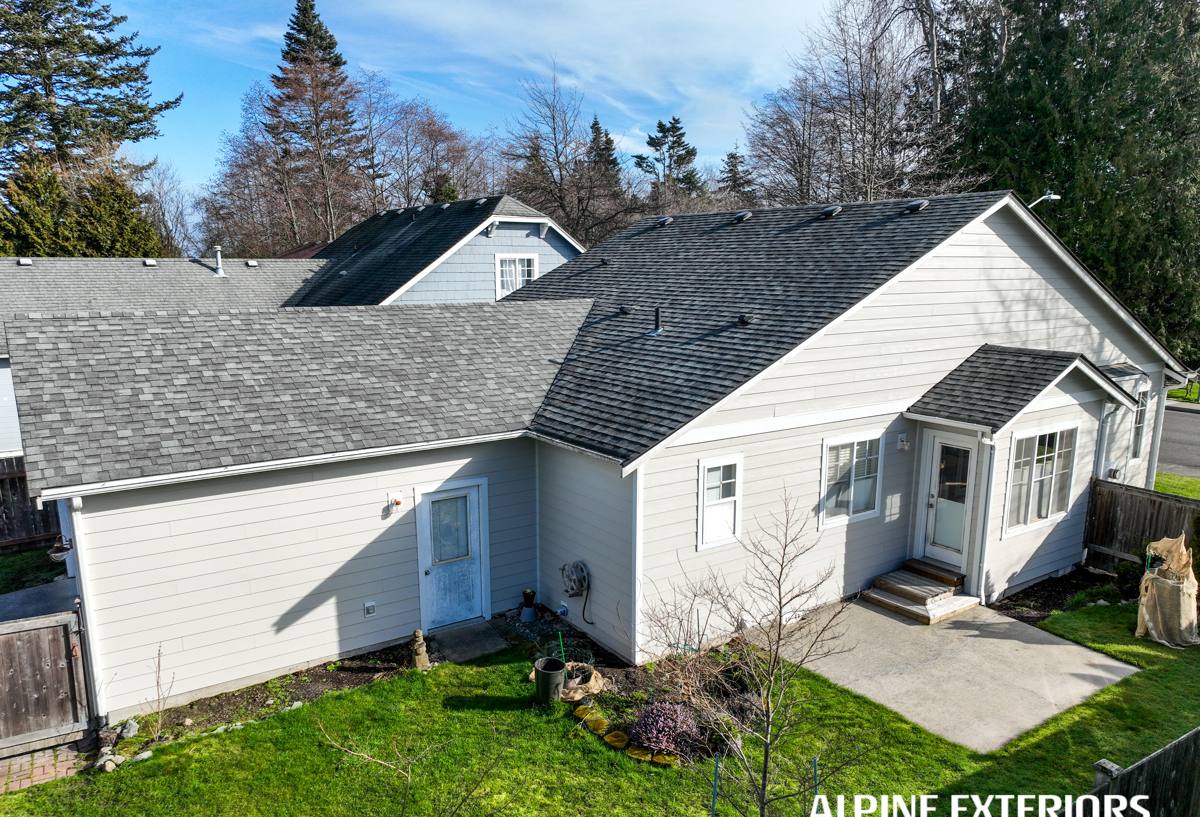
What Salt Air Actually Does to a Roof
Salt air isn't just a coastal talking point — it has real, measurable effects on roofing materials over time.
- Fastener corrosion: Standard steel nails and screws corrode faster near the water. We favor corrosion-resistant fasteners rated for coastal exposure.
- Metal flashing degradation: Flashing around chimneys, skylights, and roof-to-wall transitions is often where a roof fails first — salt air accelerates rust and pitting on lower-grade metals.
- Gutter and downspout wear: Aluminum gutters hold up reasonably well, but seams and end caps are common weak points in a salt-air environment.
- Faster finish wear on some roofing products: UV exposure combined with salt spray can dull or degrade certain coatings faster than the same product would wear inland.
None of this means roofing near the water is a losing battle. It means material selection and detailing matter more here than they do 30 miles inland, and it's worth working with a crew that accounts for that from the start rather than treating every job the same.
Moss: The Slow, Quiet Roof Killer
Western Washington's damp, mild winters are close to ideal growing conditions for moss, and roofs with any shade — from trees, from neighboring structures, from the north-facing slope of the house itself — are especially prone to it. Moss doesn't just look bad. It holds moisture against the roofing surface long after rain has stopped, works its way under shingle edges and tabs, and over a few seasons can lift material enough to let water in. Left unaddressed through several moss seasons, what starts as a cosmetic issue becomes a leak.
Regular moss removal — done correctly, without pressure-washing that strips granules or damages shingles — combined with zinc or copper strip treatments along the ridge can keep moss from taking hold in the first place. It's a small maintenance step that saves real money over the life of a roof.
Roofing Services for Oak Harbor Homes
We handle the full range of roofing work, from full replacements to targeted repairs:
- Full roof replacement (asphalt composition shingle, metal, and other systems suited to Pacific Northwest weather)
- Roof repair — storm damage, isolated leaks, flashing failures, and worn or missing shingles
- Roof inspections, including pre-purchase and post-storm assessments
- Gutter installation and repair, sized and detailed for heavy seasonal rain
- Moss treatment and removal
- Ventilation assessment and improvement — proper attic airflow reduces moisture buildup that shortens roof life from the inside out
Why Ventilation Matters More Here Than People Expect
A roof that's failing from underneath rarely gets blamed on ventilation, but in a climate this damp, poor attic airflow traps moisture that condenses, soaks sheathing, and promotes mold and rot — all before it ever shows up as a visible roof problem. When we're on a roof for repair or replacement work, we check ventilation as a matter of course, not as an upsell.
Beyond the Roof: Siding, Windows, and Decks
Roofing problems rarely exist in isolation on a coastal Pacific Northwest home, which is part of why we handle siding, windows, and decks in addition to roofing.
Siding
Driving rain doesn't just fall straight down here — wind off the water pushes it sideways into wall assemblies, which makes siding installation quality and proper flashing at every window, door, and penetration critical. Poorly installed or aging siding lets moisture behind the wall system, leading to rot that's expensive to fix once it's underway. We install fiber cement, engineered wood, and other siding systems suited to this exposure, with attention to water management details that matter more here than in a drier climate.
Windows
Old or poorly sealed windows are a common source of moisture intrusion and energy loss in coastal homes. Replacement windows with proper flashing and weatherproofing pay for themselves in comfort and in reduced risk of water damage around the frame.
Decks
Outdoor living spaces here take a beating from year-round moisture. We build and repair decks with materials and fastening methods chosen for wet-climate durability, including attention to ledger board flashing — one of the most common sources of hidden rot on older decks.
Comparing Roofing Material Options for Coastal Skagit County
| Material | Coastal/Salt Air Performance | Typical Lifespan | Maintenance Considerations |
|---|---|---|---|
| Asphalt composition shingle | Good with quality underlayment and corrosion-resistant fasteners | 20-30 years | Moss monitoring; periodic inspection of flashing |
| Metal (standing seam) | Strong if properly coated and fastened; watch fastener/flashing corrosion over time | 40-60 years | Occasional fastener and sealant check |
| Wood shake | More vulnerable to moisture retention and moss in shaded, damp conditions | 20-30 years | Higher maintenance; moss and moisture management is ongoing |
| Synthetic/composite | Generally stable in coastal exposure; product quality varies | 30-50 years | Low; periodic inspection |
There's no single "best" material for every home — roof pitch, shading, budget, and the look you want all factor in. We'll walk through the honest trade-offs for your specific roof rather than push one product across the board.
Cost Factors Homeowners Should Know
Roofing costs vary a lot based on specifics, but the main drivers are consistent:
- Roof size and complexity: More valleys, dormers, and penetrations mean more labor and material.
- Material choice: Asphalt shingle is typically the most budget-friendly; metal and premium materials cost more upfront but can offer longer service life.
- Tear-off and layers: Removing existing layers of roofing adds cost but is often necessary to properly inspect and repair the deck underneath.
- Access and pitch: Steep or hard-to-access roofs require more safety equipment and labor time.
- Underlayment and flashing upgrades: Given the rain exposure here, we don't cut corners on underlayment quality or flashing detail — it's cheap insurance against future leaks.
We provide itemized, written estimates so you can see exactly what you're paying for and why, rather than a single lump-sum number.
Why a Local Crew Matters for Oak Harbor
A contractor based in this area understands the practical realities of building here: how storms typically track in off the water, which roof orientations tend to hold moss longest, what permitting looks like in Skagit County, and how to schedule work around the wetter months rather than fighting them. That local knowledge shows up in small decisions — material selection, flashing details, scheduling — that add up to a roof that performs the way it's supposed to for its full lifespan.
It also matters for accountability. A local crew is easy to reach if something needs a follow-up look after a big storm, and we stand behind our work because we're not going anywhere.
A Homeowner's Roof Maintenance Checklist
Between professional inspections, a few simple habits go a long way toward avoiding costly surprises:
- Walk the perimeter after major storms and look for displaced shingles, debris buildup, or damaged gutters
- Keep gutters and downspouts clear, especially heading into fall
- Watch for moss growth on shaded roof sections and address it before it spreads
- Check attic spaces periodically for signs of moisture, staining, or musty odor
- Trim back tree limbs that overhang the roof to reduce shade, debris, and physical damage risk
- Schedule a professional inspection every couple of years, or after any significant storm event
Get an Honest Look at Your Roof
Whether you're dealing with a moss problem that's gotten out of hand, a leak you can't quite pin down, or you're just due for an inspection before another wet season sets in, we're happy to take a look. If you're also thinking about siding, windows, or deck work while we're out, we can walk the whole exterior and give you straight answers on what actually needs attention now versus what can wait. Reach out for a free, no-pressure estimate using the form below.