 Anacortes Roofing
 Windows Built for Oak Harbor's Marine Climate
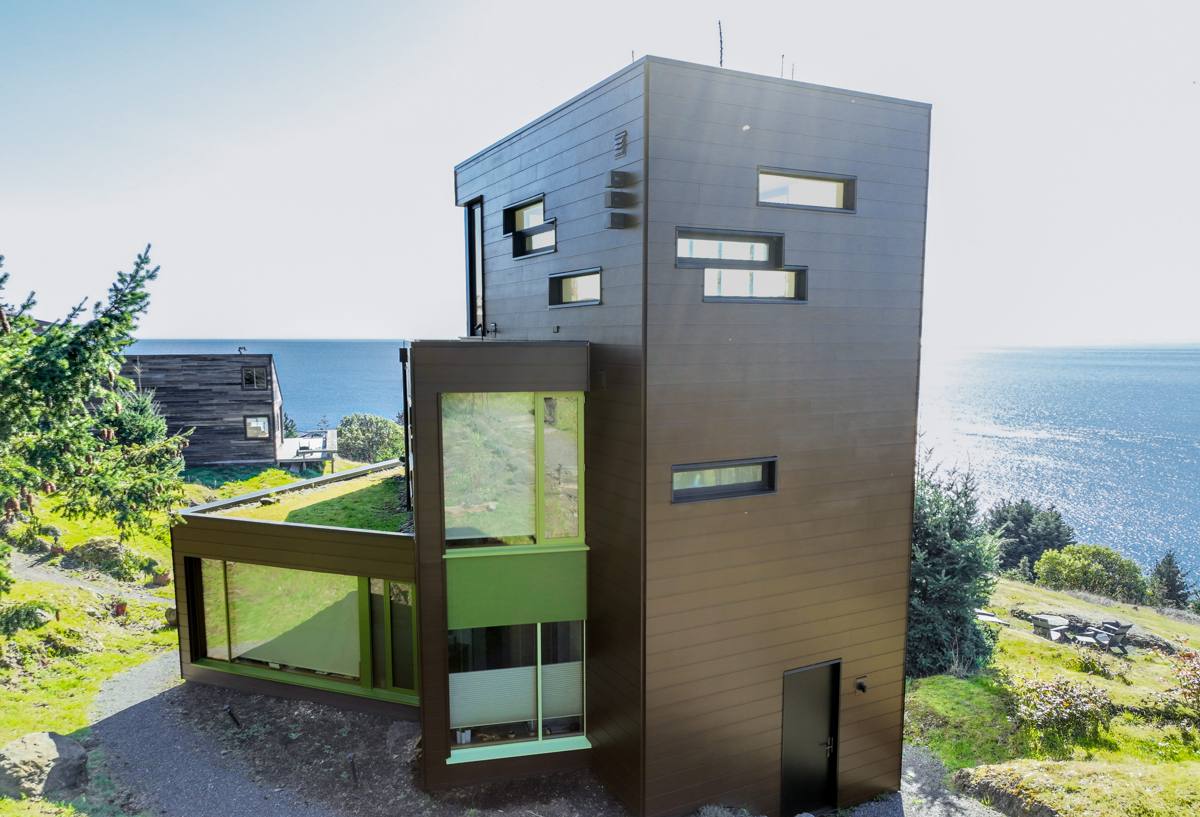
Homes near the water on North Whidbey and around Anacortes deal with a different set of pressures than houses fifty miles inland. Salt-laden air corrodes hardware and finishes faster than most manufacturers' warranties account for. Driving rain, pushed sideways by wind off the Salish Sea, finds gaps that would never leak in a calmer climate. And the long, damp moss season keeps trim, sills, and siding wet for months at a time, which is exactly the condition wood rot and mildew need to take hold.
Window installation in this environment isn't just about picking a good-looking unit and setting it in the rough opening. It's about choosing materials that hold up to salt exposure, detailing the flashing so wind-driven rain has nowhere to go but back outside, and installing with enough care that the window is still performing the same way in fifteen years as it did on day one.
Signs Your Windows Are Losing the Fight
Older or poorly installed windows tend to show the same handful of problems in this climate. If you're seeing any of these, it's worth having someone take a real look rather than just re-caulking and hoping.
- Fogging or a milky haze between panes (failed seal on an insulated glass unit)
- Cranks, locks, or hinges that feel gritty, stiff, or corroded
- Soft or discolored wood trim around the frame, inside or out
- Visible daylight or a draft you can feel with your hand along the frame edge
- Paint or finish that's bubbling or peeling faster on the weather-facing side of the house
- Condensation on the inside of the glass during cold, wet stretches
- A noticeable difference in comfort near the window compared to the rest of the room
Any one of these can be a minor fix. Several at once, especially on windows over 20 years old, usually means the unit and its installation have both reached the end of their useful life.
Choosing the Right Window for a Coastal Skagit-Area Home
Frame Material
Frame material matters more here than in a lot of the country, because of the combination of salt air and constant moisture. Vinyl and fiberglass frames don't corrode and don't need repainting, which is a real advantage on a house that already gets pounded by weather. Aluminum-clad wood units look great and perform well but the wood core is only as good as the seal protecting it — any breach in the cladding lets moisture in where you can't see it. Solid wood windows can be beautiful, but on an exposed, salt-air site they demand a level of ongoing maintenance most homeowners don't want to sign up for.
Glass Package
Double-pane with a Low-E coating and argon fill is the baseline we'd recommend for this area; triple-pane is worth discussing for west- and north-facing walls that take the brunt of the wind and rain. The glass package affects comfort as much as the frame does — a good glass package cuts down on the cold-radiating feeling you get standing near a window on a raw January day.
Hardware
Locks, cranks, and hinges should be rated for coastal or marine use where available. Standard hardware finishes can start showing corrosion within a few years this close to salt water; it's a small line-item difference in cost that pays off in how the window operates a decade from now.
| Frame Type | Salt Air Durability | Maintenance | Typical Cost Position |
|---|---|---|---|
| Vinyl | Excellent — won't corrode or rust | Low — occasional cleaning | Lower to mid |
| Fiberglass | Excellent — very stable in wet/dry cycling | Low | Mid to higher |
| Aluminum-clad wood | Good if cladding stays intact | Moderate — watch seams and joints | Higher |
| Solid wood | Fair — needs protection from direct weather | High — regular refinishing | Higher |
What a Correct Installation Actually Involves
The window itself is only part of the job. In a climate that gets driving rain off the water, the installation details are what actually keep a house dry.
Sill Pan and Flashing
Every opening should get a sloped sill pan so any water that gets past the window drains back outside instead of sitting on the framing. Flashing needs to integrate with the house's weather-resistive barrier in the correct shingle-lap order — done wrong, flashing can actually funnel water into the wall instead of away from it.
Sealant and Backer Rod
Exterior sealant has to be compatible with the window material and applied over proper backer rod, not just smeared over a gap. In a house that sees this much wind-driven rain, a sloppy bead of caulk is not a substitute for correct flashing — it's a stopgap that fails first.
Shimming and Fastening
A window that isn't shimmed level and square will operate poorly and stress the seals over time, which shows up later as air leaks or premature hardware wear. Fasteners go where the manufacturer specifies, not wherever is convenient.
Interior Insulation and Trim
The gap between the window frame and the rough opening gets filled with a low-expansion foam or backer material sized for the space — overfilling can actually bow the frame and cause the window to bind.
How We Approach a Window Installation Job
- On-site assessment of existing windows, framing, and any signs of moisture damage around the openings
- Discussion of frame material, glass package, and hardware options based on which wall faces the weather
- Careful removal of the old unit with inspection of the sheathing and framing underneath
- Repair of any rot or moisture damage found before the new window goes in — this step gets skipped by crews in a hurry, and it's the one that matters most
- Installation of the sill pan, flashing integrated with the house wrap, and the new window, shimmed and fastened per spec
- Exterior sealant and trim work, interior insulation and trim finish
- Final operation check on every window — locks, cranks, and smooth open/close — before we call the job done
Energy Performance and Everyday Comfort
New windows are usually sold on energy savings, and that's real, but in this climate the bigger day-to-day difference is comfort. A properly installed, well-rated window cuts down on the draft and cold-radiating feeling near the glass during the wet months, reduces condensation buildup on the inside of the pane, and takes pressure off the reducing the demand on your heating system during the long stretches of damp weather this area sees every year. U-factor (how well the window resists heat loss) and SHGC (how much solar heat it lets through) both matter, but which one to prioritize depends on which direction the window faces and how exposed it is.
Permits and Working Around an Occupied Home
Window replacement typically requires a permit, especially when it involves a change in size, egress requirements in a bedroom, or work on a structure with any historic designation. We handle that process as part of the job rather than leaving it for the homeowner to sort out. We also plan the work to keep openings covered and secure at the end of each day — with the rain this area gets, an opening left uncovered overnight isn't an option.
Why a Crew That Already Works Oak Harbor Matters
A window that's correctly installed in a dry inland climate can still fail here if the crew doesn't account for wind direction, salt exposure, and how much water this area actually sees compared to elsewhere. Crews that already work regularly in Oak Harbor and around Anacortes and the wider Skagit County coastline know which walls take the worst of the weather, which older homes tend to have hidden moisture issues around their original openings, and which materials hold up rather than just look good on install day. That local pattern recognition is hard to substitute for.
After the Install: Keeping Windows Performing
Coastal and marine-exposed windows benefit from a simple annual check — rinsing salt residue off frames and hardware, confirming weep holes aren't clogged with debris or moss, and checking that exterior sealant hasn't cracked or pulled away. None of this is complicated, but skipping it is how a good installation starts losing performance years before it should.
If your windows are showing their age, or you're planning ahead for a remodel, we're happy to take a look and give you a straightforward assessment of what's actually needed — no pressure, no upsell. Fill out the form below for a free estimate.