 Anacortes Roofing
 A Neighborhood With Its Own Weather Story
Old Town Anacortes sits close enough to the water that its homes live with conditions a lot of inland Skagit County properties never have to deal with. Salt-laden air moves through the neighborhood off the surrounding marine waters, driving rain comes in sideways during winter storms, and the shaded, tree-lined streets that give the area its character also give moss a long season to take hold. None of that is unusual for this part of Washington, but it does mean roofing here has to be approached with the local conditions in mind, not a generic checklist.
We work on homes throughout Anacortes and the surrounding area, and Old Town is one of those pockets where age, exposure, and climate combine in a way that rewards a contractor who actually understands what's happening to the roof over time, not just what it looks like from the ground.
What Salt Air Actually Does to a Roof
Coastal exposure doesn't just mean "near water is worse." Salt in the air accelerates corrosion on any exposed metal — flashing, fasteners, gutter hardware, vent caps — well before the roofing material itself shows its age. On older homes in particular, we routinely find flashing and fastener corrosion happening faster than the shingles or panels around them are wearing out. That's a maintenance issue as much as a materials one.
Where It Shows Up First
- Rust streaking below metal valleys, vent stacks, and chimney flashing
- Fastener heads backing out or staining as they corrode
- Gutter hangers and end caps failing before the gutters themselves
- Pitting on lower-grade metal accessories that weren't spec'd for coastal exposure
The fix isn't complicated — it's using corrosion-resistant flashing and fastener packages from the start, and inspecting metal components on a regular cycle rather than waiting for a leak to show up inside the house.
Driving Rain and the Water-Shedding Details That Matter
Anacortes gets its share of wind-driven winter storms, and driving rain tests a roof differently than a straight-down downpour does. Water gets pushed sideways and upward under laps, edges, and penetrations that would stay dry in calmer weather. This is where installation detail work — not the shingle or panel brand — determines whether a roof stays watertight for its full service life.
The Details We Pay Attention To
- Proper underlayment lapping and sealed seams, not just tacked-down coverage
- Ice-and-water shield at eaves, valleys, and penetrations where wind-driven rain concentrates
- Step flashing at every wall intersection, integrated correctly with the wall's water-resistive barrier
- Ridge and soffit ventilation that manages moisture without inviting wind-blown rain intrusion
A roof can be made from excellent materials and still leak in a wind-driven storm if these details are rushed. We treat them as the actual scope of the job, not an afterthought to the material install.
Moss: The Slow-Motion Problem
The tree cover and shaded exposures common in Old Town Anacortes create ideal conditions for moss and algae growth on roofing, especially on north-facing slopes and anywhere shingles stay damp longer between dry spells. Moss isn't just cosmetic. As it establishes itself, it lifts shingle edges, holds moisture against the roofing surface, and can work its way under laps over time — turning a surface issue into a moisture problem underneath.
| Moss Stage | What It Looks Like | What It's Doing |
|---|---|---|
| Early growth | Green-tinged streaking, mostly on shaded slopes | Surface only, holds slightly more moisture on the shingle surface |
| Established patches | Visible clumps, often near valleys and eaves | Lifting shingle tabs, trapping moisture underneath |
| Long-term colonization | Thick coverage, granule loss visible around it | Accelerated shingle wear, potential for underlayment exposure |
Routine moss treatment and gentle removal, done at the right time of year and with the right method, keeps this from progressing. Pressure-washing shingles is not something we recommend — it strips granules and shortens the roof's life faster than the moss itself would.
How We Approach Roofing Work in This Area
Because Old Town Anacortes homes span a range of ages and roof types, we don't walk in with a one-size answer. Every estimate starts with an actual look at the roof's condition, ventilation, and how the property is exposed to wind, rain, and shade — then we talk through what's actually needed versus what can wait.
Typical Scope of Work
- Full roof replacement with materials matched to coastal exposure
- Repair of isolated leaks, flashing failures, or storm damage
- Moss and debris treatment as part of a maintenance visit
- Ventilation assessment and correction where attic moisture is a factor
- Gutter and flashing upgrades to corrosion-resistant materials
Roofing Doesn't Stand Alone — The Rest of the Exterior Matters Too
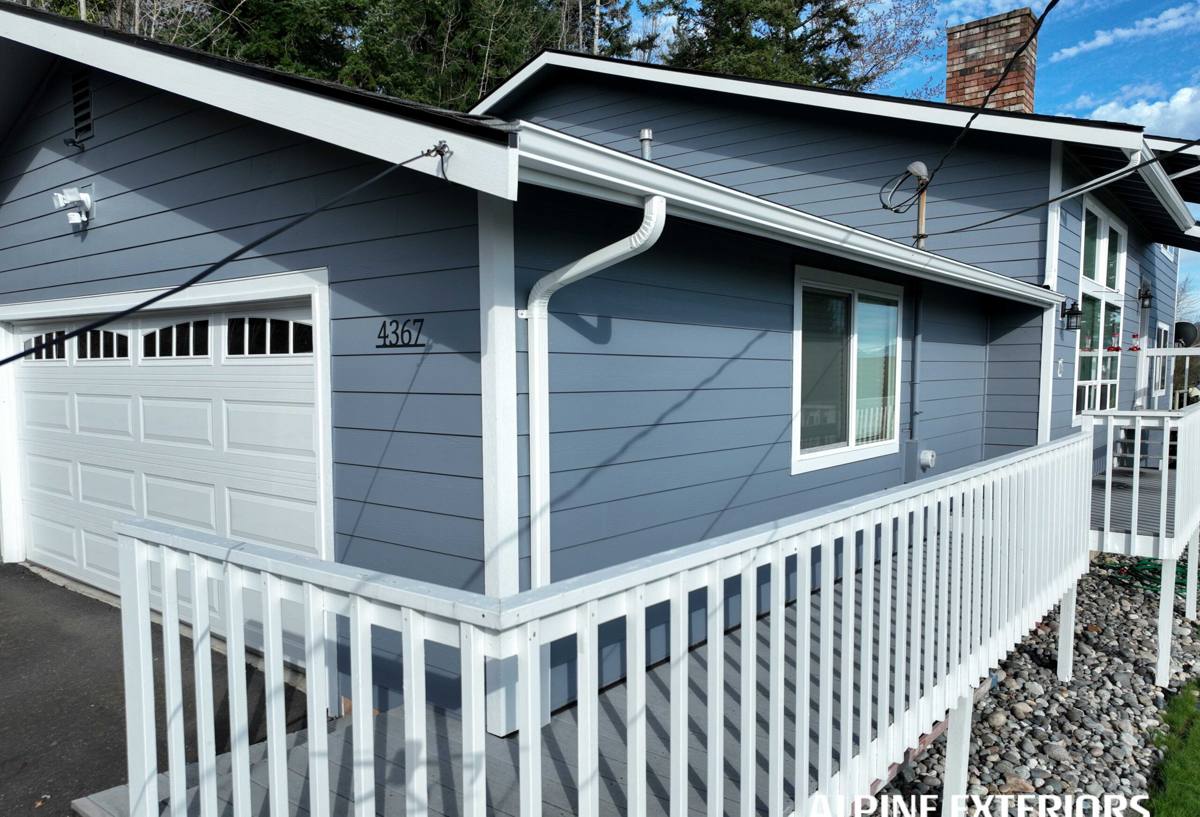
A roof doesn't fail in isolation. Water that gets past a roof edge or flashing detail often shows up first in siding, trim, or window flashing below it, and the same salt air and rain exposure that stresses a roof stresses the rest of the building envelope. We handle siding, roofing, windows, and decks as connected systems rather than separate trades, which matters most at the transitions — where a roofline meets a wall, where a deck ties into siding, where a window is flashed into the surrounding cladding. Those transition points are where most real-world leaks actually originate, and they're easy to miss if the person working on the roof isn't also thinking about how the wall below it sheds water.
Windows and Decks in a Coastal Climate
Window flashing that isn't integrated correctly with the wall assembly is one of the more common sources of hidden moisture intrusion we find in this climate, especially on older homes that have had one or two window replacements over the years without the flashing detail being redone properly. Decks facing prevailing weather take a similar beating — fastener corrosion, ledger board moisture, and UV/rain cycling on exposed structural members are all accelerated by the same coastal conditions that affect the roof above.
Cost Factors Homeowners Should Actually Weigh
Pricing on any roofing project depends on more than square footage. In a coastal, moss-prone neighborhood like Old Town Anacortes, a few factors move the number more than people expect:
| Factor | Why It Matters Here |
|---|---|
| Roof pitch and access | Steeper or harder-to-access roofs common on older homes add labor time and safety staging |
| Existing moss or moisture damage | Underlayment or decking replacement adds cost but prevents a repeat problem |
| Flashing and metal upgrades | Corrosion-resistant materials cost more upfront but reduce coastal maintenance long term |
| Number of layers to remove | Tear-off complexity varies widely on older Anacortes housing stock |
| Ventilation corrections | Fixing attic moisture issues at the same time avoids a second project later |
We don't give ballpark numbers without seeing the roof — pitch, access, layers, and existing damage swing the cost too much for a rule of thumb to be honest. What we can say is that spending a bit more upfront on the right flashing and underlayment package for this climate almost always costs less than repairing salt-air corrosion or moss-related damage a few years down the road.
Why a Local Crew Makes a Difference Here
A contractor who works across Skagit County day in and day out has already seen how a north-facing slope in a shaded Old Town lot behaves differently than a south-facing roof a mile away in open exposure. That's not something you get from a general specification sheet — it comes from doing the work in this specific climate, on this specific type of housing stock, repeatedly. It's also why we don't push products or systems that aren't a good fit for this exposure just because they're common elsewhere; a material that performs fine in a drier or inland climate can be the wrong choice for a home that sits in near-constant moisture and salt exposure.
What to Look for in Any Contractor You Hire Here
- Willingness to walk the roof and explain specific findings, not just quote a number
- A clear plan for flashing and fastener materials suited to coastal exposure
- Honest talk about moss treatment timing and methods that won't shorten shingle life
- Attention to transitions between roof, siding, windows, and decks — not just the roof deck itself
- Local references and a track record working in similar coastal Skagit County conditions
Maintenance That Actually Extends a Roof's Life Here
Most of what shortens a roof's life in this neighborhood is preventable with a regular maintenance rhythm rather than a bigger repair bill later. A simple annual or biannual check covers the parts of the roof that coastal exposure and moss stress the most.
- Clear debris and moss buildup from valleys and shaded slopes before it accumulates
- Inspect flashing and fasteners for early corrosion, especially near the coast-facing side of the home
- Check gutters and downspouts for proper flow — clogged gutters back water up under the roof edge
- Confirm attic ventilation is still functioning as intended, since blocked vents trap moisture that speeds up interior deterioration
- Address small flashing or sealant issues immediately, before a wind-driven storm turns them into a leak
If you're in Old Town Anacortes and want a straight answer about what your roof actually needs, we're happy to take a look. There's no pressure and no cost to get an estimate — just a clear read on where things stand and what your options are.