 Anacortes Roofing
 Why La Conner's Climate Is Hard on Windows
La Conner sits right on the Swinomish Channel, which means most homes in and around town deal with a steady mix of salt-laden air, wind-driven rain off the water, and long stretches of gray, damp weather that never really lets a house dry out. That combination is tough on windows in ways that homes further inland don't experience. Salt air accelerates corrosion on metal hardware, screws, and cheaper frame components. Driving rain finds every gap in old flashing and pushes water sideways into places it was never designed to go. And the extended moss season common across Skagit County keeps north-facing walls, sills, and trim damp for weeks at a time, which speeds up wood rot and encourages algae staining on anything that doesn't shed water well.
None of this means windows in La Conner need to be exotic or overbuilt. It means they need to be selected and installed with this specific climate in mind, not treated like a generic product swap. That's the difference between a window that performs for twenty-plus years and one that's fogging up or sticking within five.
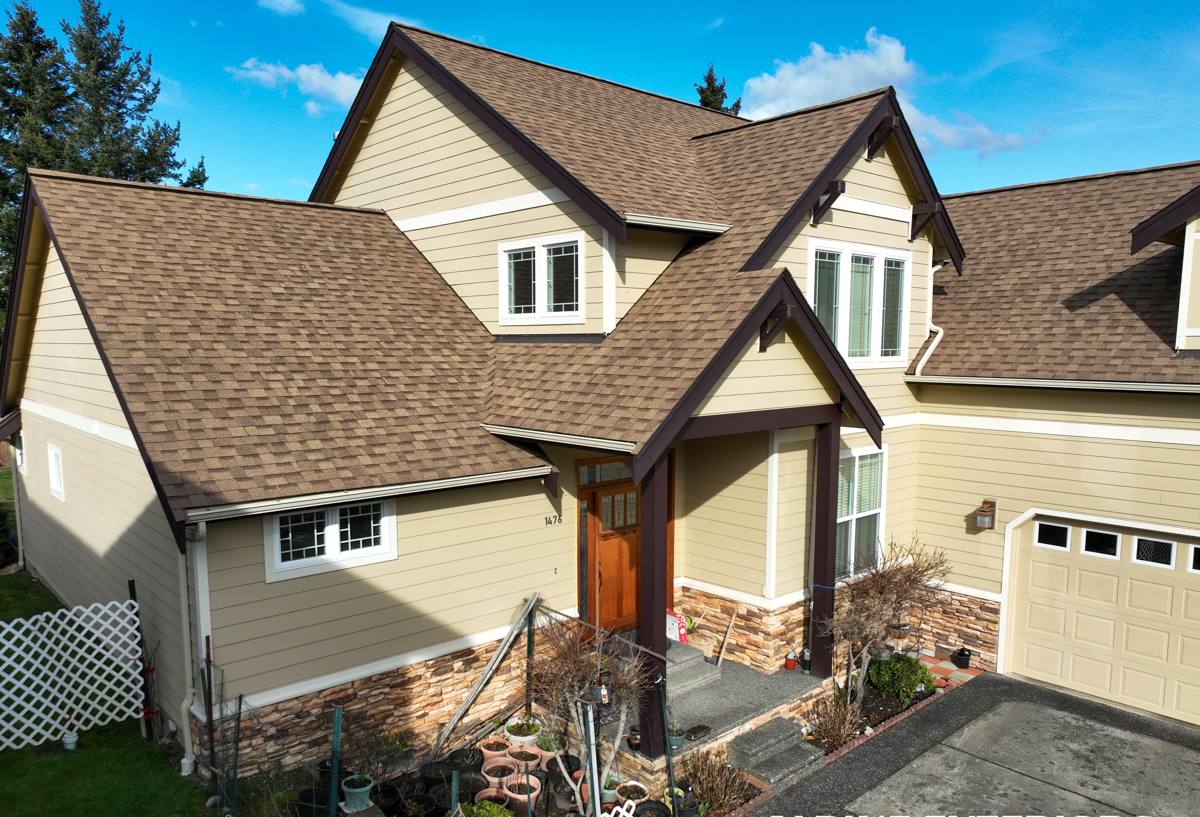
What "Energy-Efficient" Actually Means Here
Energy-efficient windows get marketed with a lot of numbers — U-factor, SHGC, ENERGY STAR ratings — but in a marine climate like ours, efficiency and moisture performance are tied together. A window that leaks air also tends to be a window that's vulnerable to water intrusion, and a poorly sealed unit will lose its efficiency rating fast once damp air starts working its way into the frame.
The Factors That Actually Matter for La Conner Homes
For our climate, we weigh a few things above the marketing gloss:
- Low U-factor for heat retention during our long, cool, wet winters
- Low-E glass coatings that reduce heat loss without darkening the room
- Argon or krypton gas fills between panes for added insulation
- Condensation resistance — critical here, since damp indoor air against a cold pane is a year-round issue
- Corrosion-resistant hardware on locks, hinges, and balances, given the salt air
- Warm-edge spacer systems that reduce seal failure over time in a climate that never fully dries out
A window can carry a great efficiency rating on paper and still underperform here if the installation doesn't back it up. We'll get into that below.
Frame Material: What Holds Up in Salt Air and Constant Damp
Frame material is one of the biggest decisions in a window project, and it matters more in a coastal, high-moisture town than almost anywhere else in Skagit County. Here's how the common options actually perform under La Conner conditions:
| Frame Material | Salt Air Performance | Moisture Behavior | Maintenance |
|---|---|---|---|
| Vinyl | Excellent — won't corrode or pit | Doesn't absorb water; stable in damp conditions | Low — occasional cleaning |
| Fiberglass | Excellent — very stable, minimal expansion/contraction | Highly resistant to moisture damage | Low |
| Wood / Wood-Clad | Fair — exterior cladding protects, but exposed wood is vulnerable | Needs a sound exterior seal to prevent rot at sills and joints | Higher — periodic sealing and inspection |
| Aluminum | Poor without marine-grade coatings — prone to pitting and corrosion | Conducts cold, encourages condensation | Moderate to high |
We're not telling anyone that wood or aluminum windows are bad products across the board — plenty of homes nationwide use them successfully. But for a property exposed to Swinomish Channel salt air and driving winter rain, we lean toward vinyl or fiberglass as our default recommendation because they hold up with far less long-term maintenance. Wood-clad remains a solid choice when homeowners want a specific interior wood look and are prepared for the upkeep it requires in a wet climate.
Common Window Problems We See Around La Conner
Failed Seals and Fogging
Double-pane windows rely on a sealed gas gap between panes. Once that seal fails — which happens faster in constant damp-cold cycling — moisture gets between the panes and you get permanent fogging that no amount of cleaning fixes. This is one of the most common calls we get on older installations in the area.
Sill and Frame Rot
Wood sills and frame components on north- or water-facing walls hold moisture longer here than on drier, sun-exposed sides of a house. Combined with moss and algae growth during the wet months, this softens wood and eventually leads to structural rot around the window opening if it's not caught early.
Corroded Hardware
Locks, cranks, and balance mechanisms — especially lower-cost aluminum or unprotected steel components — pit and seize up faster this close to salt water. It's a slow problem that homeowners often don't notice until a window won't latch properly.
Drafts and Rising Energy Bills
As seals, weatherstripping, and old single-pane glass age, homes lose heat steadily through the window openings. In a climate where the heat is running more months than not, that adds up on utility bills year after year.
What a Correct Window Installation Involves
The window unit itself is only part of the job. In a high-moisture coastal environment, the installation details matter as much as the product — sometimes more.
Proper Flashing and Water Management
Every opening needs flashing that directs water down and out, never trapping it behind siding or sill material. With driving rain coming off the water, a shortcut here is exactly what causes hidden rot years down the line.
Air Sealing and Insulation
Gaps around the frame need to be properly insulated and sealed — not just caulked on the surface — so the window performs at its rated efficiency and doesn't become a cold spot that invites condensation.
Correct Shimming and Squaring
A window installed out of square won't operate smoothly and will develop uneven gaps that let in drafts and water over time. This is a detail that's easy to rush and hard to fix later without pulling the unit back out.
Sill Pan Protection
A sill pan under the window opening gives any water that does get past the primary seal a way to drain back out instead of soaking into the framing — a low-cost step that prevents a high-cost repair.
Our Process for La Conner Window Projects
We keep the process straightforward and honest, without pressure to upsize the scope of work beyond what your home actually needs.
- On-site assessment — we look at existing window condition, frame material, sill and flashing condition, and how exposed each elevation is to wind and rain
- Honest recommendation — we'll tell you which windows genuinely need replacement now versus which can wait, and why
- Product and material selection — matched to your home's exposure, budget, and efficiency goals
- Installation — including proper flashing, sill pan protection, air sealing, and squaring, not just dropping in a new unit
- Cleanup and walkthrough — we go over operation, care, and warranty coverage before we consider the job done
Why a Crew That Already Works in La Conner Makes a Difference
Window replacement in a coastal Skagit County town isn't quite the same job as it is twenty miles inland. A crew that regularly works around La Conner and the greater Anacortes area already understands how wind-driven rain behaves against waterfront-facing walls, which hardware finishes actually hold up against salt air over time, and how to work efficiently around the narrow streets and older lot layouts common in town. That familiarity shows up in fewer surprises during the job and fewer callbacks after it.
It also matters for matching the character of older homes. Many houses in and around La Conner have real architectural character, and a window swap that ignores sightlines, trim proportions, or exterior detailing can hurt curb appeal even when the product itself performs fine. We pay attention to that, not just the energy numbers.
What Affects the Cost of a Window Project
Every home is different, so we don't quote sight unseen — but these are the main factors that move the price up or down on most projects:
- Number of windows being replaced and their size
- Frame material chosen (vinyl and fiberglass generally cost less long-term than wood-clad)
- Glass package — standard double-pane vs. upgraded Low-E coatings, gas fills, or triple-pane
- Condition of the existing opening — sound framing installs faster than an opening with rot to address first
- Access and elevation — second-story or hard-to-reach windows take more labor
- Whether trim, siding, or interior finish work is needed to complete the job cleanly
Straightforward vinyl replacement windows for an average home typically fall in a broad mid-range per-unit cost before labor and site-specific factors, while upgraded glass packages, larger openings, or wood-clad options push costs higher. We'll walk through real numbers for your specific home during an on-site estimate rather than guessing over the phone.
Keeping Your New Windows Performing in This Climate
Even a well-installed, high-quality window benefits from a little seasonal attention in a place like La Conner:
- Rinse salt residue and grime off exterior glass and frames periodically, especially on water-facing sides
- Check and clear weep holes so water can drain out rather than pool in the frame
- Inspect exterior caulking annually and touch up any cracked or separated sections before winter rains set in
- Keep gutters and downspouts clear so runoff isn't sheeting directly across window openings
- Watch for moss or algae buildup on sills and trim during the wet months and clean it off before it holds moisture against the surface
- Test locks and operating hardware once or twice a year to catch early stiffness before it becomes seizing or corrosion
If something's not gliding smoothly or a seal looks compromised, catching it early is a lot cheaper than dealing with hidden water damage later.
If your La Conner home has drafty, foggy, or aging windows — or you're planning ahead for a remodel — we're happy to walk the property, take an honest look at what's going on, and put together a free, no-pressure estimate. Use the form below to get started.