 Anacortes Roofing
 Oak Harbor's Siding Has to Work Harder Than It Looks
Oak Harbor sits out on Whidbey Island, exposed to Puget Sound on multiple sides, and that exposure shapes what a house needs from its exterior. Homes here take on salt-laden air off the water, wind-driven rain that hits siding sideways instead of straight down, and long stretches of grey, damp weather that keep north- and west-facing walls wet for days at a time. Add in the moss and algae growth that thrives in that dampness, and you've got a climate that's genuinely tough on building materials — tougher than a lot of siding products were designed to handle.
We're based in Anacortes, just across the water in Skagit County, and we've been doing siding work on this stretch of the Sound long enough to know that what works on a dry-side Washington home doesn't always hold up out here. Oak Harbor homes need a siding system that resists moisture intrusion, won't feed mold and algae, and can take a beating from salt air without degrading. That's a narrower set of products than most homeowners realize.
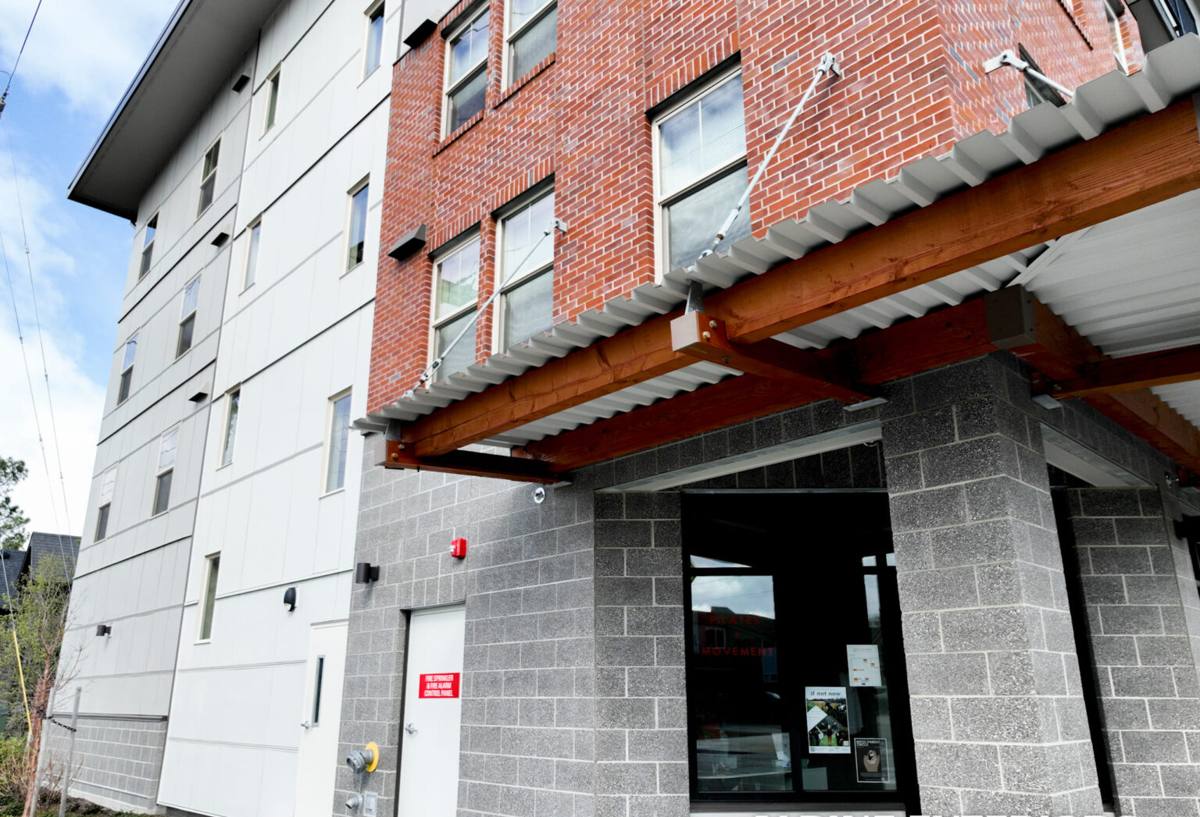
Why We Install Only James Hardie Fiber Cement
We made a deliberate decision as a company to install James Hardie fiber cement siding exclusively. We don't install vinyl, LP SmartSide, Cemplank, Allura, primed spruce, or cedar. That's not a marketing angle — it's because after years of doing exterior work in this climate, Hardie is the product we trust to actually perform in salt air and constant moisture without turning into a maintenance headache for the homeowner five or ten years down the road.
Fiber cement is made from cement, sand, and cellulose fibers, which means it doesn't rot, doesn't feed insects, and doesn't absorb water the way wood-based products can. It's also non-combustible, which matters more each year as wildfire smoke and ember exposure become a bigger part of Pacific Northwest summers. James Hardie backs its siding with a factory-applied ColorPlus finish and a strong transferable warranty, both of which matter a great deal in a climate that's hard on paint and hard on seams.
What This Means for a Salt-Air Coastal Home
In a marine environment like Oak Harbor's, the biggest long-term threats to siding are moisture getting behind the panels, coatings breaking down under constant damp-dry cycling, and organic growth taking hold in shaded, wind-sheltered areas. Fiber cement handles all three better than wood-based or vinyl alternatives, but only if it's installed correctly — which is where a lot of siding jobs, on any brand of product, go wrong.
What a Correct Hardie Installation Actually Involves
Fiber cement siding is only as good as the installation behind it. A rushed or under-detailed job can fail in this climate even with the right product on the wall. Here's what we consider non-negotiable on every Oak Harbor project:
- A drainage plane behind the siding. A code-compliant weather-resistive barrier and a rainscreen gap let any moisture that does get past the siding drain and dry out, instead of sitting against the wall sheathing.
- Correct fastening for a high-wind, moisture-exposed zone. Nail placement, spacing, and depth all affect how well panels resist wind uplift and how well they seal against water intrusion at the fastener.
- Proper flashing at every penetration. Windows, doors, hose bibs, light fixtures, and roof-to-wall transitions are where water actually gets in. Flashing details here matter more than the siding material itself.
- Factory-cut and factory-primed edges wherever possible. Field cuts expose raw fiber cement; any cut edge needs to be sealed and painted to match the ColorPlus finish, or it becomes a weak point.
- Correct joint and gap spacing. Fiber cement expands and contracts with temperature and moisture. Butting panels too tight causes buckling; leaving gaps too wide invites water and looks sloppy.
- Caulking only where Hardie's install guide calls for it. Over-caulking traps moisture behind the panel instead of letting it drain, which is a common mistake we see on older re-siding jobs out here.
Choosing the Right Hardie Product Line for This Climate
James Hardie engineers its siding differently depending on regional climate, and that distinction matters directly for Oak Harbor. Hardie's HZ10 formulation is built for climates with warmer, wetter winters — like ours — with a moisture and mildew resistance profile suited to that kind of exposure. HZ5 is formulated for regions with harder winter freeze-thaw cycles, which isn't the primary concern on Whidbey Island. Getting this right isn't cosmetic; it affects how the product performs over decades.
Lap Siding, Panel Siding, and Trim
Most Oak Harbor homes we work on use HardiePlank lap siding for the main wall surfaces, sometimes paired with HardiePanel vertical siding as an accent on gables or entry features, and HardieTrim boards around windows, corners, and fascia to keep the whole system consistent in material and finish. Matching trim material to the siding material — rather than mixing in cheaper wood trim — closes off one of the most common places moisture gets in.
Our Process, Start to Finish
- On-site assessment. We walk the exterior, check for hidden moisture damage behind existing siding, and look at wind and rain exposure on each elevation of the house.
- Written estimate. You get a clear scope of work and pricing before anything is scheduled — no surprise change orders for things we should have caught up front.
- Prep and tear-off. Old siding comes off, sheathing is inspected and repaired as needed, and any rot or moisture damage is addressed before a single new panel goes up.
- Weather barrier and rainscreen installation. This step is where a lot of the siding's real-world performance is decided, long before it's visible from the curb.
- Hardie installation. Panels, trim, and flashing go in to manufacturer spec, with attention to fastening and joint detail for a marine climate.
- Final finish and walkthrough. We check caulk lines, touch-up paint on any field cuts, and walk the job with you before calling it done.
What Drives the Cost of a Siding Job in Oak Harbor
Every home is different, and we won't quote a number without seeing the house, but these are the factors that typically move the price up or down:
| Cost Factor | Why It Matters |
|---|---|
| Home size and wall complexity | More square footage, more corners, dormers, and gables all add labor and cutting time. |
| Condition of the sheathing underneath | Hidden rot or moisture damage found during tear-off has to be repaired before new siding goes on. |
| Existing siding removal | Some materials come off cleanly; others (especially old stucco or multiple layers) take longer. |
| Product selection | Lap siding alone costs less than a mix of lap, panel accents, and trim upgrades. |
| Window and trim detailing | Homes with more window openings and architectural trim require more flashing and cutting work. |
| Access and site conditions | Steep lots, tight setbacks, or difficult ladder access add time to any exterior job. |
Why It Matters That Your Crew Already Works This Area
Siding installation isn't just a product spec — it's a set of judgment calls made on-site, and those calls are better when the crew has actually worked the conditions before. A crew that's installed siding across Anacortes and out to Whidbey Island knows what wind-driven rain does to a west-facing wall on this part of the Sound, knows which details tend to fail first in salt air, and doesn't have to relearn those lessons on your house. That familiarity shows up in flashing choices, fastener selection, and where extra attention to sealing gets spent.
It also matters for the practical side of the job — scheduling around ferry and bridge traffic, understanding local permitting expectations, and being a crew you can actually reach if a question comes up after the job is done. We treat Oak Harbor as part of our regular service area, not a one-off trip.
Questions Worth Asking Any Siding Contractor
- Are you a licensed, bonded, and insured contractor in Washington State?
- Will you show me a written scope of work before I sign anything?
- Who is actually on the crew doing the install — subcontracted labor or your own team?
- What's your plan for the weather barrier and rainscreen, not just the visible siding?
- What does the manufacturer's warranty cover, and what's excluded if installation isn't to spec?
- Have you worked on homes in this specific area before, and can you speak to its climate conditions?
Keeping Your Siding Performing Long-Term
One advantage of fiber cement in this climate is how little ongoing maintenance it actually needs compared to wood-based siding — but "little" isn't "none." A rinse-down once or twice a year to clear off salt residue and moss spores, keeping gutters clear so water isn't sheeting down the wall, and trimming back vegetation that shades and dampens a wall all go a long way toward protecting the investment. If you ever notice caulk cracking, a panel that's come loose, or paint that's peeling rather than just fading, those are worth a call sooner rather than later — small gaps are cheap to fix and expensive to ignore in a wet climate.
If you're weighing a siding replacement on an Oak Harbor home and want a straight answer about what it needs and what it'll cost, we're glad to come take a look. The estimate is free, there's no pressure, and you'll get a clear scope before any work is scheduled — just fill out the form below.