 Anacortes Roofing
 Roof Repair Built for Oak Harbor's Coastal Climate
Homes in and around Oak Harbor take a different kind of beating than roofs further inland. Sitting near the water means constant exposure to salt-laden air, wind-driven rain that finds its way under loose shingles and flashing, and a moss season that can stretch for most of the year in shaded, north-facing sections of a roof. None of that is exotic — it's just what a marine climate does to a roof over time — but it does mean repairs here need to account for conditions that a roofer working inland might not think twice about.
We work throughout Skagit County and the surrounding Puget Sound region, and Oak Harbor's roofs show a consistent pattern: fastener corrosion happens faster near the coast, moss and moisture problems show up in the same shaded valleys and north slopes year after year, and small leaks left alone tend to travel along decking and framing before they ever show up as a stain on a ceiling. A repair that doesn't account for that pattern is a repair that comes back.
What Salt Air, Rain, and Moss Actually Do to a Roof
Salt Air and Fastener Corrosion
Airborne salt accelerates corrosion on exposed metal — nail heads, flashing, gutter fasteners, and any exposed screws on a metal roof. Once a fastener starts to rust, it loses its grip on the material around it, which is how a small leak starts even on a roof that isn't particularly old. This is worse the closer a home sits to open water, but it affects the wider area to some degree.
Driving Rain and Wind-Driven Water
Storms off the water don't just drop rain straight down — wind pushes it sideways and up under laps, seams, and flashing edges that would shed a calmer rain just fine. Roof edges, valleys, and anywhere two roof planes or a roof and a wall meet are the most common places we find water intrusion that started this way.
Moss and Trapped Moisture
Shaded roof sections, especially those facing north or sitting under tree cover, stay damp longer after every rain. That moisture is exactly what moss needs to establish itself, and once it does, it lifts shingle edges, holds water against the roofing material, and speeds up granule loss and wood rot underneath. A roof can look mostly fine from the ground while moss is quietly doing damage underneath the surface.
Signs an Oak Harbor Roof Needs Repair
- Water stains on ceilings or upper interior walls, especially after a windy storm
- Missing, cracked, or curling shingles, particularly on the side of the roof that faces prevailing weather
- Visible moss or dark streaking concentrated on shaded or north-facing slopes
- Rust staining below metal flashing, vents, or exposed fasteners
- Granules collecting in gutters or at downspout outlets
- Soft or spongy spots when walking the roof, which usually means decking underneath has taken on moisture
- Daylight visible through the roof deck from inside an attic space
- Gutters or flashing pulling away from the roofline
Any one of these on its own might be minor. Several at once, or any of them showing up repeatedly in the same spot, usually means there's an underlying cause that a patch alone won't fix.
How We Approach a Repair Call in Oak Harbor
Inspection First, Not a Guess
We start by getting on the roof, not just looking at it from the driveway. That means checking the suspected problem area, but also the areas around it — flashing, valleys, vent boots, and any shaded sections prone to moss — because water rarely stays exactly where it enters. We also check the attic or interior side where accessible, since staining patterns there often tell us more about the true path of a leak than what's visible from outside.
Finding the Actual Source
Roof leaks are notorious for showing up in a different spot than where the water actually gets in. Water can travel along the underside of decking or down a rafter before dripping somewhere else entirely. We trace it back rather than patching the visible symptom, because a repair aimed at the wrong spot fails — sometimes not right away, but eventually.
Repairing to Match What's There
We repair using materials and techniques consistent with the rest of the roof system, so the fix blends in structurally and doesn't create a mismatched patch that ages or performs differently than the surrounding roofing. Where corrosion-prone fasteners or flashing are part of the problem, we address those directly rather than leaving the same weak point to fail again in a year or two.
Cleanup and a Clear Explanation
Once the repair is done, we clean up debris and old material, and we walk through what we found and what we did in plain terms — not a sales pitch for a full replacement unless the roof actually needs one.
Repair or Replace? An Honest Look at the Factors
Not every roof problem calls for a full replacement, and not every leak is fixable with a simple patch. The right call depends on the roof's age, how widespread the damage is, and what's happening underneath the surface layer.
| Factor | Usually Points to Repair | Usually Points to Replacement |
|---|---|---|
| Age of roofing material | Roof is within its expected service life | Roof is near or past its expected lifespan |
| Extent of damage | Localized — one section, valley, or penetration | Widespread across multiple slopes |
| Decking condition | Solid, no soft spots found | Soft, rotted, or delaminated in multiple areas |
| Moss/moisture history | First occurrence, caught early | Recurring problem with granule loss and lifted shingles across the roof |
| Flashing and fasteners | Isolated corrosion or failure | Widespread corrosion affecting multiple flashing points |
When a roof is genuinely in the "repair" column, we say so — a repair that solves the actual problem is often the more sensible choice, both for cost and for not disturbing roofing that's still doing its job.
Flashing, Vents, and Valleys — Where Most Coastal Leaks Start
In our experience working this region, the roofing field itself — the shingles or panels across the main slopes — is rarely where a leak actually originates. It's almost always at a transition point: where a chimney, skylight, or vent pipe penetrates the roof, where two roof planes meet in a valley, or where the roof meets a wall or dormer. These spots rely on flashing rather than the roofing material itself to shed water, and flashing is exactly what salt air and driving rain attack hardest. A repair visit is a good opportunity to check these points even if they're not the reported problem area, since a second failure point developing quietly nearby is common in this climate.
Gutters and Drainage Matter More Here Than People Expect
A roof that's shedding water correctly can still develop problems if gutters are clogged, undersized, or pulling away from the fascia. Water backing up at the roof edge during a heavy Puget Sound storm can work its way up under the first course of shingles. When we're on-site for a repair, we check gutter attachment and drainage as part of the visit, since it's often connected to the problem that brought us out.
Moss Treatment as Part of a Repair Visit
Because moss is such a persistent issue on shaded roofs in this area, we treat it as part of a proper repair rather than a separate afterthought. That generally means careful removal without damaging the roofing surface underneath, addressing the moisture conditions that let it take hold where practical, and advising on realistic maintenance intervals for the roof's specific exposure. Aggressive pressure washing or scraping can do more harm than the moss itself, so how it's removed matters as much as whether it's removed.
Materials We Work With
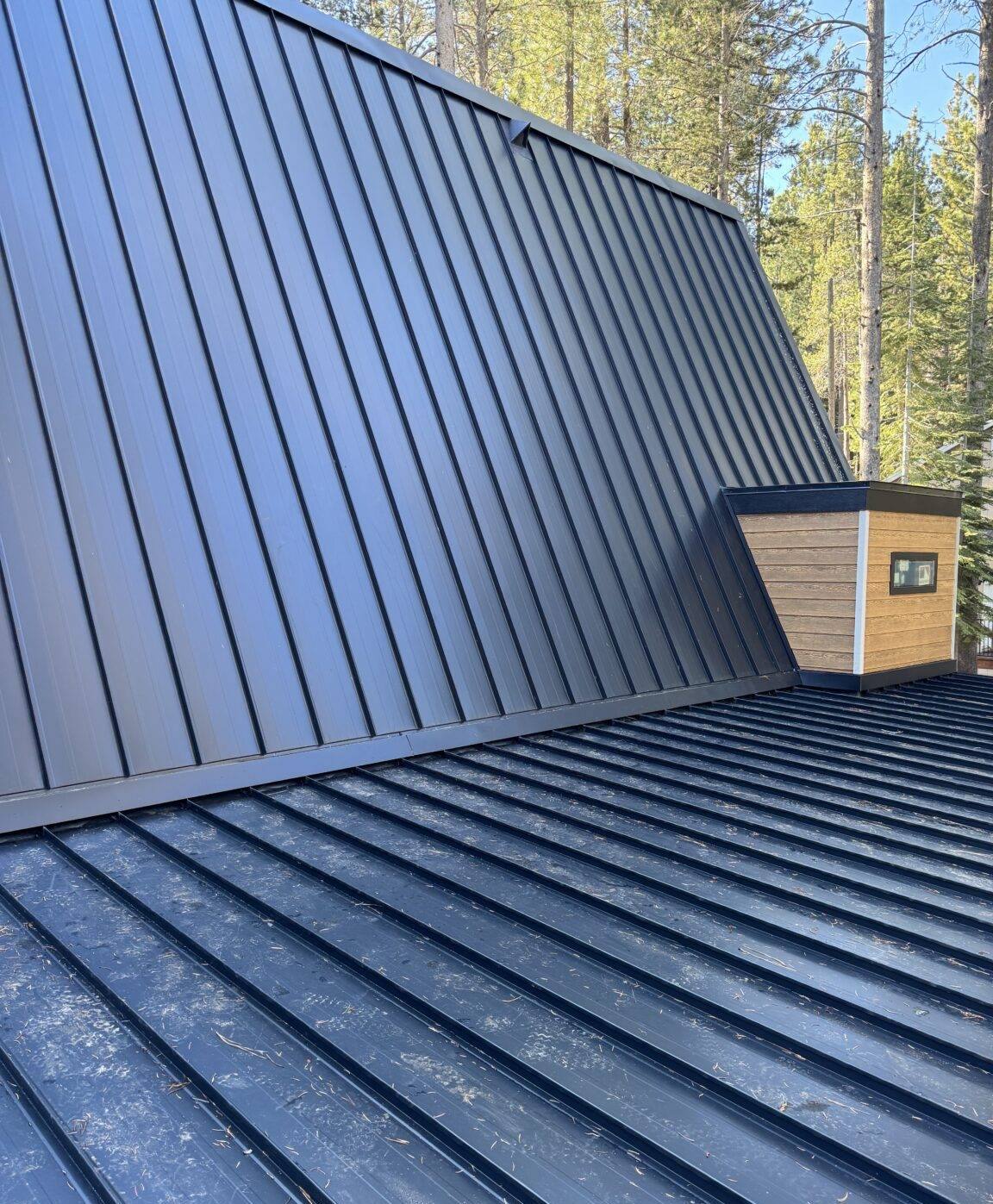
Most Oak Harbor-area homes are roofed in asphalt composition shingles, with a smaller number of metal and cedar roofs. Composition shingles remain a solid, cost-effective choice for this climate when properly installed and maintained, particularly with attention to flashing quality and ventilation. Metal roofing performs well against wind-driven rain but requires attention to fastener material and coating in a salt-air environment to avoid the corrosion issues discussed earlier. For any material, we match repair components to the existing roof system rather than mixing incompatible products, since inconsistent materials can behave differently under moisture and temperature changes and create new failure points.
Why Local Experience Matters for This Kind of Repair
A roofer who only occasionally works this area might treat an Oak Harbor leak the same way they'd treat one on a dry inland roof — patch what's visible and move on. Crews who work this region regularly recognize the patterns: which roof orientations collect moss first, where salt-air corrosion tends to concentrate, and how wind-driven rain from Puget Sound storms finds its way into roofs that would otherwise handle a calmer rain just fine. That familiarity means fewer repeat visits and a repair that's built for the conditions the roof will actually face, not just the conditions of the day we're on-site.
Get a Free, No-Pressure Estimate
If you're dealing with a leak, moss buildup, or storm damage on an Oak Harbor-area roof, we're happy to take a look, explain what we find in plain terms, and give you an honest read on whether repair or replacement makes sense. Use the form below to request a free estimate — no pressure, no upsell, just a straight assessment from a crew that knows this coastline.