 Anacortes Roofing
 Roofing Oak Harbor Homes in a Marine Environment
Oak Harbor sits close enough to open water that its roofs live a different life than roofs twenty miles inland. Homes here take on salt-laden air off the Strait, long stretches of wind-driven rain through the fall and winter, and a moss season that can run most of the year on shaded, north-facing slopes. A roof that would hold up fine in a dry inland climate can fail early here if it wasn't built with these conditions in mind from the start.
We're based in Anacortes, just across Deception Pass, and we've worked on homes throughout this stretch of the Salish Sea coastline for years. We know which roof details matter most when a house sits this close to salt water and gets this much sustained moisture — and which shortcuts show up as leaks, rot, and premature failure a few years down the road.
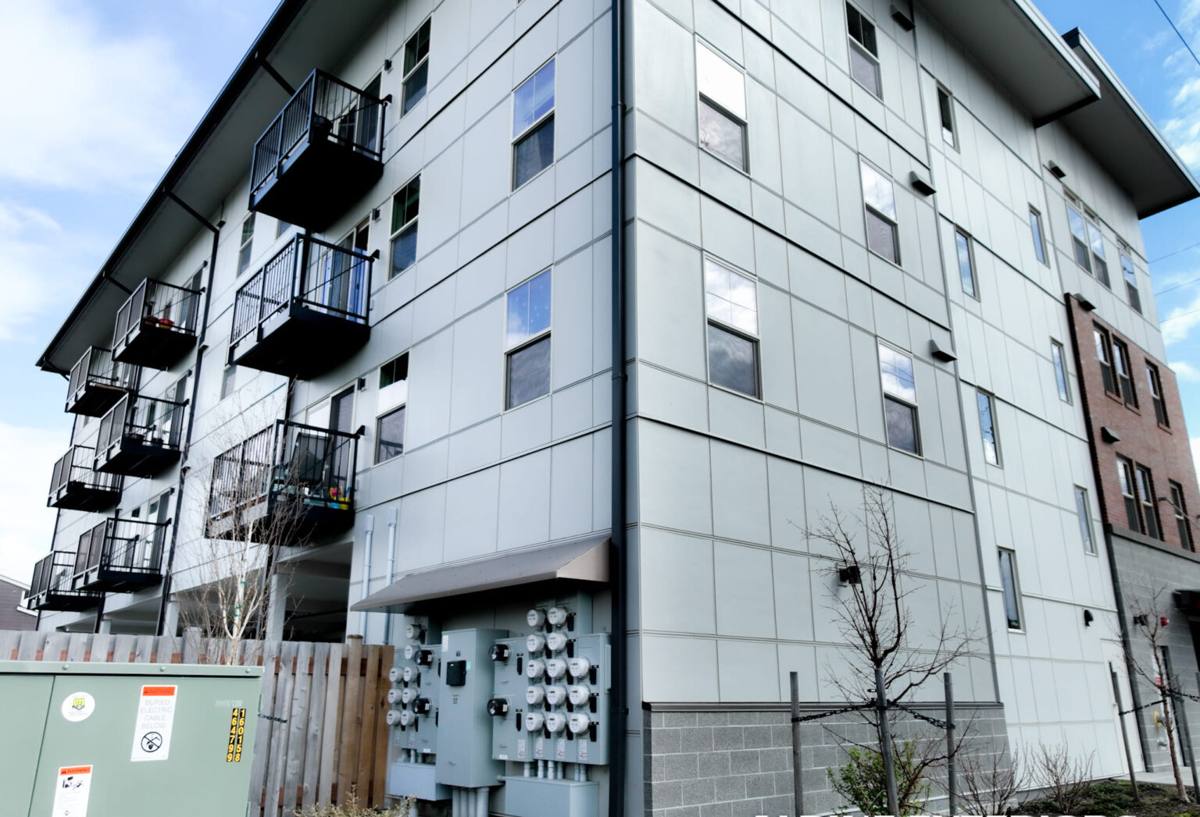
What Salt Air, Rain, and Moss Actually Do to a Roof
These three conditions don't just make a roof look worse over time — they attack it in specific, predictable ways:
- Salt air accelerates corrosion on exposed metal — fasteners, flashing, drip edge, and vent caps — especially on roofs facing prevailing wind off the water. Lower-grade or uncoated metal components corrode faster here than they would even a few miles inland.
- Wind-driven rain doesn't just fall straight down — it gets pushed sideways and upward under shingle tabs, around chimneys, and into valleys. A roof system built for calmer weather can leak at these points even when the shingles themselves are in decent shape.
- Moss and algae thrive on shaded, moisture-retaining surfaces. As moss mats build up, they hold water against the roofing material, lift shingle edges, and slowly work their way under the surface — turning a cosmetic issue into a moisture problem.
Any one of these on its own is manageable. Together, over years, they're why roofs in this area often need attention sooner than the manufacturer's rated lifespan would suggest — particularly if the original installation didn't account for them.
When You Need a New Roof Instead of a Repair
Not every roofing problem calls for full replacement. But there's a point where patching stops making sense — either because the underlying materials are too far gone, or because the cost of repeated repairs starts to rival the cost of doing it right once. Signs it's time to talk replacement rather than repair include:
- Granule loss heavy enough that you can see bare or shiny patches on the shingles
- Multiple leak points, or leaks that keep reappearing in different spots after repair
- Shingles that are curling, cracking, or missing across large sections rather than isolated areas
- Moss coverage thick enough that it's lifting shingles rather than just sitting on the surface
- Soft or spongy spots in the decking, or visible sagging along the roofline
- A roof that's at or past its expected service life and hasn't had major work done
If your roof shows one or two of these signs in isolated spots, a targeted repair may still be the right call. If several show up together, or the roof is old enough that repairs are just delaying an inevitable replacement, we'll tell you that plainly during the inspection — not talk you into a full tear-off you don't need yet.
What a Correct New Roof Installation Involves
A new roof is more than shingles nailed to plywood. In a climate like this one, the layers underneath the visible surface do a lot of the actual work of keeping water out.
Tear-Off and Deck Inspection
We remove the old roofing down to the deck rather than layering over it. This lets us actually see the condition of the sheathing — soft, delaminated, or water-stained decking gets replaced before anything new goes down. Roofing over hidden deck damage just buries the problem.
Underlayment and Ice/Water Protection
A synthetic underlayment goes down as the primary water-resistant barrier, with self-adhering ice-and-water membrane at vulnerable points — eaves, valleys, and roof penetrations — where wind-driven rain is most likely to find a way in.
Flashing
Flashing around chimneys, skylights, sidewalls, and roof-to-wall transitions is where most roof leaks actually start, not in the field of the shingles themselves. We use corrosion-resistant flashing materials and proper step-and-counter-flashing detail rather than relying on caulk or sealant to do a metal component's job.
Ventilation
Balanced intake and exhaust ventilation keeps moisture from building up in the attic, which matters as much for roof longevity as anything happening on the outside. Poor ventilation traps humidity, which can rot decking and shorten shingle life from underneath — a slower, less visible version of the same damage the weather causes from above.
Final Details
Drip edge, starter strips, ridge caps, and fastener placement all matter more than they get credit for. These are the details that separate a roof that sheds wind-driven rain cleanly from one that lets water creep in at the edges over time.
Roofing Material Options for Coastal Homes
Most Oak Harbor homes are well served by a few proven material categories. The right choice depends on your budget, your roof's exposure, and how much long-term maintenance you're willing to take on.
| Material | How It Handles This Climate | Maintenance Considerations |
|---|---|---|
| Architectural asphalt shingles | Solid performance when installed with proper underlayment and flashing; widely used and cost-effective | Periodic moss treatment on shaded slopes; standard shingle lifespan |
| Metal roofing | Sheds wind-driven rain well and resists moss buildup better than shingles; needs corrosion-resistant fasteners and coatings near salt air | Low ongoing maintenance once installed correctly with the right hardware |
| Synthetic/composite shingles | Good moisture and impact resistance; performs well in wet, mixed-weather conditions | Generally low-maintenance; product-specific warranty terms apply |
We don't push one material as a one-size-fits-all answer. Each of these can be the right call depending on the roof — what matters more than the brand name is that the underlayment, flashing, ventilation, and fastener hardware are all matched to the environment, not just the shingle itself.
Our New Roof Installation Process
- On-site inspection and estimate. We look at the current roof, the deck condition where accessible, ventilation, and any problem areas before quoting anything.
- Material selection. We walk through options based on your budget, the roof's exposure to weather and salt air, and how the house is used.
- Scheduling around weather. Tear-offs are timed to avoid leaving a house exposed during an incoming rain system — a real planning factor in a climate that sees rain most of the year.
- Tear-off and deck repair. Old roofing comes off, the deck gets inspected, and any damaged sheathing is replaced before new materials go down.
- Installation. Underlayment, ice-and-water membrane, flashing, ventilation components, and the roofing material go on in that order, following manufacturer specifications.
- Site cleanup and final walkthrough. We clear debris and nails from the property and walk the finished roof with you before calling the job done.
What a New Roof Costs — and What Drives the Price
Every roof is different, and we'd rather give you an honest range and an on-site estimate than a number that doesn't hold up once we're actually on your roof. Broadly, a full replacement on a typical home runs from the high four figures for a straightforward asphalt roof up into five figures for metal or a larger, more complex roofline. The main factors that move the price:
| Factor | Why It Matters |
|---|---|
| Roof size and complexity | More valleys, dormers, and roof planes mean more flashing detail and labor time |
| Material choice | Asphalt, metal, and synthetic options carry different material and installation costs |
| Deck condition | Rotted or soft sheathing found during tear-off adds material and labor to replace it |
| Accessibility | Steep pitches or difficult access can add time and safety equipment needs |
| Tear-off scope | Removing multiple existing layers takes more time than a single-layer tear-off |
We give firm, written estimates after an on-site look — not ballpark numbers over the phone that change once we start pulling shingles.
Why a Crew That Already Works This Area Matters
A roofing crew that regularly works Anacortes and the surrounding communities knows this coastal environment firsthand — not from a general checklist, but from having installed and repaired roofs that face the same wind exposure, the same salt air, and the same moss patterns your home deals with. That translates into decisions on the job: which flashing detail to use at a given wall intersection, where ice-and-water membrane earns its keep, which fastener hardware actually holds up near open water.
It also means we're a known, findable local business if a warranty question or a storm-damage concern comes up years after installation — not a crew that worked one job in the area and moved on. For a home this exposed to weather, that local accountability is worth as much as any single material choice.
After Installation: Keeping Your New Roof Performing
A correctly installed roof still benefits from basic upkeep in this climate. A short annual routine goes a long way:
- Keep gutters and downspouts clear so water isn't backing up against the roof edge during heavy rain
- Trim back overhanging branches that keep shaded areas of the roof damp and encourage moss growth
- Have moss or algae treated before it builds up into thick mats that lift shingle edges
- Check attic ventilation periodically to make sure it hasn't been blocked by insulation or debris
- Have flashing and roof penetrations visually checked after major storms
None of this is intensive — but skipping it is one of the more common ways a well-installed roof loses years off its service life in a climate like this one.
If your Oak Harbor roof is showing its age or you're planning ahead for a replacement, we're happy to take a look and give you a straight answer — no pressure, no upsell. Fill out the form below for a free estimate.