 Anacortes Roofing
 Windows in a Coastal Skagit County Microclimate
Similk Beach sits close enough to the water that its homes take a different kind of weathering than houses a few miles inland in Anacortes. Salt-laden air off the bay, wind-driven rain that hits window walls sideways rather than straight down, and a long, damp moss season all combine to shorten the working life of ordinary windows. Frames corrode faster, seals fail sooner, and condensation problems that would be minor elsewhere become chronic here. When we talk about "energy-efficient windows" for this neighborhood, we're not just talking about lower heating bills — we're talking about windows built and installed to survive the specific conditions this stretch of Skagit County throws at them.
A window that performs well in a dry, inland climate can underperform badly here if it wasn't specified or installed with coastal exposure in mind. That's the gap we focus on closing for Similk Beach homeowners.
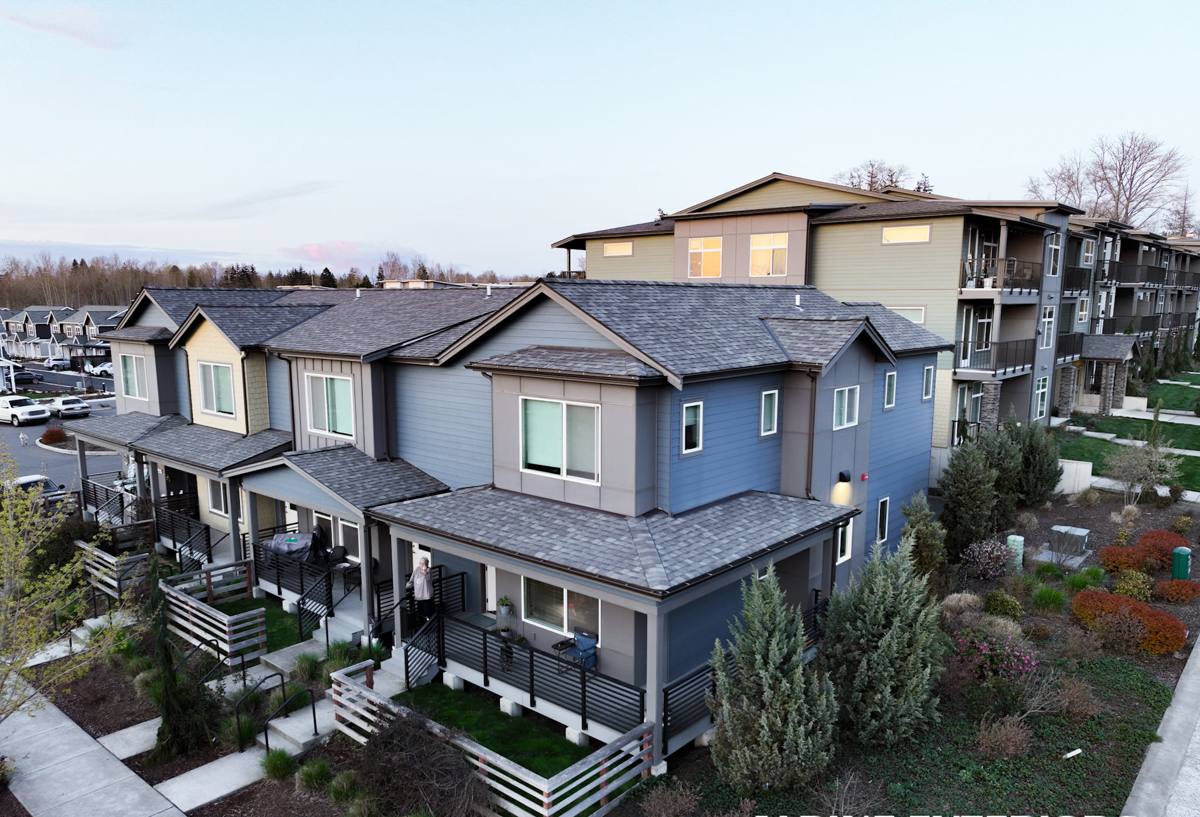
What Actually Drives Efficiency in This Climate
Efficiency ratings on a window label mean different things depending on what your house is up against. For Similk Beach, three numbers matter more than the rest:
- U-factor — how well the window resists heat loss. Lower is better, and it matters more here than in a milder inland pocket because coastal wind pulls heat out of a house faster than still air does.
- Air infiltration rate — how much outside air leaks through the assembly itself, not just the glass. Wind-driven conditions expose weak seals and poor installation detail much faster than calm weather ever would.
- Condensation resistance — how well the window keeps interior moisture from collecting on cold glass and frames. This one gets overlooked constantly, but in a house that already deals with high ambient humidity for months at a time, it's often the difference between a window that stays trouble-free and one that grows mold at the sill within a year or two.
Solar heat gain coefficient (SHGC) matters too, but it's a smaller factor here than in sunnier climates — Similk Beach doesn't get the kind of intense, prolonged summer sun that makes SHGC the dominant concern. We size that spec to the house's actual exposure rather than defaulting to a one-size answer.
Frame Material Trade-Offs Near the Water
| Frame Material | How It Handles Salt Air & Moisture | Typical Trade-Off |
|---|---|---|
| Vinyl | Doesn't corrode; welded corners resist water intrusion well when installed correctly | Limited color/finish options; can expand and contract with temperature swings |
| Fiberglass | Very stable dimensionally, holds paint and seals well over time, strong resistance to moisture-driven warping | Higher upfront cost than vinyl |
| Wood-clad | Attractive interior finish, but exposed or damaged cladding lets moisture reach the wood core, which is a real risk this close to salt air | Requires more diligent maintenance and prompt repair of any finish damage |
| Aluminum | Prone to corrosion and heat transfer unless thermally broken and properly finished | We generally steer clients away from bare aluminum in this location for those reasons |
We don't rule out any single material outright — a well-detailed wood-clad window can absolutely work at Similk Beach if the homeowner is committed to maintaining the exterior finish. But we're honest about which materials ask less of you over the next fifteen years in this specific environment, and we'll tell you that trade-off plainly before you buy anything.
Salt Air and Hardware Corrosion
The hardware on a window — hinges, locks, cranks, balance mechanisms — takes as much of a beating from salt air as the frame does, and it's usually the first thing to fail. Cheap or unprotected hardware can start sticking, corroding, or seizing up well before the glass unit itself shows any wear. We spec corrosion-resistant hardware for coastal installs and avoid components with exposed steel fasteners that weren't rated for marine or near-marine exposure. It's a small line item that makes a real difference in how a window operates ten years from now.
Driving Rain and Water Management
Wind-driven rain finds every gap a calm rain would never reach. Most window failures we see in wind-exposed Anacortes-area homes aren't failures of the window itself — they're failures of the installation detail around it. Flashing, sill pans, and sealant work matter as much as the product you choose.
What a Correct Installation Actually Includes
- A sloped sill pan or flashing that directs any water that does get past the exterior seal back outside the wall, not into the framing
- Head flashing integrated with the house wrap or building paper above the opening, not just caulked over the top
- Compatible sealants at every joint — mismatched sealant chemistries are a common, avoidable cause of early failure
- Properly shimmed and squared units so the window operates without binding and seals evenly around its full perimeter
- Insulated gaps between the frame and rough opening, sealed with a material that stays flexible rather than hardening and cracking
Skip any one of these steps and even a top-tier window will eventually let water in. This is the part of the job that doesn't show up in a product brochure but matters more than the brochure does.
Moss Season and Long-Term Moisture Exposure
Skagit County's extended damp season doesn't just grow moss on roofs — it keeps window sills, exterior trim, and lower sashes wet for long stretches at a time. Materials and finishes that shed water quickly and dry out between rain events hold up far better here than anything that traps moisture against wood or unprotected metal. This is part of why we pay close attention to sill design and drainage paths, not just the glass package, when we're speccing windows for homes in this area.
Our Installation Process
- On-site assessment. We look at each opening individually — wind exposure, existing water damage, sill condition, and how the house is currently detailed around its windows.
- Product selection. We recommend frame material, glazing package, and hardware based on that specific opening's exposure, not a blanket spec for the whole house.
- Removal and inspection. Once old windows come out, we check the rough opening and surrounding framing for hidden rot or water damage before anything new goes in.
- Flashing and sealing. Sill pans, flashing, and insulation go in to current best-practice water-management standards before the new window is set.
- Installation and adjustment. Windows are shimmed, squared, and tested for smooth operation and even seal contact.
- Exterior and interior finish work. Trim, caulking, and touch-up are completed so the opening is fully weathered-in, not just installed.
Choosing the Right Window for a Similk Beach Home
Not every house needs the same answer. A home with a sheltered exposure facing away from prevailing wind and rain can often get by with a less aggressive spec than one facing open water or unbroken wind. Before you decide, walk through this:
- Which walls of the house take direct wind and rain, and which are sheltered by terrain, trees, or neighboring structures?
- Is there existing evidence of water intrusion, staining, or soft wood around current window openings?
- Do you notice condensation or fogging on interior glass during colder months?
- Are current windows difficult to open, close, or lock — a common sign of corroded or worn hardware?
- How much exterior maintenance are you realistically willing to keep up with over the life of the window?
Answering those honestly does more to get you the right window than chasing the highest efficiency rating on a spec sheet.
Why a Local Crew Matters Here
Window performance in a coastal Skagit County setting depends heavily on installation detail, and installation detail depends on having actually worked this kind of exposure before. A crew that regularly works in and around Similk Beach and the greater Anacortes area has already seen how salt air, wind direction, and rain patterns affect homes in this specific stretch of the county — which openings tend to take the worst weather, which sill details hold up and which don't, and where corners get cut on jobs that weren't built for this environment. That's not something you get from a general product catalog; it comes from doing the work here, repeatedly, and paying attention to what actually lasts.
Maintenance That Actually Extends Window Life Here
Even a well-installed, well-specified window benefits from a little seasonal attention in this climate. Rinsing accumulated salt residue off exterior frames and hardware, keeping weep holes and drainage paths clear of debris and moss growth, and checking exterior caulk lines once a year for cracking all go a long way toward getting the full service life out of your investment. None of this is complicated, but skipping it in a coastal environment tends to catch up with a house faster than it would somewhere drier and more sheltered.
If you're weighing window replacement for a home in Similk Beach, we're happy to take a look and talk through what your specific exposure actually calls for — no pressure, no upsell, just a straight assessment. Reach out using the form below to set up a free estimate.