 Anacortes Roofing
 Why Board & Batten Fits Similk Beach Homes
Board and batten has been a Pacific Northwest favorite for a reason that goes beyond looks. The wide vertical panels and raised battens give a home strong, clean lines — a modern farmhouse or coastal look that works especially well on the waterfront and near-waterfront properties around Similk Beach. But the style only holds up if the material underneath it holds up too. On a shoreline stretch of Fidalgo Island, siding takes a harder beating than it would a few miles inland, and board and batten's long vertical seams and exposed battens either shed that abuse well or become the first place a home starts failing.
We install board and batten in one material: James Hardie fiber cement. That's not a marketing preference — it's a decision built around what actually survives this specific stretch of Skagit County shoreline for decades instead of years.
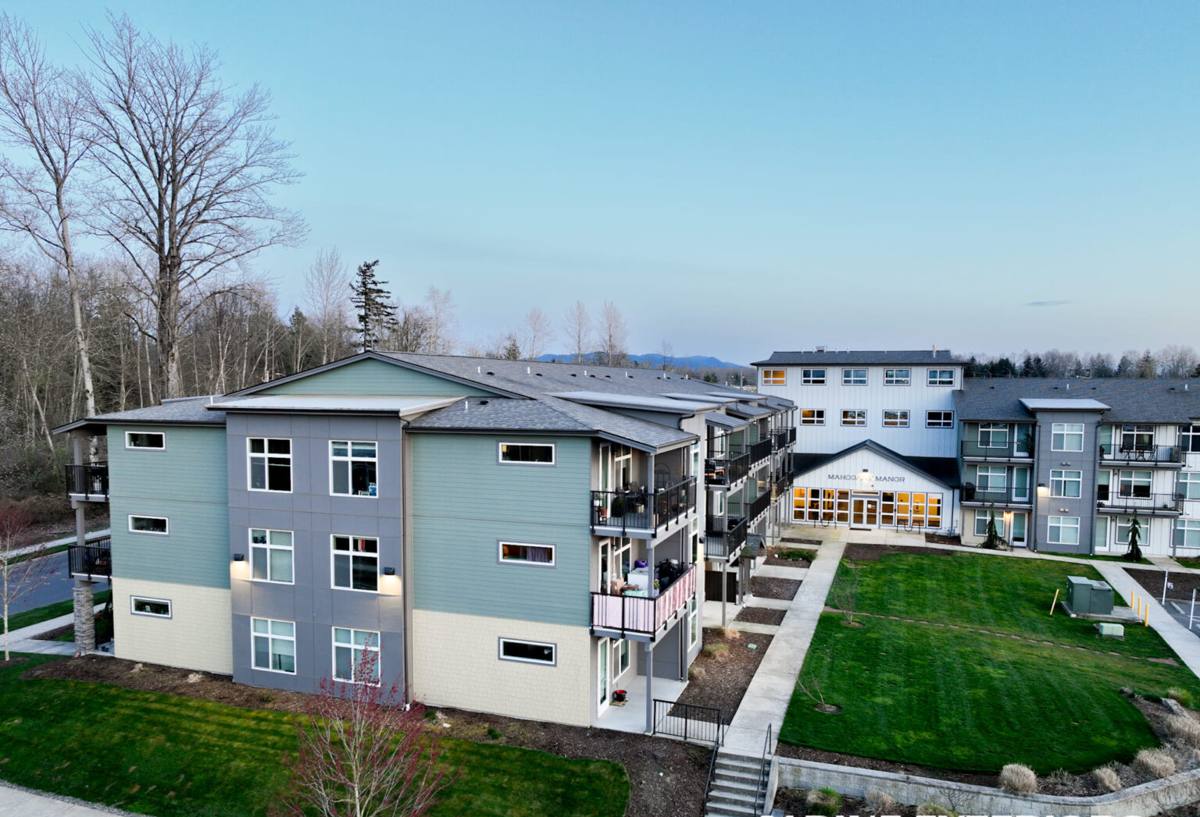
What Similk Beach's Climate Does to Siding Over Time
Homes near Similk Bay sit close enough to open water that salt-laden air is a constant, low-grade stressor on anything mounted to an exterior wall. Add the driving, wind-pushed rain that comes through Skagit County in the fall and winter, and you have moisture finding its way into every seam, joint, and fastener hole that isn't detailed correctly. Then there's the moss and algae season — long, damp, and shaded stretches where organic growth gets a foothold on any surface that stays wet and doesn't fully dry between storms.
Board and batten is more exposed to this than most siding profiles. The battens create raised ridges that catch wind-driven rain from more angles, and the vertical seams run straight down the wall, giving water a direct path to travel if it gets behind the surface. None of this is a reason to avoid the style — it's a reason to be precise about the material and the install.
What Fails First on the Wrong Material
On wood-based or engineered wood board and batten, the failure pattern is predictable: moisture gets into cut edges or fastener penetrations, the substrate swells or softens, paint starts to bubble or peel at the seams, and moss takes hold in any spot that stays damp longer than a day. Vinyl board and batten avoids rot but flexes and gaps in wind, and salt air accelerates fading and chalking on the surface faster than it does inland.
Why We Install James Hardie and Nothing Else
James Hardie fiber cement is cement, sand, and cellulose fiber — there's no wood fiber in the board to rot, swell, or feed moss the way organic material does. It doesn't absorb water the way wood-based sidings do, so the freeze-thaw and wet-dry cycling that's constant on Fidalgo Island in the cooler months doesn't work the material apart from the inside.
Hardie also engineers its products by climate zone. The HZ10 formulation used in the Pacific Northwest is built around exactly the conditions Similk Beach deals with: sustained moisture exposure and a long damp season, rather than the heat-and-humidity profile Hardie's products account for in other parts of the country. That's a meaningful distinction — a fiber cement board engineered for the wrong climate zone doesn't perform the same way here.
The factory-applied ColorPlus finish is the other half of the equation. It's baked on under controlled conditions with a finish designed to resist fading and hold up against exactly the kind of moisture and salt exposure this area produces, and it carries its own warranty coverage separate from the substrate. That combination — climate-matched fiber cement plus a factory finish built to survive marine air — is why we don't offer board and batten in vinyl, LP SmartSide, cedar, or primed spruce. We've made a professional call that those materials carry trade-offs in moisture behavior, maintenance burden, or long-term appearance that we're not willing to install and stand behind on this coastline.
What a Correct Board & Batten Installation Actually Involves
The material is only half the job. Board and batten fails on good siding all the time because of bad installation — and because the profile has more seams and more fastening points than a standard lap siding job, the margin for error is smaller.
Drainage Plane and Flashing
Every correct install starts behind the siding, not at it. A properly lapped weather-resistant barrier, correctly flashed windows, doors, and penetrations, and a drainage gap between the siding and the wall assembly are what actually keep water from becoming a problem, regardless of what's on the surface. On board and batten specifically, this matters more because the vertical battens create channels that can direct water downward if the wall behind them isn't set up to drain it back out.
Fastening and Batten Spacing
James Hardie publishes exact fastener types, spacing, and edge-clearance specs for board and batten assemblies, and following them is what keeps the manufacturer's warranty valid — deviating from them, even in small ways, can void coverage regardless of how the wall looks when it's finished. Batten spacing also has to account for panel expansion and contraction; get it wrong and you either get visible stress at the seams or gaps that let wind-driven rain in.
Sealant and Joint Detailing
Hardie's install specs favor mechanical detailing — flashing, laps, and drainage — over relying on caulk as the primary water barrier. Sealant has a service life; flashing and proper laps don't wear out the same way. A board and batten job that depends heavily on caulk at every seam is a job that will need re-caulking on a schedule for the life of the siding, which is exactly the kind of ongoing maintenance we try to design out from the start.
Our Process, Start to Finish
- Assessment: we look at the existing wall assembly, siding condition, moisture history, and exposure to wind and salt air before quoting anything.
- Tear-off and inspection: old siding comes off and we check the sheathing and existing barrier for hidden moisture damage before anything new goes up.
- Weather barrier and drainage plane: a correctly lapped WRB and drainage gap go in first — this is the layer that actually protects the wall.
- Flashing: windows, doors, and any penetrations get flashed to direct water out and down, not behind the siding.
- Board and batten installation: Hardie panels and battens go up to manufacturer fastening and spacing specs.
- Finish and trim: ColorPlus-finished material needs no field painting; where field paint is used, it's done to Hardie's specifications to protect the warranty.
- Final walk-through: we check seams, flashing, and fastening before calling the job done.
Cost Factors for Board & Batten Siding in Similk Beach
Every home is different, but the variables that move the price are consistent. Here's what actually drives cost on a board and batten project in this area:
| Factor | Why It Matters |
|---|---|
| Tear-off vs. new substrate | Removing and disposing of failed siding, and repairing any hidden sheathing damage, adds labor before new siding can go up |
| Home size and wall complexity | More corners, gables, and dormers mean more cuts, more battens, and more flashing detail |
| Trim and finish level | Factory ColorPlus finish versus field-painted trim changes both material cost and long-term maintenance |
| Site access | Waterfront and shoreline lots can have tighter access or staging constraints that affect labor time |
| Existing moisture damage | Rot or water intrusion found during tear-off has to be repaired before new siding goes on, which isn't always visible at the estimate stage |
Why a Crew That Already Works Similk Beach Matters
Board and batten installed to spec in Skagit County isn't the same job as board and batten installed inland. A crew that already works homes around Similk Beach and the surrounding Anacortes shoreline knows how far wind-driven rain travels up a wall in this exposure, where moss actually takes hold first on a north- or shade-facing elevation, and how much drainage detailing a wall assembly needs to handle a full wet season without trapping moisture.
That local pattern recognition isn't something you can specify in a bid document — it comes from having done the work on comparable homes in this exact environment and having seen, over time, what holds up and what doesn't. It also means fewer surprises during the project: we already understand permitting through Skagit County, typical access considerations on shoreline lots, and the exposure differences between a home set back from the water and one facing it directly.
Signs Your Current Siding Needs Attention
If you're not sure whether it's time to look at replacement, these are the signs we see most often on siding that's struggling with this climate:
- Visible moss or algae growth that returns shortly after cleaning
- Paint that's bubbling, peeling, or chalking, especially at seams and battens
- Soft spots, swelling, or visible warping in the boards
- Gaps opening up at seams or where battens meet the panels beneath
- Staining or discoloration that tracks downward from a specific joint or fastener line
- A noticeably musty smell near exterior walls, which can point to moisture getting behind the siding
Any one of these on its own might just need monitoring. Several together, especially on a wall that faces prevailing wind and rain, usually means the assembly behind the siding is taking on water and it's worth having someone look before it gets worse.
If you're weighing board and batten for a home near Similk Beach, we're glad to take a look and walk through what your specific wall exposure calls for. Reach out for a free, no-pressure estimate — there's a form below to get started.