 Anacortes Roofing
 Guemes Island Roofs Take a Different Kind of Beating
Guemes Island sits right out in the weather that rolls off the Salish Sea, and that changes what "storm damage" looks like compared to a roof a few miles inland in Anacortes. Homes on bluffs and waterfront lots get more direct wind, homes tucked into the island's tree cover get more falling-limb risk, and almost every roof on the island deals with the same slow grind of salt air and a long moss season that softens up shingles and corrodes metal before their time. When a storm hits, it's usually not doing damage to a roof that was in perfect shape — it's finishing off weak points that salt, moisture, and moss had already started.
That's the lens we repair through. We're not just patching whatever the wind tore loose; we're looking at why that spot failed first, because on an island like this, if you don't fix the underlying weakness, the next storm finds it again.
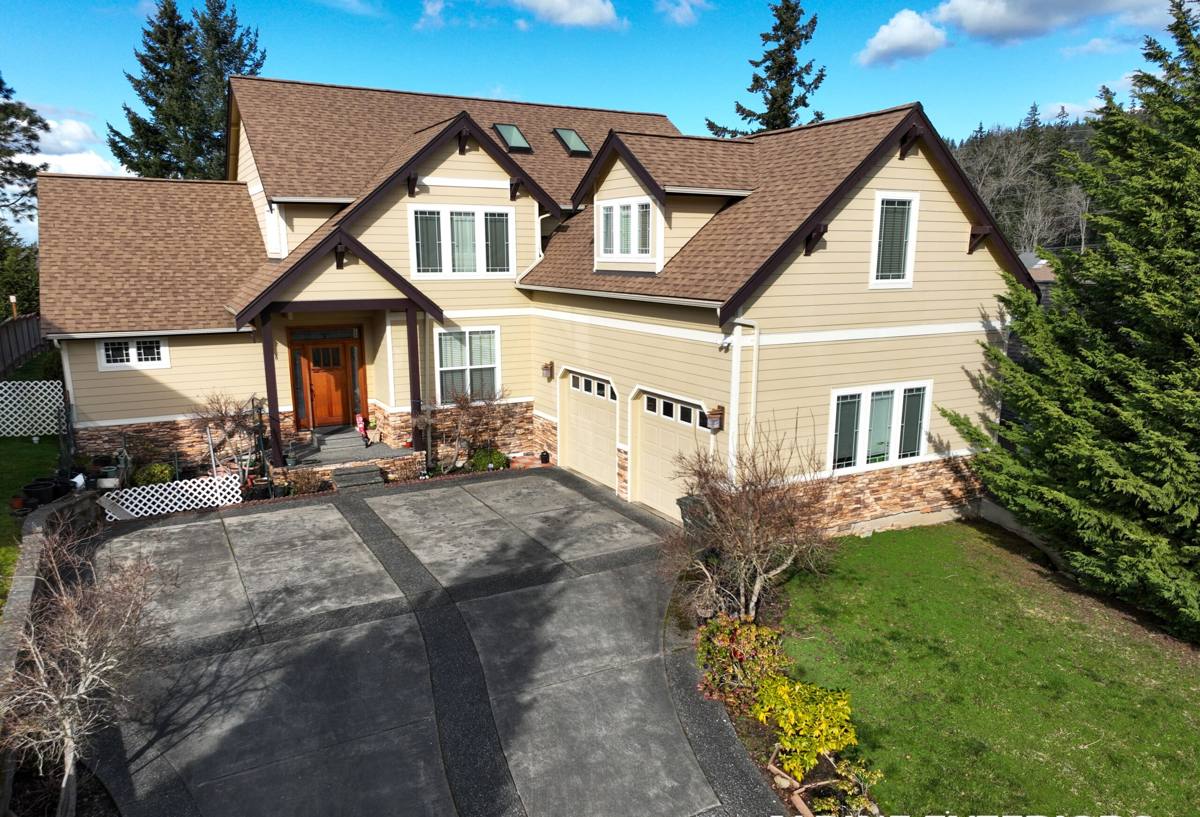
What Actually Counts as Storm Damage
Not everything that looks bad after a windstorm is a storm claim, and it's worth knowing the difference before you call anyone — including us.
Typically storm-related
- Shingles physically torn, creased, or blown off in the direction of the wind
- Punctures, cracked shingles, or dented metal flashing from a falling branch or debris impact
- Flashing pulled loose around chimneys, vents, or skylights after sustained gusts
- Sudden active leaks that started during or right after a specific storm event
Usually gradual wear, not a storm event
- Granule loss and thinning from years of moss and lichen holding moisture against the shingle
- Rust or corrosion on fasteners and flashing built up over multiple wet seasons
- Soft, spongy decking from long-term moisture intrusion rather than one storm
We'll tell you honestly which category your damage falls into. If it's gradual wear that a storm just exposed, that's still worth fixing — it's just a different conversation than an insurance claim.
Why Being Island-Based Changes Our Response
A lot of contractors will quote your job over the phone and then figure out logistics later. On Guemes Island, logistics come first. Getting a crew, a trailer, tarps, and repair materials over on the ferry takes planning that most Anacortes-area roofers simply haven't built into their routine — because they don't do it often enough to have a system for it.
We do. When you're dealing with an active leak or exposed decking after a storm, the time between the call and the tarp going on matters more than almost anything else. A properly secured tarp is the difference between a repair bill and a full interior remediation bill, and we plan our trips, materials, and crew scheduling around actually getting there fast — not around convenience for us.
What we account for that a mainland-only crew often doesn't
- Ferry schedule and vehicle space, so a materials run doesn't sit on a to-do list for two days
- Loading trailers with everything a storm-damage call might need before we even confirm the exact damage, since a second trip costs half a day
- Debris and old material haul-off planned into the same trip, not a separate visit
- Weather windows — timing repair work between systems instead of trying to shingle in the middle of one
Our Storm Damage Repair Process
- Emergency assessment and tarping. If there's active water intrusion, our first priority is stopping it — a secure tarp over the affected area, not a quick tuck-and-hope job that fails in the next gust.
- Full roof inspection, not just the damaged spot. Wind that tore one section loose usually stressed the fasteners and seals around it too. We check the whole slope, plus flashing, vents, and gutters, before we write up a scope of work.
- Photo documentation. Clear photos of the damage, dated, before any repair begins — useful whether or not you end up filing an insurance claim.
- Written scope and estimate. What's being repaired, with what materials, and why — no vague line items.
- Repair. Matching materials as closely as possible, proper flashing detail work (this is where most storm repairs actually fail if rushed), and fastener choices suited to a salt-air environment.
- Final walkthrough. We show you what was done and what to watch going forward, particularly if the rest of the roof is aging and this repair bought you time rather than solved everything.
Repair or Replace: How We Help You Decide
Storm damage repair doesn't automatically mean a small patch. Sometimes the honest answer is that the damaged section is one part of a roof that's near the end of its service life, and putting new material next to old, weathered, moss-thinned shingles isn't a good use of your money. Here's how we weigh it:
| Factor | Points Toward Repair | Points Toward Replacement |
|---|---|---|
| Roof age | Under 10-12 years | Approaching or past expected lifespan |
| Extent of damage | Isolated section or single slope | Multiple slopes or scattered damage |
| Condition around the damage | Surrounding shingles still flexible, granules intact | Widespread granule loss, brittle shingles, heavy moss |
| Material availability | Matching shingle still in production | Discontinued color or profile, visible mismatch likely |
| Underlying decking | Solid, dry decking | Soft spots or rot found during inspection |
We'll always quote the repair if repair is the honest answer. We only recommend replacement when the numbers and the condition of the roof genuinely point that way.
Insurance Claims: What We Can and Can't Do
We're not your insurance adjuster and we won't pretend to be, but we can make the claims process easier:
- We document damage with dated photos before repair work starts
- We provide a written, itemized estimate your adjuster can review
- We can meet an adjuster on-site if that's useful, and point out damage that's easy to miss from the ground
- We'll give you a straight answer on whether something looks storm-caused or age-related, even if that's not what you were hoping to hear
What we won't do is inflate a scope of work to hit a deductible or claim something is storm damage when it's clearly years of moss and moisture wear. That kind of shortcut tends to cause problems for homeowners later, not just for us.
Reducing Repeat Damage After the Repair
Once the immediate repair is done, a few things make the next storm less likely to find a new weak spot on a Guemes Island roof specifically:
Moss and moisture control
Shaded, tree-covered lots hold moisture longer, and moss roots work under shingle edges over time, lifting them just enough for wind to grab. Keeping moss knocked back and gutters clear reduces how much standing moisture sits on the roof deck between storms.
Fastener and flashing material
Salt air corrodes standard fasteners and thin flashing faster than it would a few miles inland. Where it makes sense, we use corrosion-resistant fasteners and properly sealed flashing details rather than the minimum spec, because replacing corroded flashing twice costs more than doing it right once.
Tree limb risk
If overhanging limbs contributed to the damage, we'll point them out. We're not arborists, but a branch hanging six feet over a roof edge is a predictable future repair call, not a surprise.
Signs You May Have Storm Damage Right Now
If a recent windstorm or heavy rain event has you wondering whether it's worth a call, look for these before you decide:
- Shingle pieces or granules in gutters, downspouts, or on the ground around the house
- Visible gaps, lifted edges, or missing shingles from the ground or a ladder
- New water staining on ceilings or upper interior walls
- Bent, creased, or missing flashing around chimneys, skylights, or roof vents
- A branch or limb that made contact with the roof, even if you don't see obvious damage
- Musty smell or damp insulation in the attic after a storm
If any of these apply, it's worth having someone look before the next system moves through — a small, secured repair now is a lot less disruptive than dealing with interior damage after a second storm gets into the same weak spot.
Why It Matters That We Already Work This Island
Storm damage repair is time-sensitive work in a place where "we'll get to it next week" can mean real interior damage. Because we already schedule regular work on Guemes Island, we're not building a special trip from scratch every time — we know the ferry logistics, we plan materials ahead, and we're familiar with how salt air, wind exposure, and moss season interact on roofs out here, which is different from what we see on a typical inland Anacortes job. That familiarity shows up in faster response and repairs that account for the actual conditions the roof lives in, not generic textbook conditions.
If you've got storm damage on a Guemes Island roof, or you just want a second, honest opinion on whether something is storm-related or ordinary wear, reach out for a free, no-pressure estimate using the form below. We'll take a straight look and tell you exactly what we see.