 Anacortes Roofing
 Windows in Bow Face a Different Kind of Wear
Bow sits close to Samish Bay, tucked into the stretch of Skagit County between Anacortes and the Chuckanut corridor, and that location shapes what a window has to survive here. Homes in this pocket of the county deal with a near-constant mix of salt-laden air off the bay, driving rain that comes in sideways during winter storms, and a long, damp moss season that keeps wood, trim, and glazing surfaces wet for weeks at a time. None of that is dramatic on any single day, but it adds up fast on a window that wasn't built or installed with that exposure in mind.
A window that would hold up fine in a drier inland climate can start showing problems within a few years out here — hardware that corrodes early, wood sills that stay soft and dark, or seals that fail because moisture never gets a real chance to dry out between storms. Custom windows for a Bow property need to be selected and installed around that reality, not around a generic spec sheet.
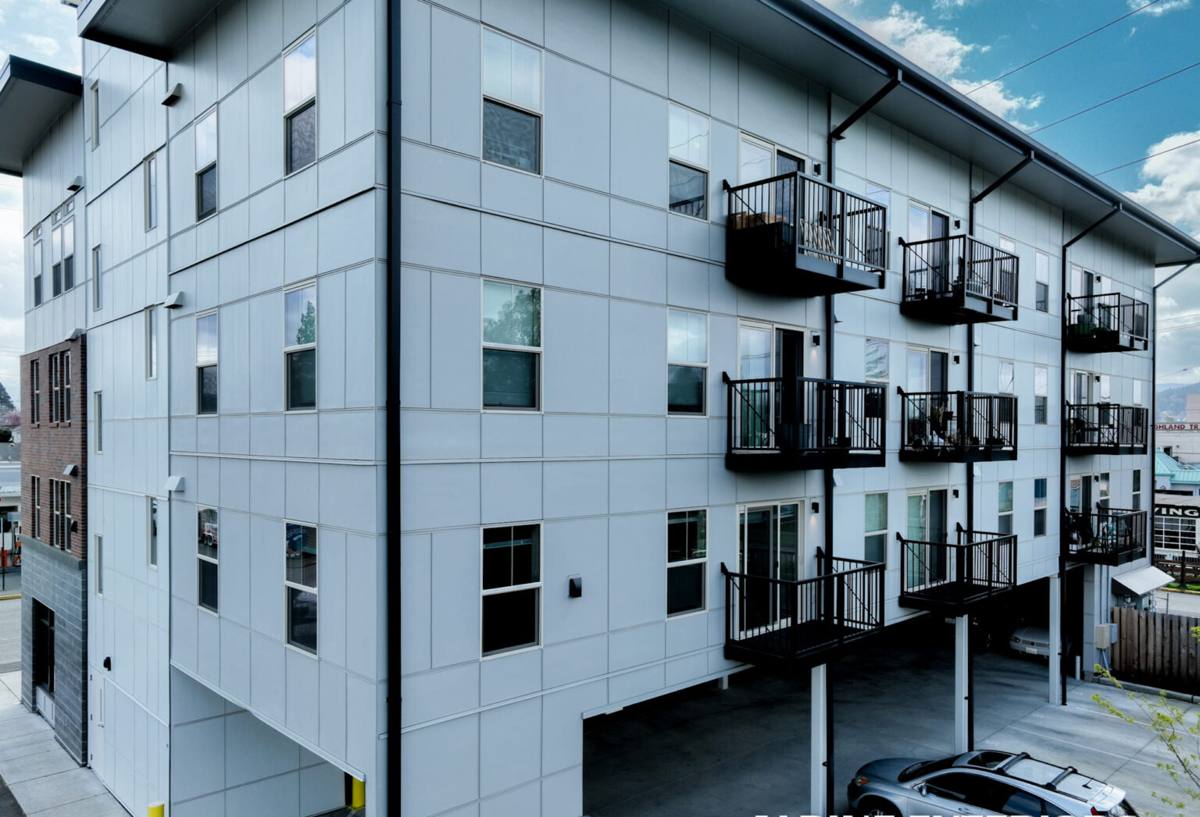
What Salt Air and Driving Rain Actually Do to a Window
Salt Air
Airborne salt is corrosive to exposed metal — hinges, cranks, screws, and cladding fasteners are the first things to suffer. On homes closer to the water, we see pitting and white corrosion on hardware well before the glass or frame itself shows any wear. Cheaper stamped hardware degrades faster than heavier cast components, which matters more here than it would on a home twenty miles inland.
Driving Rain
Wind-driven rain doesn't just hit a window — it pushes against it, testing every seam, weep hole, and flashing detail. A window that's watertight in a light, straight-down rain can still leak under sideways wind pressure if the flashing and sill pan weren't detailed correctly. This is one of the most common failure points we find on older installs in this area.
Moss and Prolonged Damp
Skagit County's moss season isn't just a roof problem. Moss and algae growth on window sills, trim, and the base of frames holds moisture against the surface long after the rain stops. On wood-trimmed windows especially, that prolonged dampness is what starts rot — not the rain itself, but the moisture that never gets a chance to fully dry.
What a Correct Installation Involves
Most window failures we're called out to fix in the Bow area aren't a bad window — they're a window that was installed without the right moisture management underneath it. A correct job includes several things that aren't visible once the trim goes back on, which is exactly why they matter:
- A properly sloped sill pan that directs any water that gets past the window back outside, not into the wall cavity
- Self-adhered flashing tape integrated with the house wrap in the correct shingle-lap order, so water always sheds downward and outward
- Backer rod and quality exterior sealant at the perimeter, sized and installed for the joint width — not just a bead of caulk over the gap
- Shimming that supports the frame square and plumb without distorting it, which affects how well the sash seals over time
- Insulation in the gap between the rough opening and the window frame, without over-packing it, which can bow the frame inward
Skip any one of these steps and the window can look fine for a year or two before a leak shows up — usually as a stain on interior trim or drywall, by which point there's already been water sitting in the wall.
Choosing Materials for a Bay-Adjacent Property
Frame material matters more here than in a lot of inland Skagit County neighborhoods, because it's dealing with salt exposure on top of the normal Pacific Northwest rain load. There isn't one universally "best" material — each has real trade-offs worth weighing honestly.
| Material | Salt Air Performance | Maintenance | Trade-offs |
|---|---|---|---|
| Vinyl | Good — won't corrode or rot | Low; occasional cleaning | Limited color/finish options; can look plain on period-style homes |
| Fiberglass | Very good — dimensionally stable, resists corrosion | Low | Higher upfront cost than vinyl |
| Aluminum-clad wood | Good exterior protection if cladding is intact; interior wood needs care | Moderate | Cladding seams and fasteners need periodic inspection near the coast |
| Solid wood | Poor without diligent upkeep in this climate | High — regular painting/sealing required | Best appearance for historic homes, but a real ongoing commitment here |
For most Bow homes we work on, vinyl or fiberglass covers the salt and moisture exposure well without adding a maintenance chore to the homeowner's list. Wood and wood-clad options aren't off the table — they're just a different commitment, and we'll say so plainly rather than talk anyone into upkeep they didn't sign up for.
Common Problems We Find on Existing Bow Windows
When we're called out to look at an older window in this area, the issues tend to repeat:
- Fogged or failed glass units — the seal between panes has broken and moisture is trapped between the glass layers
- Soft or discolored sills — usually wood that's stayed damp too long from moss or poor drainage
- Hardware that won't turn smoothly — corrosion from salt air seizing cranks or hinges
- Drafts around the frame — failed or missing perimeter sealant, often paired with old or missing flashing
- Water staining on interior trim below the window — a sign water has been getting past the exterior seal for some time
Any one of these on its own might just mean a repair. Several together, especially on a window installed 15-20+ years ago, usually means it's more cost-effective to replace than keep patching.
How Our Process Works
- On-site assessment. We look at each window individually — frame condition, flashing, sill, and how the opening is oriented to prevailing wind and rain.
- Honest recommendation. Repair, replace, or leave alone — we'll tell you which one actually makes sense for that specific window, not just quote a full-house replacement by default.
- Written estimate. Clear scope, materials, and a realistic timeframe before any work starts.
- Removal and prep. Old windows come out carefully, and we inspect the rough opening and framing underneath for any hidden moisture damage before anything new goes in.
- Correct installation. Sill pan, flashing, insulation, and sealant done in the right order — the details that determine whether the window performs in twenty years, not just this winter.
- Cleanup and walkthrough. We go over the finished work with you and clear the site when we're done.
Energy Performance in a Marine Climate
Skagit County's climate is mild compared to the rest of the state, but it's also consistently damp and windy near the water, which puts more emphasis on air sealing than on extreme insulation values. For most Bow homes, we're less focused on chasing the lowest possible U-factor and more focused on:
Condensation Resistance
A window with poor condensation resistance will fog or drip on the interior during our cold, wet winters, which can lead to sill and frame damage over time — a bigger concern here than in a drier climate.
Air Infiltration
With wind coming steadily off the bay, a tight seal against air infiltration does more for comfort and heating cost than marginal glass upgrades. This comes back to installation quality as much as the window unit itself.
Double vs. Triple Pane
Double-pane, low-E glass is adequate for most homes in this area and keeps costs reasonable. Triple-pane adds performance and a bit more sound dampening, which some homeowners near busier roads or more exposed sites value, but it's a real cost increase that isn't necessary for every home.
Maintenance Checklist for Coastal Skagit County Homes
A well-installed window still benefits from basic upkeep, especially this close to the water. A few times a year, it's worth checking:
- Wipe down hardware (cranks, hinges, locks) and apply a light lubricant to slow salt-air corrosion
- Clear moss and debris from sills and tracks before it holds moisture against the frame
- Inspect exterior caulking for cracks or gaps, especially after a hard winter storm season
- Check interior trim below windows for any new staining or softness
- Make sure weep holes on the exterior sill aren't blocked by dirt or debris
Why a Crew That Already Works in Bow Matters
Bow isn't a huge area, but its exposure to Samish Bay and the surrounding tidal flats means window and exterior work here has to account for wind and moisture conditions that don't always match what a crew from further inland is used to planning for. A contractor who already works this part of Skagit County knows what flashing detail actually holds up against driving rain off the water, which materials are worth the extra cost here versus where they're overkill, and how to sequence a job around the wetter stretches of the year.
That familiarity shows up in small decisions — how a sill pan is sloped, which sealant is rated for this level of moisture cycling, how tight the flashing lap needs to be — that don't show up on a quote but absolutely show up in how the window performs five and ten years out.
If you're weighing repair versus replacement, or just want a straight opinion on the windows you've got now, we're happy to take a look. Reach out for a free, no-pressure estimate — the form below gets you started.