 Anacortes Roofing
 New Roof Installation Built for Bow's Coastal Climate
Bow sits in the stretch of Skagit County between Anacortes and Bellingham, close enough to Samish Bay and the Salish Sea that salt-laden air is part of daily life for every roof in the area. Add in the long wet season, heavy tree cover in many pockets of Bow, and the kind of driving rain that comes sideways off the water during winter storms, and you have a climate that is genuinely harder on a roof than what inland Washington homes deal with. A new roof installed here needs to be specified and installed with that reality in mind, not treated like a generic re-roof job.
We install new roofs for homeowners throughout Bow and the surrounding rural areas of Skagit County. This page covers what that job actually involves, what local conditions demand from the materials and the installation, and how we run the project from first look to final walkthrough.
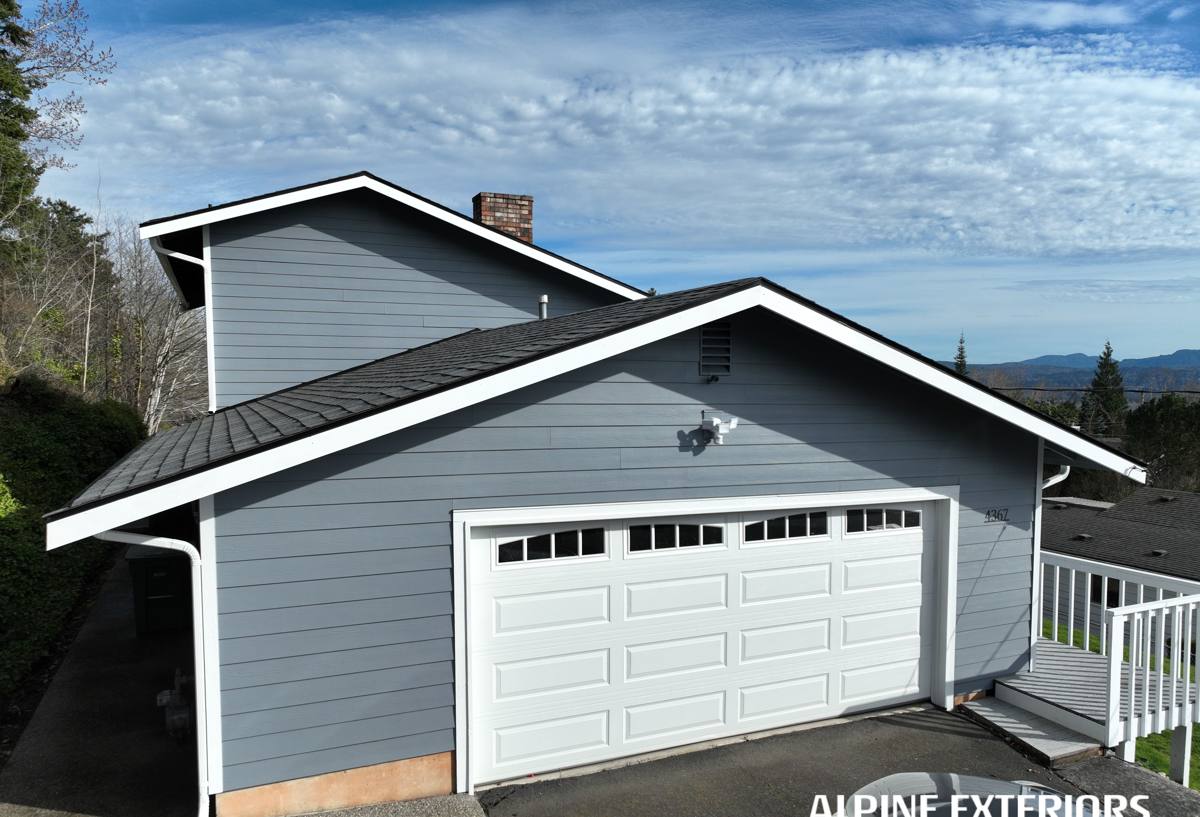
What Bow's Climate Actually Does to a Roof
Three things stand out when we're evaluating a roof for replacement in this part of the county:
- Salt air corrosion. Metal fasteners, flashing, and drip edge take a beating from airborne salt, especially on roofs with any exposure toward the water. Untreated or poorly coated metal components corrode faster here than they would twenty miles inland.
- Sustained wet season. Skagit County gets extended stretches of steady rain, not just occasional downpours. That means underlayment, valleys, and penetration flashing are wet or damp for days at a time, not hours. Any weak point in the water-shedding system gets tested repeatedly every winter.
- Moss and organic growth. Bow's mix of tree cover, shade, and moisture creates ideal conditions for moss, lichen, and algae on roofing surfaces. Moss doesn't just look bad — it holds moisture against the roofing material and can work its way under shingle tabs and shakes over time, shortening the life of the roof underneath it.
None of this means a roof in Bow needs to be over-engineered. It means the details — fastener choice, flashing metal, underlayment coverage, and moss-resistant surfacing — matter more here than they would in a drier, more sheltered part of the state.
Why This Matters More for New Construction Than Repairs
A full new roof installation is the one chance to get the whole system right from the deck up — not just patch around what's already there. Ventilation, underlayment, flashing details, and material choice all get decided once and then live with the house for decades. Getting those decisions right the first time is far cheaper than correcting them later.
What a Correct New Roof Installation Includes
A new roof is more than shingles or panels laid over the old ones — and in most cases, laying new material over old roofing isn't something we recommend at all, since it traps moisture and hides deck problems. A proper installation includes:
- Full tear-off down to the deck, so we can actually see the condition of the sheathing before covering it up again.
- Deck inspection and repair — replacing any sheathing that's soft, delaminated, or water-stained rather than roofing over it.
- Ice-and-water shield at eaves, valleys, and around penetrations, which matters more in Bow's sustained-rain pattern than in drier climates.
- Synthetic underlayment across the full deck as a second line of defense.
- Corrosion-resistant flashing and fasteners at valleys, chimneys, skylights, and wall intersections — chosen specifically because of the salt air exposure common in this area.
- Balanced attic ventilation (intake and exhaust) so moisture from inside the home doesn't condense against the new roof deck.
- Moss-resistant material or treatment where the site's shade and tree cover warrant it.
Material Options for Bow Homes
There's no single "best" roofing material for every home in Bow — it depends on the roof's slope, the amount of shade and moss exposure, the home's architecture, and the homeowner's budget. Here's how the common options compare for this specific climate:
| Material | How it handles salt air & rain | Moss resistance | Typical lifespan here |
|---|---|---|---|
| Architectural asphalt shingle | Good, with corrosion-resistant flashing and fasteners | Moderate — improves with algae-resistant granules | 20-30 years |
| Standing seam metal | Excellent when properly coated and fastened | High — sheds moss more easily due to smooth, steep-shedding surface | 40-50+ years |
| Cedar shake | Requires diligent maintenance in wet, shaded conditions | Low without regular treatment — most vulnerable to moisture and moss | 20-30 years with upkeep |
| Synthetic composite shingle | Good, stable in freeze-thaw and wet cycles | Moderate to high depending on product | 30-50 years |
We'll walk through these options against your specific roof — its slope, sun exposure, and how much tree cover it sits under — rather than pushing one material as a default for every job.
Where We Set Our Own Standard
On some materials, particularly untreated wood shakes on heavily shaded, low-slope sections, we're upfront that the maintenance burden in a climate like Bow's is significant — moss and moisture retention are working against the material constantly. That's a professional judgment about long-term performance and upkeep, not a knock on any manufacturer. We'll always tell you honestly what a material needs to perform well at your specific site.
Our Installation Process
1. On-Site Assessment
We look at your existing roof, attic ventilation, deck condition (where visible), tree cover, and exposure to prevailing wind and rain direction. This is also when we talk through material options honestly based on your budget and the house itself.
2. Written Scope and Straight Pricing
You get a clear, written scope of work — what's being torn off, what's being replaced, what underlayment and flashing systems are going in, and what the material and labor cost breaks down to. No vague allowances, no surprise add-ons sprung mid-project.
3. Tear-Off and Deck Inspection
Old roofing comes off completely. We inspect the deck in daylight before anything new goes down, and we'll show you any sheathing that needs replacing before we proceed, not after the invoice.
4. Underlayment, Flashing, and Ventilation
This is where a roof's real weather resistance is built — ice-and-water shield at vulnerable areas, full synthetic underlayment, corrosion-resistant flashing at every penetration and valley, and ventilation balanced for your attic's actual size and layout.
5. Roofing Installation
Material goes down to manufacturer specification, with attention to nailing pattern, exposure, and fastener choice suited to coastal conditions.
6. Final Walkthrough and Cleanup
We walk the property with you, check gutters and downspouts for debris, and make sure the site is clean of old material and fasteners before we consider the job done.
Why a Crew That Already Works in Bow Makes a Difference
Roofing crews that mostly work drier, inland climates sometimes underspec flashing metal or skip moss-resistant considerations because it hasn't bitten them yet. A crew that regularly works Bow, Anacortes, and the rest of Skagit County has already seen what salt air does to the wrong fastener choice and what a shaded, moss-prone roof looks like five years after a rushed installation. That local pattern recognition shows up in small decisions — which flashing metal to spec, how much ventilation an attic actually needs, where ice-and-water shield is worth the extra material cost — that add years to a roof's service life without adding much to the bill.
Signs It's Time for a New Roof, Not Another Repair
- Granule loss heavy enough that you're finding significant amounts in gutters
- Multiple past repairs that haven't resolved recurring leaks
- Visible sagging in the roof deck or ridge line
- Widespread moss growth that's lifted shingle tabs or shakes
- Daylight visible through the roof deck from inside the attic
- A roof already past or near the end of its material's expected lifespan
- Rising energy bills tied to poor attic ventilation or insulation performance
Planning and Timing Considerations
Roofing installation in this part of Skagit County works best scheduled around the drier months when possible, though a well-run crew can still install correctly during the wet season using proper sequencing and weather monitoring to keep the deck protected. If your roof is failing now, we won't tell you to just wait for summer — we'll tell you honestly whether it's safe to hold or whether it needs attention sooner.
If you're weighing a new roof for your home in Bow, we're glad to come take a look and give you a straightforward, no-pressure estimate — no hard sell, just an honest read on what your roof needs and what it will cost to do right. Use the form below to get started.