 Anacortes Roofing
 Composite Decking in West Anacortes
West Anacortes sits close enough to the water that salt air, wind-driven rain, and shaded, moss-prone lots are just part of owning a home here. Decks in this part of town take more of a beating than decks a few miles inland, and that shows up fastest in whatever's underfoot on the back porch or waterview deck. Composite decking has become the default choice for a lot of West Anacortes homeowners for good reason — but "composite decking" covers a wide range of products and installation quality, and not all of it holds up the same way in this climate.
This page covers what composite decking actually needs to succeed in West Anacortes specifically: the substructure work that matters more here than in drier climates, what separates a correct install from one that'll cause problems in five years, and what upkeep looks like once it's down.
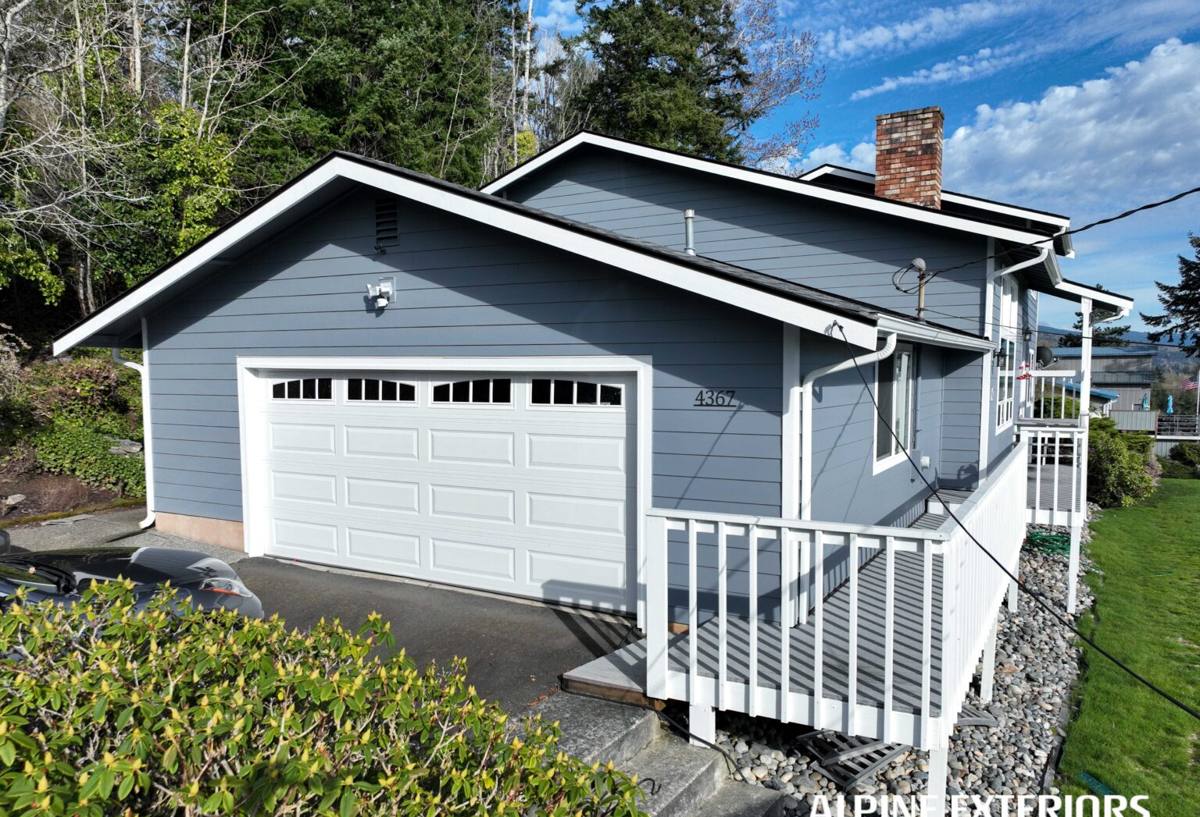
Why West Anacortes' Climate Is Hard on Decking
Three things work against decks in this neighborhood, often at the same time:
Salt Air
Proximity to the water means airborne salt settles on everything, including fasteners, flashing, and any exposed metal in a deck structure. Untreated or poorly rated hardware corrodes faster here than it would a few miles inland, and corroded fasteners are one of the more common hidden causes of a deck that starts feeling loose or squeaky years before it should.
Driving Rain
Storms coming off the water don't fall straight down — wind pushes rain sideways into ledger boards, under railings, and into any gap in flashing or trim. A deck built with drainage as an afterthought will hold water in places you can't see, which leads to rot in the framing underneath even if the composite boards on top look fine.
A Long Moss Season
Shaded lots, tree cover, and the region's damp stretch from fall through spring give moss and algae a long window to take hold on any surface that stays wet. Moss on a deck isn't just cosmetic — it holds moisture against the board surface and turns the walking surface slick and dangerous, especially on stairs and ramps.
None of this is unique to West Anacortes, but the combination — salt exposure plus heavy shade plus driving rain off the water — is more concentrated here than in most of Skagit County.
What Composite Decking Solves (and What It Doesn't)
Composite boards don't rot, splinter, or need annual staining the way wood does, which is the main reason homeowners switch. The board material itself resists moisture absorption far better than wood. But composite decking is not maintenance-free, and it doesn't fix a bad substructure — it just sits on top of one. A composite deck built over undersized joists, poor drainage, or corroding fasteners will still fail; it'll just take longer to show it, and the surface will look fine right up until it doesn't.
That's the honest tradeoff: composite decking removes the wood-specific problems (rot, splintering, warping, repeated staining) but the framing, fasteners, flashing, and drainage underneath it still have to be done right — arguably more right, because you won't be able to see them once the boards go down.
What a Correct Composite Deck Installation Involves
A lot of what makes a composite deck last in this climate happens before a single board is installed.
Framing and Joist Spacing
Composite boards are heavier and behave differently under load than wood, and manufacturers specify tighter joist spacing for composite than what's typically used under a wood deck. Using wood-spec framing under composite boards is a common shortcut that leads to bounce, sag, and premature board stress over time.
Ledger Board Flashing
Where the deck attaches to the house is the single most common point of hidden water damage on any deck, composite or not. Proper flashing — installed so water sheds away from the house rather than behind the ledger board — matters more here given how much wind-driven rain West Anacortes gets off the water.
Fastener Selection
Hidden fastener systems are standard on quality composite installs, but the fasteners themselves need to be rated for coastal or salt-air exposure. Standard hardware that's fine 10 miles inland can start corroding within a few seasons this close to the water.
Ventilation and Drainage Beneath the Deck
Composite boards don't wick moisture the way wood does, but the framing underneath still needs airflow and a way for water to drain out rather than pool. Low-clearance decks or decks built tight against grade are more prone to trapped moisture problems in a climate that stays damp for months at a stretch.
Board Gapping and Expansion
Composite material expands and contracts with temperature and moisture more than most homeowners expect. Boards installed without correct gapping can buckle or push against fascia and railings after a wet winter.
- Joist spacing matched to the manufacturer's composite spec, not generic wood spacing
- Ledger flashing that sheds water away from the house framing
- Corrosion-rated fasteners and hardware throughout, not just at visible points
- Adequate under-deck clearance and drainage path
- Correct board-to-board and board-to-trim gapping for expansion
- Stair and railing hardware rated for the same exposure as the deck itself
Comparing Composite Decking Options
"Composite decking" isn't one product — the category ranges from older wood-plastic blends to fully capped boards and PVC alternatives. Each behaves differently in a wet, salt-exposed climate.
| Type | Moisture Behavior | Maintenance | Typical Cost Position |
|---|---|---|---|
| Traditional wood-plastic composite (uncapped) | Some moisture absorption at cut edges and surface over time | Occasional cleaning; more susceptible to moss and staining in shade | Lower |
| Capped composite | Protective outer layer resists moisture and staining much better | Periodic washing; holds up well against moss with routine cleaning | Mid |
| PVC / fully synthetic decking | Effectively moisture-proof board material | Lowest maintenance; still needs surface cleaning to prevent moss buildup | Higher |
For a shaded, salt-air lot in West Anacortes, we generally steer homeowners toward capped composite or PVC over uncapped composite, since the outer layer is what actually resists moss staining and moisture absorption at cut ends — the two failure points that show up first in this climate. We'll talk through specific manufacturer options and warranty terms during an on-site estimate rather than pushing one brand; the right choice depends on your budget, sun exposure, and how the deck will be used.
Substructure and Moisture Management
If there's one area where West Anacortes decks need more attention than decks in drier parts of the state, it's what happens below the walking surface. Framing lumber, even pressure-treated, is still wood, and wood framing under a low-clearance or heavily shaded deck can hold moisture long enough to develop rot even when the composite boards above show nothing. Correct joist protection (tape or coating on the joist tops), adequate slope for drainage, and enough clearance for airflow underneath are what keep the structure sound for the life of the composite boards on top. This is also where a lot of cut-rate installs cut corners, because it's invisible once the deck is finished.
Our Process
We walk every West Anacortes deck project the same way:
- On-site assessment of the existing structure (for replacements) or the build site — checking grade, drainage path, sun/shade exposure, and proximity to the water or tree cover
- Framing plan matched to the composite product spec, not a generic wood layout
- Ledger flashing and waterproofing at the house connection before any decking goes down
- Composite board installation with hidden fasteners and correct expansion gapping
- Railing, stair, and trim work rated for the same coastal exposure as the deck itself
- Final walkthrough covering how to care for the specific board product installed
Maintenance in a Salt Air, Moss-Prone Climate
Composite decking cuts maintenance significantly compared to wood, but "low maintenance" isn't "no maintenance," especially in West Anacortes conditions.
- Rinse or wash the deck surface periodically to remove salt residue and organic buildup before it turns into moss
- Clean stairs and shaded areas more often — they hold moisture longest and get slick first
- Keep gutters and downspouts near the deck clear so runoff isn't dumping extra water onto the deck surface
- Check railing and fastener hardware annually for early signs of corrosion, especially on decks with direct water views
- Trim back overhanging branches where possible to cut down on shade and debris that feed moss growth
- Avoid pressure-washing at close range or high pressure, which can damage the board surface on some composite products
Why Hire a Crew That Already Works West Anacortes
A lot of what separates a composite deck that lasts from one that needs early repairs isn't the board brand — it's whether the crew building it understands what this specific stretch of Skagit County throws at a structure. That means knowing which fasteners actually hold up near the water, how much clearance and drainage a shaded lot needs, and where wind-driven rain tends to find its way into a poorly flashed ledger board. Anacortes Roofing Co works exterior projects across Anacortes and the surrounding area, and we bring the same attention to moisture management and material selection to decking work that we do to roofing — because the two problems (water finding its way into a structure) are more alike than people expect.
If you're planning a new composite deck or replacing an aging one in West Anacortes, we're happy to walk the site, look at your framing and drainage situation, and put together a free, no-pressure estimate. Use the form below to get started.