 Anacortes Roofing
 Conway Decks Live in a Tougher Climate Than the Lumber Yard Admits
Conway sits in the low, wet part of Skagit County, in the same general weather belt as Anacortes and the rest of the county's coastline and river valleys. That means a deck here deals with a longer wet season than most manufacturer warranties assume, plus salt-laden air drifting in off the Sound and Sound-adjacent waterways, and a moss and algae season that can run from fall through spring. None of that is unusual for anyone who's lived here a while. But it does mean a deck built to a generic national spec — the kind you get with a big-box crew working off a one-size-fits-all plan — tends to show its age faster than the same deck would in a drier inland climate.
The failure points are predictable once you've seen enough of them: ledger boards that trap water against the house framing, fasteners that were never rated for damp or salt-air exposure, decking boards that hold moisture in their grain and grow moss faster than they can dry, and substructure framing that was never given a real chance to shed water. A correct deck replacement in this area isn't about using fancier materials — it's about detailing the wet-weather parts of the job correctly the first time.
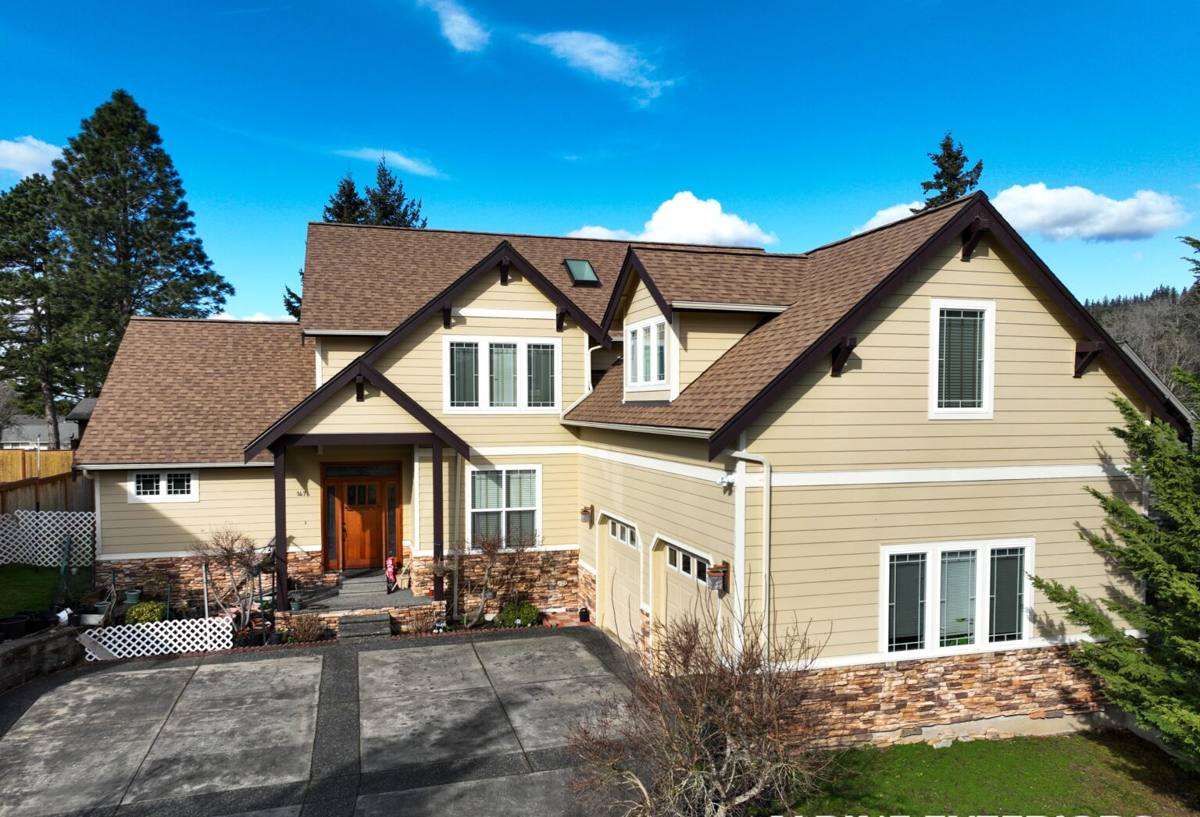
Signs a Conway Deck Needs Replacement, Not Another Repair
Homeowners often ask us to patch a deck when the smarter money is a full replacement. Here's how to tell which one you actually need.
- Soft or spongy spots in the decking surface, especially near the house or at board ends — usually means rot has reached the framing below, not just the surface board.
- Persistent green or black staining on the decking that comes back within weeks of cleaning — a sign moisture isn't draining, not just a surface-cleaning problem.
- Rust streaks running down from fasteners or hardware — the fasteners were under-rated for this climate and are already failing inside the wood.
- Visible gap or movement where the deck ledger meets the house — this is the single most common structural failure point we find, and it's a safety issue, not cosmetic.
- Railings or posts that flex or wobble under normal weight — code requires these to hold real lateral load, and flex usually means the post connection has already failed.
If what you're seeing is limited to a few worn boards on an otherwise sound frame, repair can make sense. If the ledger, joists, or posts are involved, replacement is almost always the more honest answer — patching a failing frame just delays the real cost.
What a Correct Deck Replacement Actually Involves
The Ledger Connection
This is where a deck attaches to the house, and it's the single most important detail on the entire project. In a climate with this much driving rain, the ledger needs proper flashing that sheds water away from the house wall rather than trapping it behind the decking. We've opened up enough old decks in this area to say plainly: a poorly flashed ledger is the most common cause of hidden rot we find, and it's almost always invisible from the surface until the damage is well established.
Footings and Framing
Footings need to be sized and set to local frost depth and soil conditions, not guessed at. Joist spacing should match the actual decking material being installed — composite and PVC boards often call for tighter joist spacing than solid wood, and using a wood-spec layout under composite decking is a common corner-cutting mistake that shows up as bounce and premature sagging.
Fasteners and Hardware
Everything below the decking surface — joist hangers, structural screws, post bases — should be rated for wet, corrosive exposure. In a salt-air environment, the difference between standard coated fasteners and hardware rated for coastal or wet exposure shows up in five to ten years, not right away, which is exactly why it's easy for a lower bidder to skip it.
Drainage Underneath
A deck built low to the ground, or over a patio, needs a real plan for where water goes once it passes through the decking gaps. Standing water under a deck is what feeds moss, mildew, and slow rot in the framing above it.
Decking Material Options for This Climate
There's no single "best" decking material — there's a best material for your budget, your maintenance appetite, and how much moss and moisture exposure your specific yard gets. Here's how the common options actually compare for a Conway-area install.
| Material | Moisture & Moss Behavior | Maintenance | Typical Lifespan | Cost Tier |
|---|---|---|---|---|
| Pressure-treated wood | Absorbs moisture into the grain; needs regular sealing to resist moss and warping | Annual cleaning and re-sealing recommended | 10-15 years with upkeep | Lowest |
| Cedar | Naturally rot-resistant but still absorbs moisture; can gray and grow moss without upkeep | Periodic cleaning and finish reapplication | 15-20 years with upkeep | Mid |
| Composite decking | Sheds surface moisture better than wood; can still grow surface algae in shaded, damp spots without cleaning | Occasional washing, no sealing or staining | 25+ years | Mid-High |
| PVC / capstock boards | Best moisture and moss resistance of the group; doesn't absorb water into the board | Lowest — occasional rinse | 25-30+ years | Highest |
We don't push one material on every homeowner. A shaded, low-airflow deck in Conway's wetter months is a poor candidate for untreated wood no matter the budget, while a sunnier, more exposed deck can do fine with cedar or treated lumber if the owner is willing to keep up with sealing. We'll tell you honestly which category fits your site and your maintenance habits, rather than upselling the most expensive option by default.
Our Deck Replacement Process
- On-site assessment. We look at the existing ledger, framing, footings, and drainage before quoting anything — a deck's problems are usually below the decking, not on top of it.
- Honest scope. We tell you plainly whether you need a full tear-out or whether the frame is salvageable and only the decking and railings need replacing.
- Permit handling. We pull the required permit and build to current code for footings, ledger attachment, and guardrail height and spacing.
- Demolition and disposal. Old decking, framing, and hardware removed and hauled off — we don't leave debris for you to deal with.
- Framing and flashing. New footings, joists, and a properly flashed ledger connection, built to shed water rather than trap it.
- Decking and railing install. Installed to the manufacturer's spacing and fastening specs for whichever material you've chosen.
- Final walkthrough. We go over the finished deck with you, including what maintenance (if any) the material needs going forward.
Permits and Code in the Local Area
Deck replacement work in Skagit County, including the unincorporated areas around Conway, generally requires a building permit once the deck is attached to the house or exceeds a certain height and size threshold — the exact requirements depend on your specific jurisdiction and the deck's dimensions. Guardrail height, baluster spacing, and stair rise-and-run are code items that inspectors check closely, and they're also the details that matter most for actual safety. We handle the permit process as part of the job rather than treating it as optional paperwork, because a deck built without one can complicate things later if you sell the home or need insurance documentation.
Maintenance Checklist to Extend a New Deck's Life
Even the best-built deck benefits from a little seasonal attention in a climate like this. A short list we give every homeowner:
- Clear leaves and debris from between decking boards before the wet season sets in — trapped debris holds moisture against the wood.
- Rinse or sweep moss and algae off the surface as soon as it appears, rather than letting it establish over a full damp season.
- Check the ledger flashing area and any spots where the deck meets the house once a year for staining or soft wood.
- Keep gutters and downspouts near the deck clear so runoff isn't dumping extra water onto or under the deck structure.
- For wood decking, reapply sealant or stain on the manufacturer's recommended schedule — don't wait until it's visibly gray and dry.
- Tighten or inspect railing post connections annually; this is the one structural check every homeowner can do themselves.
Why a Crew That Already Works Conway Matters
A deck replacement is a structural project as much as a cosmetic one, and the details that fail first — ledger flashing, fastener choice, footing depth — are exactly the details that don't show up in a photo or a quick estimate. A crew that regularly works this part of Skagit County has already seen how the local combination of salt air, sustained rain, and moss season plays out on decks over the following five, ten, and fifteen years. That's not a marketing point — it's the difference between building to a generic spec sheet and building to what this specific climate actually does to a structure over time.
We're an Anacortes-based crew, and Conway is well within the area we regularly work. If you're weighing a repair against a full replacement, or just want a straight answer on what your existing deck actually needs, we're happy to take a look and give you a clear, no-pressure estimate using the form below.