 Anacortes Roofing
 Deck Repair Built for La Conner's Waterfront Climate
La Conner sits right on the Swinomish Channel, which means decks here take a beating that inland Skagit County homes simply don't see. Salt-laden air off the water accelerates corrosion on every metal fastener, bracket, and post base. Driving rain off Puget Sound drives moisture sideways into ledger boards and rim joists. And the long, gray moss season that defines western Washington winters turns any shaded or north-facing deck surface into a slip hazard and a slow-motion wood-rot problem. A deck repair here isn't just cosmetic work — it's a chance to correct the specific weaknesses that this environment exposes.
Anacortes Roofing Co works decks throughout La Conner and the surrounding Skagit County waterfront, and we see the same failure patterns repeat house after house. Understanding those patterns is what separates a repair that lasts from one that just covers up the symptom for a season or two.
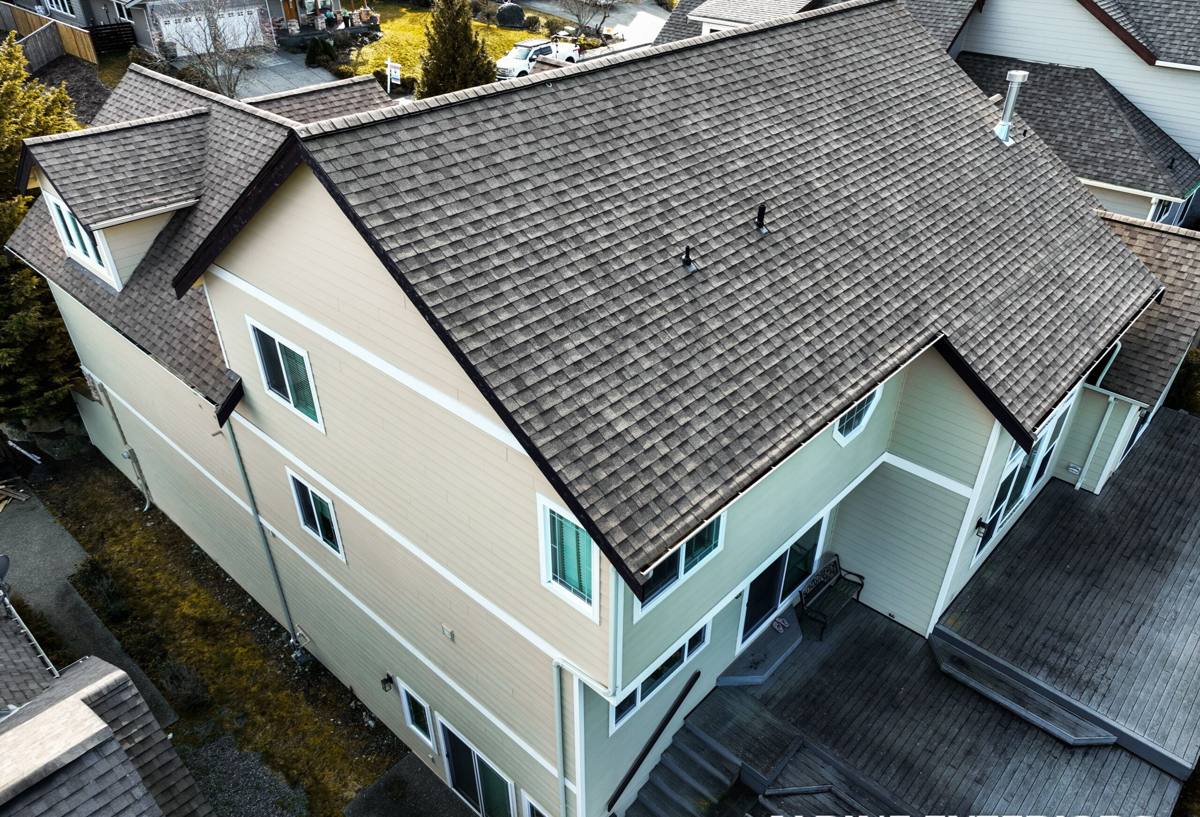
What Salt Air and Marine Moisture Do to a Deck
Coastal and channel-adjacent property in La Conner deals with a slow, steady corrosive load that most inland decks never experience. It shows up in predictable ways:
- Galvanized nails and screws that rust and streak the decking within a few years, especially where the coating was scratched during original installation
- Joist hangers and structural connectors that corrode from the inside out, often long before any visible rust shows on the surface
- Aluminum or lower-grade railing hardware that pits and weakens faster than the manufacturer's stated lifespan would suggest
- Fastener heads that back out or shear off because the metal has thinned, leaving deck boards loose underfoot
The fix isn't complicated, but it does require using the right materials the first time. On every La Conner repair, we specify stainless steel or heavy-duty coated fasteners rated for coastal exposure, not the standard hardware that's fine sixty miles inland. It costs a little more up front and saves a full re-fastening job in five years.
Driving Rain and the Ledger Board Problem
Most deck failures we find in this area don't start in the decking boards — they start at the ledger board, where the deck attaches to the house. Wind-driven rain off the channel gets pushed sideways and upward under poorly flashed ledger connections, and once water gets behind that board, it sits there. The wood softens, fasteners lose their grip, and in worst cases the deck's structural attachment to the house is compromised without any obvious sign from the top side.
A proper ledger inspection means pulling a few boards or accessing the rim joist from below (crawlspace or basement, if available) to check for soft wood, staining, or fastener corrosion before we ever touch the visible surface.
Moss, Shade, and the Slip-Hazard Season
La Conner's tree cover and channel-side humidity mean many decks stay damp for weeks at a time in fall and winter, especially on north- or east-facing sides of a house. That's exactly the condition moss and algae need. Left alone, moss does two things: it holds moisture directly against the wood surface, accelerating rot underneath the growth, and it turns the deck into a genuine slip hazard on wet mornings.
Pressure washing alone doesn't solve this — it strips the moss but doesn't address why it grew back last year and will grow back again. A real fix combines cleaning with:
- Correcting drainage so water doesn't pool or sheet across shaded boards
- Opening up gaps between boards where debris and moisture collect
- Applying a mildewcide-treated sealer or stain rated for Pacific Northwest conditions
- Trimming back vegetation where practical to improve airflow and sun exposure
Common Deck Repair Needs We See in La Conner
| Issue | What Causes It | Typical Repair Approach |
|---|---|---|
| Soft or spongy boards | Trapped moisture under moss growth or failed sealant | Board replacement, improved drainage, resealing |
| Rusted fasteners and hardware | Salt air corrosion over years of exposure | Replace with stainless or marine-grade fasteners |
| Loose or wobbly railing | Corroded post connections or rot at the post base | Reinforce or replace post connections, upgrade hardware |
| Ledger board separation or staining | Wind-driven rain intrusion at the house connection | Re-flash ledger, replace damaged framing, reseal |
| Slippery, discolored surface | Moss and algae buildup in shaded areas | Clean, treat, and apply mildew-resistant finish |
| Cracked or splitting boards | UV exposure combined with repeated wet/dry cycling | Selective board replacement |
How We Approach a Deck Repair Visit
1. Full Structural Walk-Through
Before we talk about surface repairs, we check what's underneath: post footings, beam condition, joist spacing and condition, and the ledger connection. A deck can look fine on top and still have a structural issue developing below — this is where marine climate damage most often hides.
2. Surface and Hardware Assessment
We check every board for soft spots, cracking, and cupping, and every fastener and bracket for corrosion. In La Conner specifically, we pay close attention to any hardware that wasn't originally rated for coastal exposure, since that's the most common source of repeat failures.
3. Honest Repair-vs-Replace Recommendation
Not every deck needs a full rebuild, and we won't tell you it does. If the framing is sound and the issues are isolated to boards, fasteners, or finish, we'll say so. If the structural members are compromised, we'll explain exactly what we found and why replacement of those specific components is the safer path.
4. Repair Work
Depending on scope, this typically includes replacing damaged boards, upgrading to coastal-rated fasteners and connectors, correcting flashing at the ledger, improving drainage, and refinishing the surface with a product suited to shaded, moisture-heavy conditions.
5. Maintenance Guidance
Every deck we repair in this area gets a plain-language rundown of what to watch for going forward — moss regrowth spots, drainage points to keep clear, and a realistic resealing schedule given the local climate.
What a Correct Repair Actually Involves
A lasting deck repair in this climate isn't just swapping a few boards. It means treating the whole system — framing, fasteners, flashing, drainage, and finish — as connected parts. Skip the fastener upgrade and you'll be back in a few years chasing rust stains. Skip the drainage correction and the moss comes right back. We build the repair scope around the actual cause we find on your deck, not a standard package applied the same way to every job.
Cost Factors Worth Understanding
Deck repair costs in La Conner vary widely depending on scope, and we'd rather explain the drivers than throw out a number that doesn't apply to your situation:
- Extent of structural damage — isolated board replacement costs far less than framing or ledger repair
- Accessibility — decks over water, steep grades, or tight waterfront lots can add labor time
- Material choice — matching existing wood decking versus upgrading to a composite for the repaired sections
- Hardware upgrade scope — how much of the fastener and connector system needs replacing to meet coastal-grade standards
- Finish system — basic sealant versus a full mildew-resistant stain system
We provide a written estimate that breaks these out so you know exactly what you're paying for and why.
Deck Repair Checklist for La Conner Homeowners
Before calling for an estimate, a quick self-check can help you describe the problem accurately and get a more useful conversation started:
- Are any boards visibly soft, spongy, or discolored when stepped on?
- Is there rust staining running down from fasteners or brackets?
- Does the railing feel loose or move when you lean on it?
- Is there persistent moss or green growth in shaded areas, even after cleaning?
- Is there any staining or gap visible where the deck meets the house?
- Has it been more than 3-4 years since the deck was last resealed or stained?
- Do you notice standing water anywhere on the deck surface after rain?
If you checked more than one or two of these, it's worth having a crew take a real look rather than waiting for a small issue to become a structural one.
Why a Local Skagit County Crew Matters Here
Deck repair advice that works for a dry, inland climate doesn't automatically translate to a channel-front property in La Conner. A contractor unfamiliar with the area might spec standard hardware, miss the early signs of ledger moisture intrusion, or recommend a finish that won't hold up against this much sustained dampness. We work waterfront and near-waterfront properties throughout Skagit County regularly, so the coastal-specific choices — fastener grade, drainage detailing, moss-resistant finishing — aren't an afterthought. They're built into how we scope every job from the start.
We're also close enough to La Conner to show up for the initial assessment, do the work, and come back if a follow-up question comes up later, without treating your project as a one-off drive-in job.
Get a Straightforward Look at Your Deck
If your La Conner deck is showing rust stains, soft boards, persistent moss, or just needs an honest assessment after a few winters of driving rain, we're happy to take a look. Use the form below to request a free, no-pressure estimate — we'll tell you plainly what we find and what it would take to fix it right.