 Anacortes Roofing
 Why Conway Homes Need Windows Built for This Climate
Conway sits low in the Skagit River delta, close enough to Skagit Bay and Puget Sound that the air carries salt and moisture most of the year. Add driving rain off the water, steady wind across open farmland, and a moss season that stretches longer here than in drier parts of the state, and you've got conditions that are hard on every part of a house — windows included. Old single-pane or poorly sealed windows don't just waste energy in this environment; they let in the damp, and damp is what causes the real damage.
We install energy-efficient windows for homeowners throughout the Conway area with that reality in mind. The right window, installed correctly, does two jobs at once: it keeps conditioned air where it belongs, and it keeps Skagit County's weather out of your wall cavities.
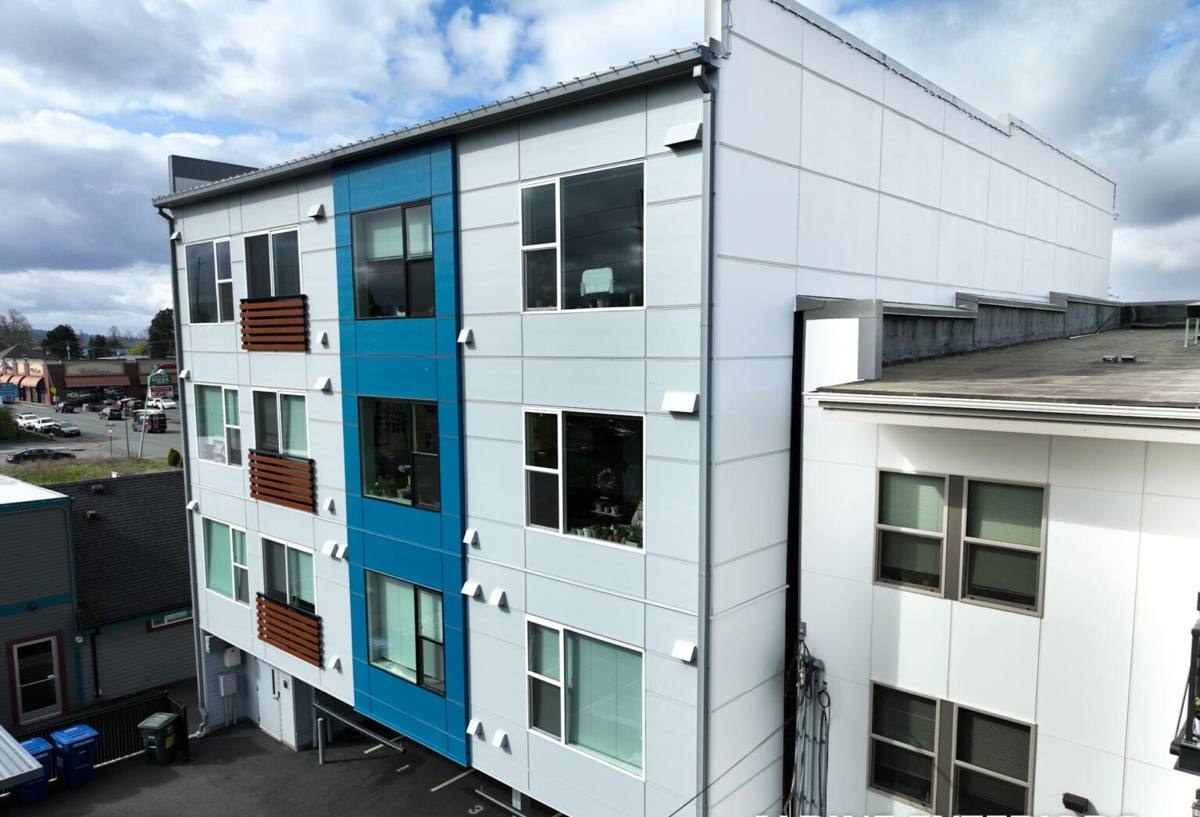
What Aging or Poorly Sealed Windows Are Actually Costing You
Most homeowners notice the obvious signs first — a draft near the couch, a window that's hard to latch, glass that fogs up on a cold morning. Those are symptoms of bigger problems that tend to build slowly:
- Energy loss. Single-pane glass and worn weatherstripping let conditioned air escape year-round, which shows up directly in your heating bill.
- Condensation and hidden moisture. Warm indoor air meeting a cold, leaky window creates condensation on the glass and inside the frame — and in a climate this humid, that moisture doesn't dry out quickly.
- Wood rot at the sill and jamb. Once water finds its way behind old flashing or failed caulk, it sits there. By the time it's visible, the framing underneath is often already soft.
- Comfort problems. Cold spots near windows, uneven room temperatures, and noise transfer are all signs the window is no longer doing its job as a barrier.
None of this happens overnight. It's the slow accumulation of a lot of wet seasons, which is exactly why replacement timing matters more here than in a milder climate.
What "Energy-Efficient" Actually Means
The term gets used loosely, so it's worth explaining what we actually look at when we're speccing a window for this area.
U-Factor
This measures how well a window resists heat transfer — the lower the number, the better it keeps warm air inside during our long wet winters. For Skagit County, U-factor is usually the single most important number on the label, because our climate is driven more by heat retention than by keeping heat out.
Solar Heat Gain Coefficient (SHGC)
This measures how much solar heat passes through the glass. It matters less here than it would in a hot, sunny climate, but it's still worth getting right on south- and west-facing windows, especially on homes with less tree cover along open farmland.
Air Leakage Rating
This tells you how much air passes through the window assembly itself. In a windy, exposed area, a low air-leakage rating is what actually stops drafts — not just the glass, but the frame and seal.
Glass Technology
Low-E (low-emissivity) coatings, argon or krypton gas fills between panes, and warm-edge spacers all work together to improve insulating performance. We'll walk you through which combination makes sense for your home rather than upselling every option available.
Frame Materials: What Holds Up in a Wet, Salt-Air Climate
Frame material affects how a window performs over decades, not just on install day. Here's how the common options compare for a Conway-area home:
| Material | Moisture Resistance | Insulation Value | Maintenance |
|---|---|---|---|
| Vinyl | Very good — won't rot or corrode | Good, with multi-chamber designs | Low; no painting or sealing needed |
| Fiberglass | Excellent — stable in wet, humid conditions | Very good, low expansion/contraction | Low; holds paint well if color changes are wanted |
| Wood-clad | Good on the exterior face, but vulnerable if cladding is breached | Very good | Higher; interior wood and any exposed joints need monitoring |
| Aluminum | Resists rot but conducts cold without a thermal break | Poor unless thermally broken | Low, but prone to condensation without upgrades |
We don't push one material on every home. A lot depends on your home's exposure, existing trim details, and budget. What we do steer clients away from is any frame or installation approach that traps moisture against wood framing in a climate that rarely gives that moisture a chance to dry out — that's a maintenance and warranty headache regardless of brand.
Why the Installation Matters as Much as the Window
A high-efficiency window installed poorly will underperform a mid-grade window installed correctly — every time, and especially here. Driving rain finds gaps that would never be an issue in a drier climate. The details that actually determine long-term performance include:
- Proper sill pan flashing so any water that does get past the exterior seal drains out, not into the wall
- Correct integration with your home's house wrap or weather-resistive barrier, lapped the right direction
- Sealants and backer rod rated for exterior exposure, not general-purpose caulk
- Square, plumb shimming so the sash operates correctly and seals evenly for the life of the window
- Insulating the gap between the frame and rough opening without overpacking it, which can bow the frame
This is the part of the job that doesn't show up in a product brochure, but it's the difference between a window that performs for 20-plus years and one that starts leaking behind the trim in three.
Our Process for Conway Window Projects
We keep the process straightforward and give you honest information at each step:
- On-site assessment. We look at your existing windows and the framing around them — including any signs of past moisture intrusion — before recommending anything.
- Product recommendation. Based on your home's orientation, exposure to wind and rain, and budget, we recommend frame material and glass package options without steering you toward the most expensive option by default.
- Installation. We flash, seal, and insulate each opening properly, with attention to how the new window ties into your existing siding and weather barrier.
- Cleanup and haul-away. Old windows and job debris are removed; we don't leave a mess for you to deal with.
- Final walkthrough. We check operation, seals, and finish work with you before calling the job done.
Signs Your Conway Home May Be Ready for New Windows
- Condensation or fogging between the panes of a double-pane window (a sign the seal has failed)
- Windows that are difficult to open, close, or lock
- Visible soft or discolored wood at the sill or bottom corners of the frame
- Single-pane glass, especially in rooms that feel cold or drafty
- Noticeable draft when standing near a closed window on a windy day
- Rising heating bills without a clear explanation
- Exterior caulking or trim around the window that's cracked, gapped, or missing
If you're seeing two or more of these, it's worth having the windows looked at before another wet season adds to the damage.
What Affects the Cost
Every home is different, so we won't quote a number without seeing the job, but these are the main factors that move the price:
| Factor | Why It Matters |
|---|---|
| Number of windows | Larger projects typically bring a better per-window rate |
| Frame material | Vinyl is generally the most budget-friendly; fiberglass and wood-clad cost more upfront |
| Glass package | Double-pane vs. triple-pane, and the specific Low-E coating, both affect price and performance |
| Size and shape | Custom or oversized openings cost more than standard sizes |
| Installation complexity | Full-frame replacement or any rot repair at the opening adds labor beyond a straightforward swap |
We'll break down these factors specifically for your home so you understand what you're paying for and where the trade-offs are, rather than handing you a single bottom-line number.
Why Hiring a Crew That Already Works in Conway Matters
Window performance in this part of Skagit County depends on getting the details right for our specific conditions — wind exposure off the flats, humidity that lingers, and a rainy season that tests every seal you install. A crew that works this area regularly knows what actually holds up here versus what looks good on paper. We're also around after the job is done if a question comes up down the road, which matters more in a climate that puts a home's exterior to the test every single winter.
If your Conway home has drafty, foggy, or aging windows, we're happy to take a look and give you straight answers about what it would take to fix it. Reach out for a free, no-pressure estimate using the form below.