 Anacortes Roofing
 Why Fidalgo Island Puts Extra Demands on a Window
Fidalgo Island sits right where the Salish Sea meets Skagit County's marine weather, and that location is hard on building materials in ways that inland homes never deal with. Salt-laden air corrodes exposed metal hardware and hinges faster than people expect. Wind-driven rain off the water doesn't just fall straight down — it gets pushed sideways into window frames and can find its way through seals and flashing that would hold up fine in a drier climate. And the long, damp shoulder seasons here mean moss and algae get a foothold on north-facing trim, sills, and anything that stays shaded and wet for weeks at a time.
None of that is a reason to panic about your windows. It's a reason to be specific about what "energy-efficient" needs to mean for a house on this island, as opposed to a generic checklist pulled from a manufacturer's brochure written for a different climate zone.
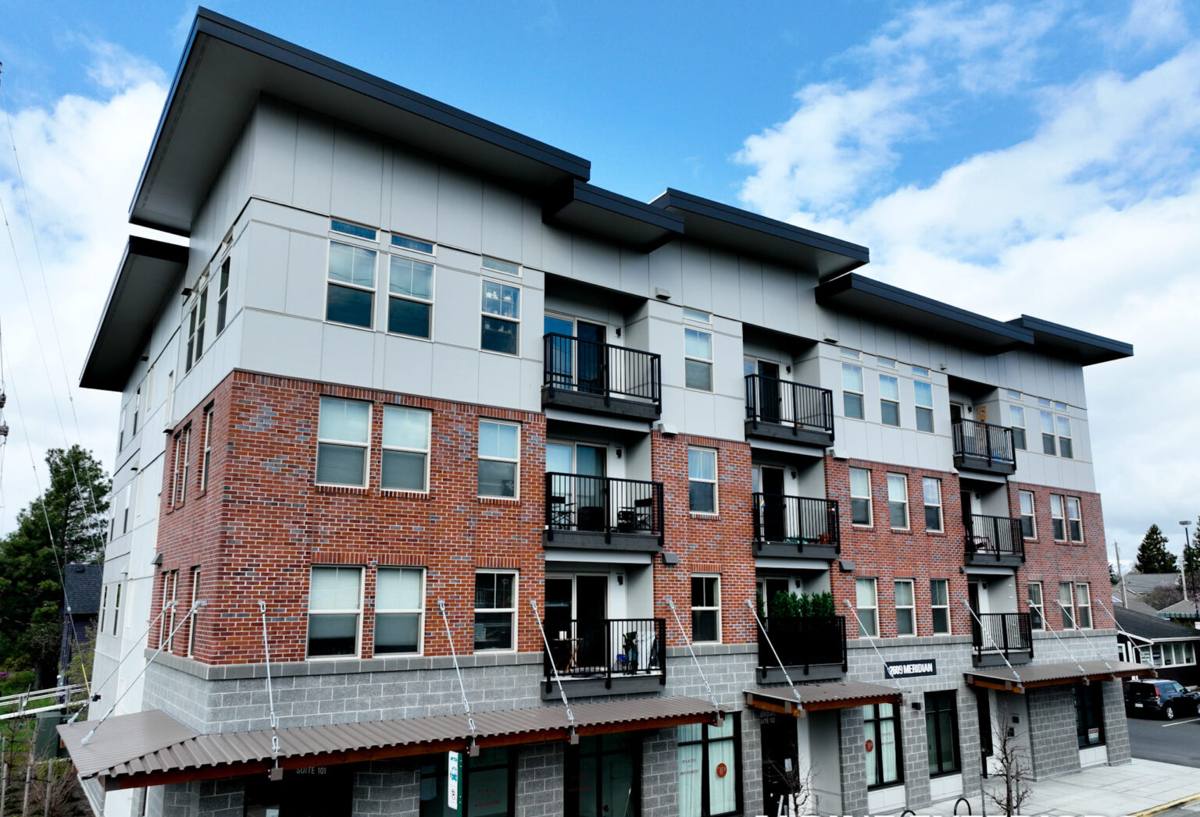
What Energy-Efficient Actually Means in This Climate
"Energy-efficient" gets used loosely in the window business. On Fidalgo Island, it should translate into a short list of real, measurable things:
U-Factor (Heat Loss)
U-factor measures how much heat escapes through the window. Lower is better. In our climate, where winters are wet and cool rather than brutally cold, a moderate-to-low U-factor keeps heating costs down without needing the extreme cold-climate glass packages sold in places that see hard freezes every winter.
Solar Heat Gain Coefficient (SHGC)
SHGC measures how much solar heat passes through the glass. Because Puget Sound summers are mild and cloud cover is common much of the year, homeowners here generally benefit more from balanced SHGC than from the very low SHGC glass pushed in hot, sunny climates — you actually want some solar warmth on the clear days.
Low-E Coatings and Gas Fill
A quality low-emissivity (Low-E) coating and argon or krypton gas fill between panes both improve insulation value without changing how the glass looks. These are standard on any decent double- or triple-pane window today, and they matter more here than curb-appeal upgrades like tinted or reflective glass.
Air and Water Sealing
This is the part that matters most for our weather specifically. A window can have excellent glass specs on paper and still perform poorly if the frame isn't sealed and flashed correctly against wind-driven rain. On Fidalgo Island, installation quality around the perimeter of the window often matters more than which glass package you choose.
Problems We Commonly See on Older Fidalgo Island Homes
When we're called out to look at windows on the island, a handful of issues show up again and again:
- Fogging or a cloudy haze between panes, meaning the seal on a double-pane unit has failed and the insulating gas has escaped
- Soft or discolored wood at the sill and lower corners from years of moisture intrusion
- Aluminum-frame windows from older construction that conduct cold and sweat with condensation on damp days
- Chalky, pitted, or corroded hardware — latches, cranks, and hinges — from long-term salt air exposure
- Moss or dark staining building up on exterior trim and sills that stay shaded and wet
- Drafts around the frame that point to failed weatherstripping or a sealant joint that was never installed correctly
Any one of these can usually be repaired if caught early. Left alone, most of them eventually mean full window and sometimes sill or framing replacement.
Choosing a Frame Material for This Climate
Frame material affects how a window handles moisture, salt air, and long-term maintenance more than most homeowners realize. There's no single "best" choice — it depends on your home's exposure, your maintenance appetite, and your budget.
| Frame Material | How It Handles Our Climate | Maintenance |
|---|---|---|
| Vinyl | Won't rot or corrode; performs well against moisture and salt air; can expand/contract with temperature swings | Low — occasional cleaning |
| Fiberglass | Very stable in wet, variable weather; strong resistance to warping and moisture damage | Low |
| Wood-clad | Attractive interior wood look with an exterior shell protecting against rain; exposed wood is a liability here | Moderate — depends on cladding condition |
| Aluminum | Prone to condensation and corrosion in salt air unless thermally broken; generally not our first recommendation for this island | Moderate to high |
We're upfront with homeowners when a product isn't the right fit for a specific exposure — for example, an unclad wood frame on a wall that takes direct wind-driven rain is going to need more upkeep than most people want to sign up for. That's not a knock on the product; it's a mismatch with the site, and we'd rather tell you that before installation than after.
How the Job Actually Works
A correct window install has more steps than most homeowners expect, and skipping any of them is where leaks and premature failures come from.
- On-site assessment — we look at each opening, check for existing water damage or soft framing, and measure precisely rather than relying on standard sizes
- Product selection — we walk through frame material, glass package, and hardware options based on that specific wall's exposure to wind and rain
- Removal of the old unit — done carefully to expose the rough opening and check the condition of the framing and sill underneath
- Repair of any hidden damage — rotted sill material or compromised sheathing gets addressed before a new window ever goes in; installing a new window over damaged framing just hides the problem
- Flashing and weatherproofing — proper flashing tape and sealant sequencing so water is directed out and away from the wall, not trapped behind the new window
- Setting and shimming the window — leveled and secured so it operates smoothly and seals evenly around the entire frame
- Insulating the gap — the space between the window frame and rough opening gets properly insulated, not left as an air gap or overpacked with foam
- Interior and exterior trim and sealant — finished to shed water on the exterior and give a clean, finished look inside
- Final operation check — every window is opened, closed, and locked to confirm smooth function before we call the job done
What Affects the Cost
Every home and every opening is different, so we don't quote window jobs off a flat per-window number. These are the main factors that move the price up or down:
| Factor | Why It Matters |
|---|---|
| Window size and quantity | Larger openings and whole-house replacements naturally cost more per project, though often less per window |
| Frame material | Vinyl is typically the most budget-friendly; fiberglass and wood-clad cost more upfront |
| Glass package | Double-pane vs. triple-pane, and Low-E and gas-fill options, affect both cost and long-term energy performance |
| Condition of the existing opening | Rot or framing damage found during removal adds repair work that a straightforward swap wouldn't need |
| Access and building height | Second-story or hard-to-reach windows take more time and equipment than ground-level installs |
| Trim and finish work | Matching existing interior trim or upgrading exterior trim adds labor and material |
We give straightforward, itemized estimates so you can see exactly what's driving the number, rather than one lump figure.
Signs It's Time to Replace
Not every window issue means full replacement — some are legitimate repairs. Use this as a rough guide before you decide which route makes sense:
- Visible fog or moisture trapped between panes — the seal is gone and the insulating value with it; this is a replacement, not a repair
- Soft, spongy, or discolored wood at the sill or frame corners — often repairable if caught early, but can mean replacement if it's spread into the wall framing
- Windows that won't stay open, lock securely, or operate smoothly — sometimes hardware, sometimes a sign the frame itself has shifted or warped
- Noticeable drafts even with the window fully closed and locked
- Rooms that are consistently colder near the windows than the rest of the house
- Condensation forming on the inside of the glass regularly during our wetter months
- Visible corrosion or pitting on hardware that affects function, not just appearance
Why a Crew That Already Works Fidalgo Island Makes a Difference
Window installation isn't a one-size-fits-all trade, and a crew that's worked plenty of homes on this specific island brings a few real advantages. We already know how wind-driven rain behaves against different wall orientations here, so flashing and sealant details get planned for that from the start rather than treated as an afterthought. We're familiar with the moss and algae patterns that build up on shaded trim in this climate, and we account for that in how we finish and detail the exterior. And because we're local, warranty callbacks or adjustment visits don't mean waiting on a crew that has to drive in from out of the area — we're already here.
Skagit County and City of Anacortes building requirements also come into play for many window replacement projects, particularly when structural framing or egress requirements are involved. A local crew that handles this regularly won't be learning the process on your project.
If your Fidalgo Island home has windows showing any of the signs above, or you're just ready to stop losing heat and dealing with drafts through another wet season, we're glad to take a look. We offer free, no-pressure estimates — walk us through what you're seeing, and we'll give you an honest read on what's actually needed, no upsell required. The form below is the easiest way to get started.