 Anacortes Roofing
 Windows Built for Life on Guemes Island
Guemes Island sits just across the water from Anacortes, reached only by a short ferry crossing, and that separation changes how a home should be built and maintained. Windows on the island take on a harder job than windows a few miles inland in Skagit County. They face salt-laden air coming off the surrounding waters, wind-driven rain that hits siding and glazing at an angle instead of straight down, and a long, damp moss season that keeps north- and west-facing surfaces wet for weeks at a time. A window that would perform fine in a sheltered subdivision can fail early out here if it wasn't chosen and installed with those conditions in mind.
This page covers what energy-efficient window replacement actually involves for a Guemes Island home — the material and installation details that matter, how we handle the logistics of working on the island, and what to look for so you end up with windows that hold up rather than windows that just look good on installation day.
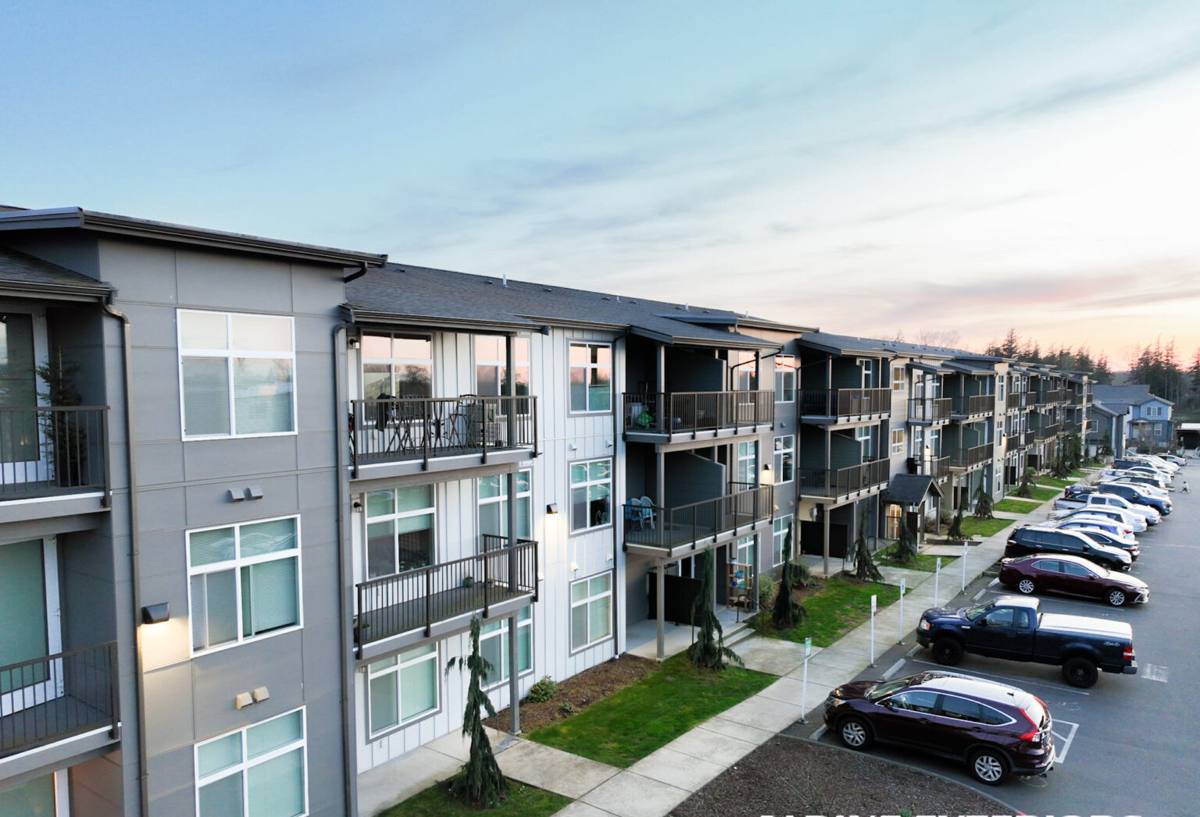
What Salt Air, Driving Rain, and Moss Actually Do to Windows
It helps to understand the specific ways coastal exposure wears on a window, because it explains why certain shortcuts that work elsewhere don't work here.
Salt Air and Corrosion
Airborne salt is conductive and mildly corrosive. It settles into hardware — hinges, locks, balance mechanisms, and screws — and accelerates rust and pitting on anything that isn't rated for coastal use. Cheaper fasteners and hardware can start seizing or staining within a few years on a waterfront or near-waterfront lot, long before the glass or frame itself would normally need attention.
Wind-Driven Rain and Water Intrusion
Rain that comes in sideways during a Skagit County storm doesn't behave like rain falling straight down. It gets pushed up under trim, into gaps around the frame, and behind siding that isn't properly lapped. Most window failures we see on the island aren't glass failures at all — they're water management failures: missing or poorly lapped flashing, caulk used as a substitute for flashing, or a rough opening that wasn't sealed correctly before the window ever went in.
Moss, Shade, and Sustained Moisture
Many Guemes Island lots are wooded or partially shaded, and combined with our marine climate, that means some walls and window surfaces stay damp far longer after a storm than a south-facing wall in the open would. Moss and algae take hold in that sustained moisture, and where it grows on sills, trim, or nearby siding, it holds water against the wood and finish. Over time that shortens the life of anything not detailed to shed water quickly.
What a Correctly Installed Energy-Efficient Window Involves
"Energy-efficient" gets used loosely in this industry. A window is only as efficient as its weakest link — the glass package, the frame, and the installation all have to work together.
Frame Material
Frame choice matters more here than in a drier, inland climate. Vinyl frames handle moisture well and don't corrode, which is a real advantage near the water, though quality varies a lot between manufacturers. Fiberglass frames are dimensionally stable and hold up well to temperature swings and coastal exposure, generally at a higher price point. Wood and wood-clad frames offer a traditional look but need more diligence with finishing and maintenance in a climate this damp — we're honest with clients about that added upkeep before they commit to one.
Glass Package
The glass does most of the actual energy-efficiency work. Look for a low U-factor (how well the window resists heat loss — lower is better in our climate), an appropriate Solar Heat Gain Coefficient for the exposure, and a warm-edge spacer between the panes, which resists condensation and seal failure better than older aluminum spacers. Argon gas fill between panes adds a meaningful insulation boost for a modest cost.
Flashing and Water Management
This is the step that separates a window that lasts from one that doesn't. Correct installation means integrating window flashing with the building's weather-resistive barrier in the right shingle-lap order — sill pan first, then side flashing, then head flashing over the top — so any water that does get behind the trim drains back out instead of pooling against the rough opening. Sealant has a role, but it is never a substitute for proper flashing and drainage.
Comparing Frame Options for Guemes Island Exposure
| Frame Material | Coastal/Salt-Air Durability | Maintenance | Typical Cost Position |
|---|---|---|---|
| Vinyl (quality grade) | Strong — won't rust or corrode | Low | Lower to mid |
| Fiberglass | Very strong — stable in temperature and moisture swings | Low | Mid to higher |
| Wood-clad | Good on the exterior clad face; interior wood needs care | Moderate to higher | Higher |
| Aluminum | Prone to corrosion near salt air unless specially coated | Moderate | Varies |
There's no single right answer for every home — a sheltered inland lot on the island has different needs than an exposed waterfront property. We walk through this table's tradeoffs against your specific site and budget rather than defaulting to one product for every job.
Our Process for Guemes Island Projects
Working on an island reached only by ferry means the job doesn't run like a mainland Anacortes project, and pretending otherwise leads to delays and half-finished work sitting exposed to weather.
Planning Around the Crossing
We plan material deliveries and crew trips so windows, flashing materials, trim, and fasteners all arrive together rather than in scattered trips. That means confirming exact measurements and product selections before we ever load the truck, since a forgotten item can mean an extra ferry crossing and a lost day.
Batching the Work
Where a project involves multiple windows, we sequence the work so openings aren't left open to the weather overnight. On a site with wind-driven rain potential, an opening that's exposed even briefly can lead to water getting into framing that then needs to dry out before we can finish properly.
One Crew, Start to Finish
We keep the same crew on a Guemes Island job from start to finish rather than rotating people in and out, which matters for consistency in the flashing and sealing details that determine how the window performs for the next twenty years.
Signs Your Windows Are Due for Replacement
Homeowners on the island often notice these signs before they notice an actual leak, which is the better time to address them.
- Visible condensation or fogging between panes, which means the seal has failed
- Hardware that's stiff, corroded, or won't latch cleanly anymore
- Soft or discolored wood trim or sills around the window
- Persistent moss or algae buildup on sills or nearby trim that keeps coming back
- Noticeable drafts or a cold feeling near the window even when it's closed
- Difficulty opening, closing, or locking the window smoothly
- Higher heating bills without another clear explanation
- Visible daylight or gaps around the frame from outside
One or two of these on their own might just need a repair. Several together, especially on an older single-pane or early dual-pane window, usually point to replacement being the more cost-effective path.
Why a Crew That Already Works Guemes Island Matters
A contractor who hasn't worked on the island before is learning the logistics on your dime — figuring out ferry timing, underestimating how weather-sensitive an open job site is out here, or showing up without the right materials because the return trip wasn't planned for. A crew that already works Guemes Island regularly has that logistics problem solved before your project starts, which shows up as fewer delays and less exposure time for your home during the work.
It also matters for the technical side. A contractor used to sheltered, inland installs may not default to the coastal-grade flashing sequence and hardware this environment calls for. Experience working directly with Skagit County's marine climate — the salt air, the wind-driven rain, the moss season — should show up in how the job is detailed, not just in the sales pitch.
Energy Efficiency and Cost Factors
A handful of factors drive the real cost of a window project here, beyond the sticker price of the window itself.
| Cost Factor | Why It Matters |
|---|---|
| Number and size of openings | Drives material and labor directly |
| Frame material chosen | Vinyl, fiberglass, and wood-clad price differently |
| Glass package (Low-E, gas fill, panes) | Higher-performance glass costs more upfront, saves on heating over time |
| Condition of existing rough openings | Rot or water damage found during removal adds repair scope |
| Site access and logistics | Ferry scheduling and material staging affect project timeline |
| Trim and exterior finish work | Matching existing siding or trim adds detail time |
We give straightforward, itemized pricing rather than a single lump number, so you can see where the cost is coming from and where there's room to adjust the scope if needed.
Get a Free, No-Pressure Estimate
If your Guemes Island home has windows showing their age, or you're planning ahead before the next stretch of wet Pacific Northwest weather, we're happy to take a look and give you an honest read on what your home actually needs — no pressure, no oversized sales pitch. Use the form below to request a free estimate and we'll get in touch to schedule a visit.