 Anacortes Roofing
 Roof Repair Built for La Conner's Conditions
La Conner sits right up against the Swinomish Channel, and that waterfront setting shapes everything about how a roof ages here. Salt-laden air moves through the area constantly, rain tends to come in sideways off the water during winter storms, and the shade and moisture that keep the surrounding farmland and gardens so green also keep roofs damp long after a storm has passed. A roof repair that works fine in a drier inland part of Skagit County won't necessarily hold up on a home a few blocks from the channel. We treat La Conner repairs as their own category of work, not a smaller version of what we'd do anywhere else in the Anacortes area.
That distinction matters because roof repair is diagnostic work before it's ever construction work. A leak that shows up in a ceiling stain is usually the end result of a problem that started somewhere else on the roof, and finding that starting point correctly is what separates a repair that lasts from one you'll be paying for again next winter.
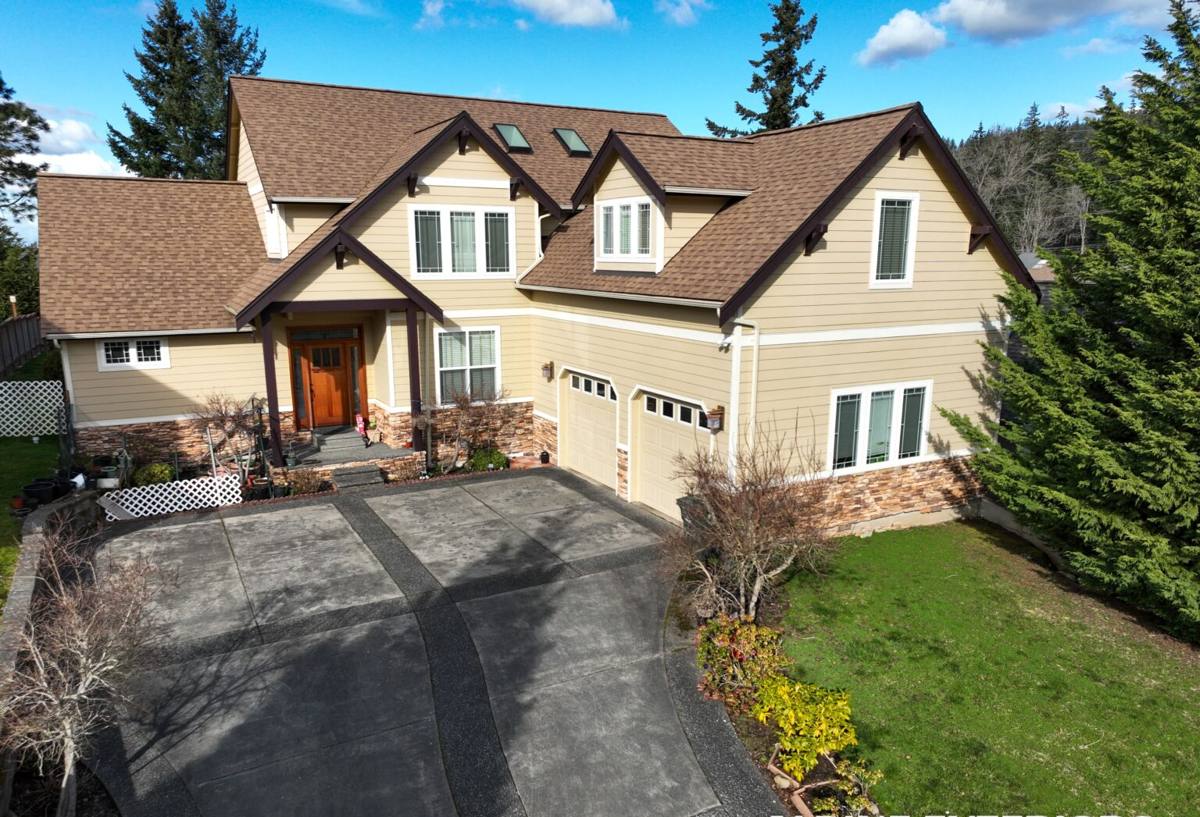
What Makes La Conner Roofs Different
Salt Air and Metal Fatigue
Airborne salt from the channel and the broader Salish Sea accelerates corrosion on anything metal — flashing, fasteners, gutter hardware, and exposed nail heads. On an inland roof, a galvanized fastener might hold up for decades. Near the water, that same fastener can start losing its coating and weeping rust stains within a handful of years, and a corroded nail head is a direct path for water into the roof deck.
Driving Rain and Wind-Driven Moisture
Storms coming off the water tend to push rain sideways rather than straight down, which means water gets tested against vertical surfaces — sidewalls, dormers, chimney flashing, and skylight curbs — far more than on a calm, dry roof. Repairs that only address the horizontal roof plane and ignore these vertical intersections tend to fail again in the next wind event.
A Long Moss Season
Between the marine humidity, shade from mature trees on many older lots, and mild winters, moss has a long growing window here. Moss doesn't just look bad — it lifts shingle edges, holds moisture against the roofing material, and slowly works its way under flashing and into fastener holes. A repair that patches a leak without addressing the moss that caused it is a temporary fix at best.
Common Repair Situations We See
- Flashing that has corroded or pulled loose around chimneys, skylights, and roof-to-wall transitions
- Shingle or shake damage from moss lifting the material at the butt edges
- Fastener corrosion causing loose or "walking" shingles in windy areas near the water
- Soft or damaged decking discovered once we open up a leak area, usually from long-term moisture sitting under moss or debris
- Gutter and edge-metal failures that send water back up under the roofing instead of off the roof
- Older homes with roofing details that were adequate when installed but weren't built for the level of moisture exposure the property actually sees
Quick Patch vs. a Correct Repair
Not all "roof repairs" are the same job. There's a real difference between sealing a visible symptom and actually fixing the cause, and it shows up fastest on marine-exposed roofs like the ones in La Conner.
| Approach | What It Actually Does | Where It Falls Short Here |
|---|---|---|
| Surface sealant / caulk patch | Covers a visible gap or crack temporarily | Salt air and UV break down sealant faster than in drier climates; doesn't address trapped moisture or corroded metal underneath |
| Shingle swap only | Replaces damaged shingles in the affected spot | If moss or a flashing failure caused the damage, new shingles fail the same way on the same timeline |
| Full diagnostic repair | Traces the leak to its source, replaces damaged decking and flashing, matches materials, and addresses the underlying cause (moss, corrosion, wind exposure) | Takes more time up front but is the only approach that actually stops the problem from recurring |
How We Approach a Repair
- Inspect from the ground up and the roof down. We look at attic or ceiling evidence first when accessible, then get on the roof to trace the water's actual path — which is often several feet from where the stain shows up inside.
- Identify the real cause. Corroded flashing, failed fasteners, moss intrusion, or a decking issue each call for a different fix, and we tell you which one it is before we start work.
- Check the surrounding material, not just the damaged spot. If moss or salt exposure caused the failure, nearby areas are usually further along the same path and worth addressing at the same time.
- Use materials and fasteners suited to marine exposure. Where corrosion is a factor, we use fasteners and flashing rated to hold up against salt air rather than standard-grade hardware.
- Match roofing material as closely as possible. On repairs, especially to shake or older shingle roofs, we work to blend the patch into the existing roof rather than leaving an obvious mismatched section.
- Confirm the fix holds under real conditions. We check that water sheds correctly at every flashing point we touched before calling the job done.
Materials and Fasteners for Marine Exposure
Standard galvanized fasteners are fine in a lot of inland settings, but this close to the channel we lean toward corrosion-resistant options — stainless steel fasteners in high-exposure spots, and flashing metals chosen for how they hold up against salt air rather than just upfront cost. It costs a little more at the time of repair. It costs a lot less than redoing the same repair in five years because the hardware corroded first.
What Drives the Cost of a La Conner Roof Repair
We don't quote roof repairs sight unseen because the range is genuinely wide, but these are the factors that move the number up or down:
| Factor | Why It Matters |
|---|---|
| Extent of decking damage | Surface repairs cost far less than jobs that require replacing soft or rotted plywood/sheathing underneath |
| Roofing material | Matching cedar shake, tile, or a discontinued shingle line takes more time and material sourcing than standard architectural shingles |
| Number of flashing points involved | Chimneys, skylights, and multiple roof planes each add labor versus a single open field repair |
| Roof pitch and access | Steeper roofs and difficult access near trees or tight lots take longer and require more safety setup |
| How long the leak went undetected | Water that's been sitting under moss or a failed flashing detail for a season or more often means more hidden damage than a fresh leak |
Moss Season Maintenance Checklist
Between repairs, a few habits go a long way toward keeping a La Conner roof out of trouble during the wet months:
- Keep gutters and downspouts clear so water isn't backing up under the roof edge
- Remove overhanging branches where practical to cut down on shade and debris buildup
- Have moss growth addressed before it thickens, rather than after it's visibly lifting shingles
- Check flashing around chimneys and skylights each fall, before the heavy rain sets in
- Look at attic insulation and ventilation periodically — trapped moisture from poor airflow speeds up moss and rot from the inside out
- Have any ceiling stain or musty smell checked promptly rather than waiting for it to spread
Repair or Replace?
A repair makes sense when the damage is localized and the rest of the roof still has useful life left. Replacement becomes the more honest recommendation when we're finding multiple failure points, widespread decking damage, or a roof that's simply reached the end of its material lifespan and is due for repeated repairs regardless of what we fix today. We'll tell you plainly which category your roof falls into — we don't have a reason to push a repair on a roof that needs replacement, or a replacement on a roof that just needs a solid, correct repair.
Why It Matters That We Already Work in La Conner
A crew that regularly works in La Conner already knows which failure patterns show up on channel-facing roofs versus more sheltered lots, which fastener and flashing choices actually hold up to the local salt exposure, and how aggressive the moss season is in this specific pocket of Skagit County compared to other parts of the Anacortes area. That familiarity shortens the diagnostic part of the job and reduces the chance of a repair that looks fine on installation day but fails again after the first real winter storm off the water.
It also means faster response. Roof leaks rarely wait for convenient timing, and having a crew that's already working in and around La Conner regularly makes it easier to get someone out to look at a problem before it turns into a bigger one.
Get a Straight Answer on Your Roof
If you're dealing with a leak, missing shingles, or moss that's gotten ahead of you, we're happy to take a look and give you an honest read on what's actually going on — no pressure, no inflated scope. Fill out the form below to schedule a free estimate for your La Conner roof repair.