 Anacortes Roofing
 Why La Conner Homes Wear Out Windows Faster Than You'd Expect
La Conner sits right on the water, and that changes what a window has to survive. Homes just a few miles inland in Skagit County go through wet winters like the rest of western Washington, but La Conner adds salt air off the Swinomish Channel, more direct exposure to driving rain, and a moss season that seems to start earlier and last longer every year. None of that is dramatic on its own. It's the slow, steady combination that wears out old windows years before a homeowner expects it.
We're an Anacortes-based crew, and La Conner is inside our regular service area, not a special trip. That matters more than it sounds like it should, because window failure here doesn't always look the way it does in drier climates. It shows up as soft wood you can press a thumb into, hardware that's gone stiff or rusted, and glass that fogs between the panes long before the frame looks obviously bad.
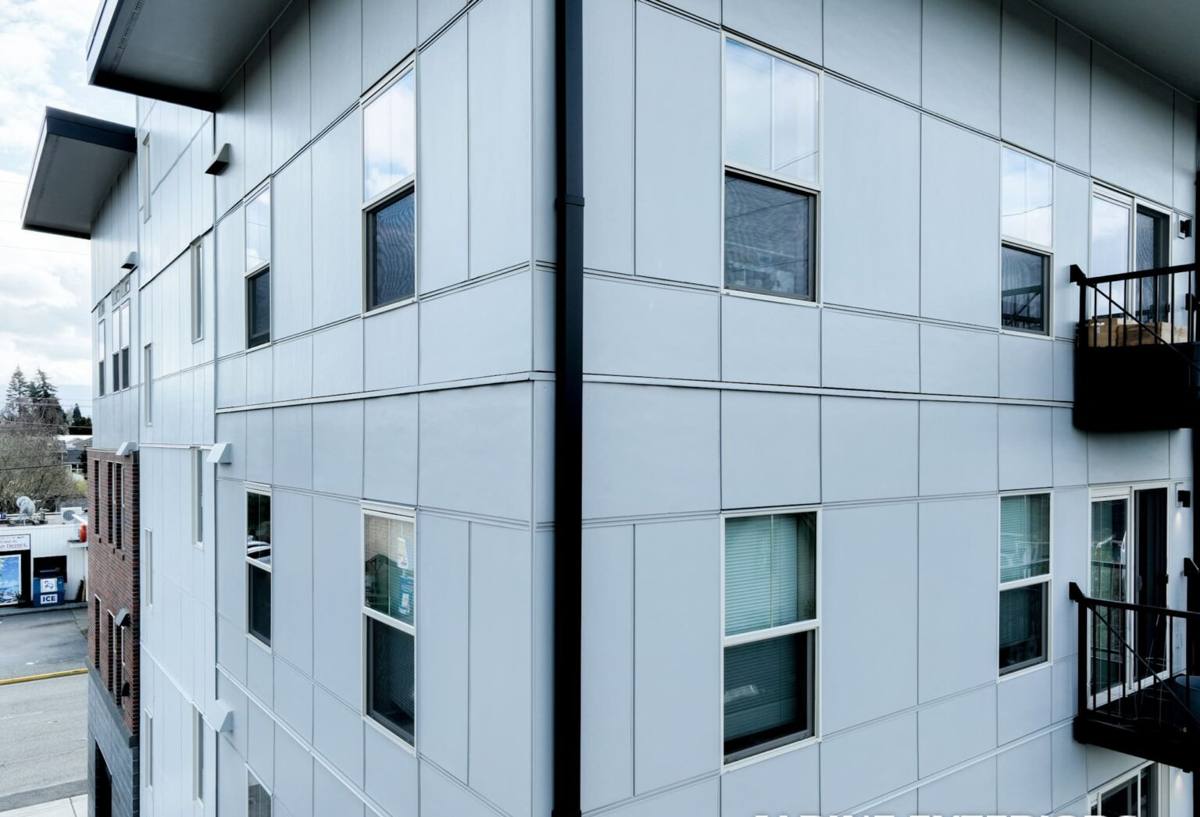
What La Conner's Marine Climate Does to Old Windows
Salt Air and Metal Corrosion
Salt in the air accelerates corrosion on anything metal — window locks, hinges, screen frames, and especially older aluminum sashes. Once corrosion sets in, hardware binds up, sashes stop sealing tightly, and small gaps open that let in both drafts and moisture. This happens gradually, so a lot of homeowners don't notice until a window that used to close smoothly starts sticking or won't latch flush anymore.
Wind-Driven Rain and Water Intrusion
Anacortes and the surrounding Skagit County coastline get a lot of rain that doesn't fall straight down — wind pushes it sideways into siding and window openings. A window that's watertight in a light, still rain can still leak during a windy winter storm if the flashing or seal isn't doing its job. Water intrusion around windows is one of the more common causes of hidden rot we find in this area, and it's almost always worse than it looks from outside.
Moss, Mildew, and Frame Rot
Shade, moisture, and mild temperatures make this whole region friendly to moss and mildew, and window sills and lower frame corners are prime spots for it to take hold. On wood-framed windows, sustained moss and moisture contact softens the wood over time. Once rot starts at a sill or corner joint, it spreads inward, and by the time it's visible on the surface, the damage underneath is usually further along than expected.
Signs Your La Conner Home Needs Window Replacement
Not every window problem calls for full replacement, but these are the signs that tell us it's time to take a serious look rather than patch things again:
- Sashes that stick, won't stay open, or don't latch flush with the frame
- Visible fogging or moisture trapped between panes of double-pane glass
- Soft, spongy, or discolored wood at the sill, corners, or bottom rail
- Persistent drafts you can feel near the window even with it fully closed
- Peeling paint or bubbling finish concentrated around the window opening, not the whole wall
- Visible daylight gaps between the sash and frame
- Rising heating bills with no other explanation, especially in older single-pane homes
- Rusted or corroded hardware that no longer operates smoothly
Any one of these on its own might be a minor fix. Two or three together, especially combined with the age of the windows, usually means replacement will cost less over the next several years than continuing to repair.
What a Correct Window Replacement Job Involves Here
Flashing and Water Management First
The window itself is only part of the job. What keeps water out long-term is the flashing and water management around the opening — how the building paper or house wrap, flashing tape, and sill pan work together to direct water back out instead of into the wall cavity. In a climate that gets wind-driven rain as often as this one does, cutting corners here is the single biggest reason a "new" window ends up leaking within a few years.
Correct Sizing and a Square Fit
Older homes settle, and rough openings are rarely perfectly square anymore. A correct installation accounts for that — shimming and leveling the new window so it operates smoothly and seals evenly on all four sides, rather than forcing a standard-size unit into an opening that's slightly out of true. A window that's slightly out of square will bind, won't seal evenly, and puts uneven stress on the frame over time.
Sealing and Insulation Around the Frame
The gap between the window frame and the rough opening needs to be insulated and air-sealed correctly — not overpacked with expanding foam, which can bow the frame, and not left with hollow voids that create cold spots and drafts. Exterior sealant around the trim and flashing has to be applied to a clean, dry, properly prepared surface to actually bond and last through wet winters.
Choosing Materials and Glass for This Climate
Material choice matters more here than in a drier inland climate, because whatever you pick has to hold up to sustained moisture and salt air, not just occasional rain. Here's how the common options generally compare for a coastal Skagit County property:
| Material | Moisture Resistance | Maintenance | Typical Trade-Offs |
|---|---|---|---|
| Vinyl | Very good — won't rot or corrode | Low; occasional cleaning | Cost-effective; fewer color/finish options than clad wood |
| Fiberglass | Excellent — very stable in wet, salt-air conditions | Low | Higher upfront cost; strong long-term value in this climate |
| Aluminum-clad wood | Good on the exterior face; interior wood still needs protection | Moderate | Attractive interior wood look; more sensitive to installation quality |
| Bare wood | Poor without diligent upkeep | High — regular painting/sealing required | Classic look; we generally steer homeowners away from it on exposed, water-facing walls here unless they're committed to ongoing maintenance |
On glass, double-pane with a low-E coating is the practical standard for this region and handles our winters well. Triple-pane adds extra insulating value and sound dampening, which some homeowners want on water-facing or wind-exposed sides of the house, but it also adds weight and cost. We'll walk through whether that trade-off makes sense for your specific windows rather than defaulting to the most expensive option.
Our Process for Window Replacement in La Conner
- On-site assessment. We look at each window individually — frame condition, signs of water intrusion, sill and sheathing condition once we're in there — not just glass and hardware.
- Honest scope, honest quote. We tell you which windows genuinely need replacement, which can wait, and what we find if there's hidden rot or water damage behind the trim before we finalize pricing.
- Material and glass selection. We help you weigh vinyl, fiberglass, or clad-wood options and glass packages against your budget and how exposed that side of the house is.
- Removal and opening prep. Old windows come out carefully, and we check the rough opening, sheathing, and existing flashing for damage before anything new goes in.
- Flashing and sill pan installation. This is the step that determines whether the window stays dry for the next twenty years, and we don't shortcut it.
- Setting, shimming, and sealing the window. Leveled, squared, insulated, and sealed with materials rated for exterior exposure.
- Exterior trim and finish work. Trim is reinstalled or replaced and sealed so the whole assembly sheds water the way it's supposed to.
- Final walkthrough. We test operation on every window and walk the job with you before we consider it done.
Full Replacement vs. Targeted Repair
Replacement isn't always the right call, and we'd rather tell you that upfront than sell you windows you don't need yet. If a window's frame is structurally sound and the problem is isolated — a failed seal on one insulated glass unit, worn weatherstripping, a hardware issue — repair can be the more sensible move, especially on a newer window. Where we push toward replacement is when the frame itself has moisture damage, when hardware and seals are failing across multiple windows of the same age and type, or when the ongoing cost of repairs starts to rival what replacement would cost. We'll give you a straight answer on which category your windows fall into rather than defaulting to the bigger job.
Why a Local Anacortes Crew Matters for a La Conner Job
We work in this climate and this county every week, which means we're not guessing at how salt air, wind-driven rain, and moss season affect a window installation — we see the results of good and bad installs on real houses around here regularly. That local familiarity shows up in small decisions during the job: how much flashing overlap to use given the wind exposure on a given wall, which sealants actually hold up through a wet Skagit County winter, and when a "standard" install detail needs to be adjusted for a specific home's exposure to the water.
Being close also means we're realistic about scheduling around this area's weather rather than rushing a job into a rain window that doesn't hold, and we're reachable afterward if a question comes up once the windows have been through a full season.
If your windows in La Conner are showing any of the signs above, or you just want an honest read on whether repair or replacement makes more sense for your home, we're happy to take a look. Use the form below to request a free, no-pressure estimate — we'll give you a straight assessment and a clear price, with no obligation to move forward.