 Anacortes Roofing
 Siding Installation in Mount Vernon
Mount Vernon homes sit in one of the more demanding climate zones in western Washington. You get the marine influence pushing in from the Salish Sea, long stretches of driving rain through fall and winter, and a moss and mildew season that seems to stretch a little longer every year. Siding here isn't just a cosmetic layer — it's the barrier standing between your framing and a lot of sustained moisture. When that barrier is the wrong material, or installed poorly, the damage doesn't show up right away. It shows up two, five, ten years later as soft trim, stained walls, or a rot repair bill nobody budgeted for.
We install James Hardie fiber cement siding exclusively. That's not a marketing angle — it's a decision we made after years of doing siding and roofing work across Skagit County and watching which products actually held up and which ones created callback after callback. This page walks through what Mount Vernon homes specifically need from a siding job, what a correct installation looks like, and how our process works from first look to final walk-through.
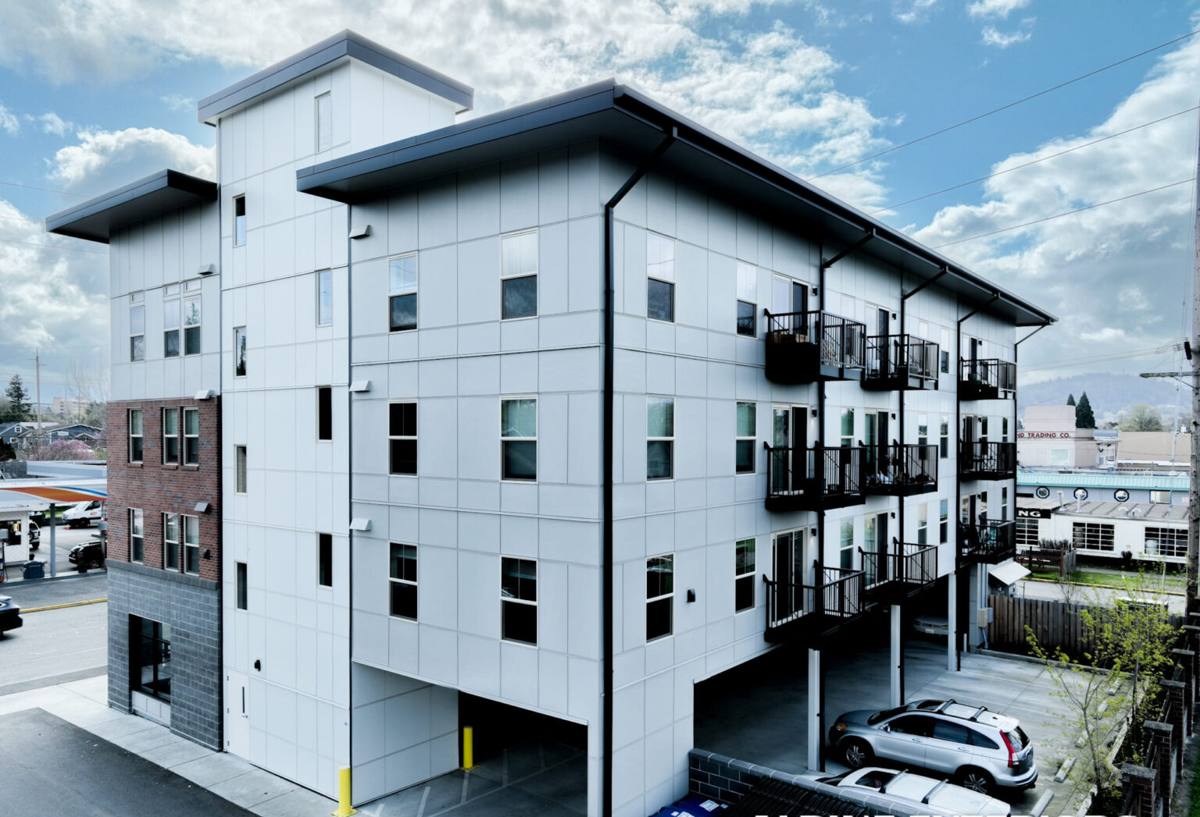
Why Mount Vernon's Climate Is Tougher on Siding Than It Looks
It's easy to assume that because Mount Vernon isn't directly on the water, it doesn't deal with the same exposure as a beachfront property. In practice, the whole region shares a similar weather pattern: persistent damp air, heavy seasonal rainfall, and long gray stretches where surfaces rarely get a full dry-out between storms. A few specific factors matter for siding decisions here:
Sustained Moisture, Not Just Rain Events
The bigger issue isn't a single storm — it's how long surfaces stay wet afterward. Low winter sun angles and short days mean north and shaded elevations can stay damp for days. Any siding material that swells, wicks moisture, or takes on water at cut edges and fastener points is going to suffer more here than in a drier inland climate.
Moss and Organic Growth
Extended damp periods are exactly what moss, algae, and mildew need to establish themselves on exterior surfaces. Siding with a factory-cured finish resists this far better than field-primed or unfinished substrates, which give organic growth more to grip onto and hold moisture against.
Wind-Driven Rain at Corners and Penetrations
Storms coming off the Sound don't just fall straight down — they push rain sideways into wall assemblies, especially around windows, doors, and corner boards. This is where flashing detail and installation technique matter as much as the siding product itself.
What a Correct Siding Job Actually Involves
A lot of siding problems we get called out to inspect aren't product failures — they're installation shortcuts. Getting this right in a climate like ours means paying attention to details that don't show up in a drive-by look at the finished wall.
Water Management Behind the Siding
Proper installation starts with a correctly lapped weather-resistant barrier, appropriate flashing at every window, door, and penetration, and a drainage plane that lets any incidental moisture find its way back out rather than getting trapped against the sheathing. Siding is the visible layer, but the water management system underneath it is what actually protects your home long term.
Fastening and Clearances
Fiber cement siding has manufacturer-specified fastener patterns, nailing zones, and minimum clearances from grade, roofing, and decks. Skipping these specs to save time is one of the most common causes of premature failure — moisture wicking up from ground contact or gaps that let water track behind the boards.
Joints, Caulking, and Butt Seams
Every horizontal and vertical seam is a potential entry point for water if it's not treated correctly. Factory-primed or ColorPlus-finished edges need proper sealing at cut ends, and butt joints need to be staggered and detailed so they shed water rather than collect it.
Field Cuts and Touch-Up
Any time a board is cut on site, that exposed edge needs to be sealed per manufacturer spec before it goes up. This is a step that's easy to rush and impossible to verify once the wall is closed in — which is exactly why it matters who's holding the saw.
Why We Only Install James Hardie
We used to install a broader range of siding products. Over time, in this specific climate, we narrowed to James Hardie fiber cement exclusively, for reasons that come down to how materials behave over a decade or two of Skagit County weather rather than how they look on day one.
Non-Combustible, Dimensionally Stable
Fiber cement doesn't expand and contract with moisture the way wood-based products do, and it doesn't support combustion the way some composite and wood products can. In a climate defined by constant moisture cycling, dimensional stability directly translates to fewer cracked joints, less buckling, and less caulking maintenance over the years.
Factory-Applied ColorPlus Finish
Hardie's ColorPlus finish is baked on in a controlled factory environment rather than applied on site. That matters here specifically because it resists the fading, chalking, and moisture penetration that field-applied paint struggles with in a climate that rarely gives paint a long enough dry window to cure properly.
HZ5 Engineering for Wet, Marine-Influenced Climates
James Hardie engineers specific product lines for different climate zones. The HZ5 line is built for regions with prolonged moisture exposure and freeze-thaw cycling, which describes Skagit County's weather almost exactly. That's a meaningful difference from a generic siding product built to a national average spec.
Warranty Backed by the Manufacturer
James Hardie's warranty structure is transferable and manufacturer-backed, which matters if you ever sell the home. A siding job that's still performing — and still under warranty — is a tangible selling point in a market where buyers are increasingly asking about exterior condition and moisture history.
Why We Don't Install Vinyl, LP SmartSide, or Cedar Here
We get asked about these regularly, and we think homeowners deserve a straight answer rather than a sales pitch.
- Vinyl siding is affordable and low-maintenance in dry climates, but it can warp or distort under temperature swings, and its seams and J-channels give wind-driven rain more opportunities to get behind the wall in a storm-heavy region like ours.
- LP SmartSide is a wood-strand product that performs reasonably well when installation and maintenance are followed to the letter, but it depends heavily on field-applied caulking and touch-up paint staying intact — a maintenance burden that's harder to keep up with in a climate that rarely gives surfaces a long dry stretch.
- Cedar and primed spruce siding can look excellent, but real wood siding requires ongoing refinishing and is naturally more vulnerable to the moss, mildew, and moisture absorption that define our regional climate.
None of these are bad products in every context. They're just products whose real-world trade-offs, in this specific climate, didn't match what we're willing to put our name behind.
Cost Factors for a Mount Vernon Siding Project
Every home is different, but these are the variables that most affect the scope and cost of a siding installation in this area:
| Factor | Why It Affects the Job |
|---|---|
| Existing siding removal | Tear-off and disposal of old siding adds labor and may reveal sheathing damage needing repair |
| Sheathing and framing condition | Moisture-damaged sheathing found underneath must be replaced before new siding goes on |
| Home size and wall complexity | Dormers, gables, and multiple stories increase labor time and staging requirements |
| Trim and accessory selection | Corner boards, trim profiles, and soffit work vary in material and labor cost |
| Siding profile and finish | Lap, shingle, and panel styles differ in material and installation time |
| Window and door count | Each opening requires flashing and detail work that adds time |
Our Process for Mount Vernon Siding Projects
1. On-Site Assessment
We walk the exterior, check for existing moisture damage, evaluate the current water management details, and talk through what you want from the finished look — profile, color, trim style.
2. Written Scope and Estimate
You get a clear, itemized scope so you know exactly what's included: tear-off, sheathing repair allowances if needed, house wrap, flashing, siding, trim, and cleanup.
3. Removal and Substrate Inspection
Old siding comes off and we inspect the sheathing before anything new goes up. Hidden moisture damage gets addressed here, not discovered after the new siding is already installed.
4. Water Management Installation
Weather-resistant barrier and flashing go in per manufacturer and code requirements before a single piece of siding is hung.
5. James Hardie Installation
Siding is installed to manufacturer fastening, clearance, and sealing specifications — the details that determine how the wall performs in year ten, not just how it looks in week one.
6. Final Walk-Through
We walk the finished job with you, point out warranty documentation, and answer any maintenance questions before we consider the job done.
A Simple Pre-Project Checklist
- Ask any contractor for their manufacturer certification or training on the specific siding product they're installing
- Get the flashing and water management details in writing, not just the siding brand
- Confirm who handles sheathing repair if moisture damage is found during tear-off
- Ask about the manufacturer's warranty terms and whether they're transferable to a future buyer
- Get a written, itemized estimate rather than a single lump-sum number
Why Local Experience in Mount Vernon Matters
A crew that works regularly across Skagit County has already seen how homes in this specific climate perform over time — which elevations take the worst of the wind-driven rain, where moss tends to establish first, and which installation shortcuts show up as callbacks a few years down the road. That's a different kind of knowledge than a crew working from a generic national install guide. It shows up in the small decisions: how flashing gets lapped, how much clearance gets left at grade, how joints get staggered — the details that don't matter on a dry summer install day but matter enormously through a Skagit County winter.
If you're planning a siding project in Mount Vernon, we're happy to take a look and give you a straightforward, no-pressure estimate — just fill out the form below.