 Anacortes Roofing
 Old Town Anacortes Takes More Weather Than It Looks Like
Old Town Anacortes is one of the older, established parts of the city, and that means a lot of the housing stock here was built before anyone was thinking about rainscreen gaps, engineered flashing details, or climate-rated siding. Fidalgo Island sits surrounded by saltwater, and homes throughout Anacortes — Old Town included — take a steady diet of salt-laden air, wind-driven rain off the Salish Sea, and long, damp stretches every fall and winter where moss and algae get a real foothold on anything that stays wet too long. None of that is dramatic on any given day. It's the cumulative effect over ten, twenty, thirty years that separates siding that's still doing its job from siding that's quietly failing behind a coat of paint.
Fiber cement siding, installed correctly, is built to take that kind of exposure. But "fiber cement" and "installed correctly" are two different things, and in a neighborhood with as much older housing as Old Town Anacortes has, the installation details usually matter more than the product itself.
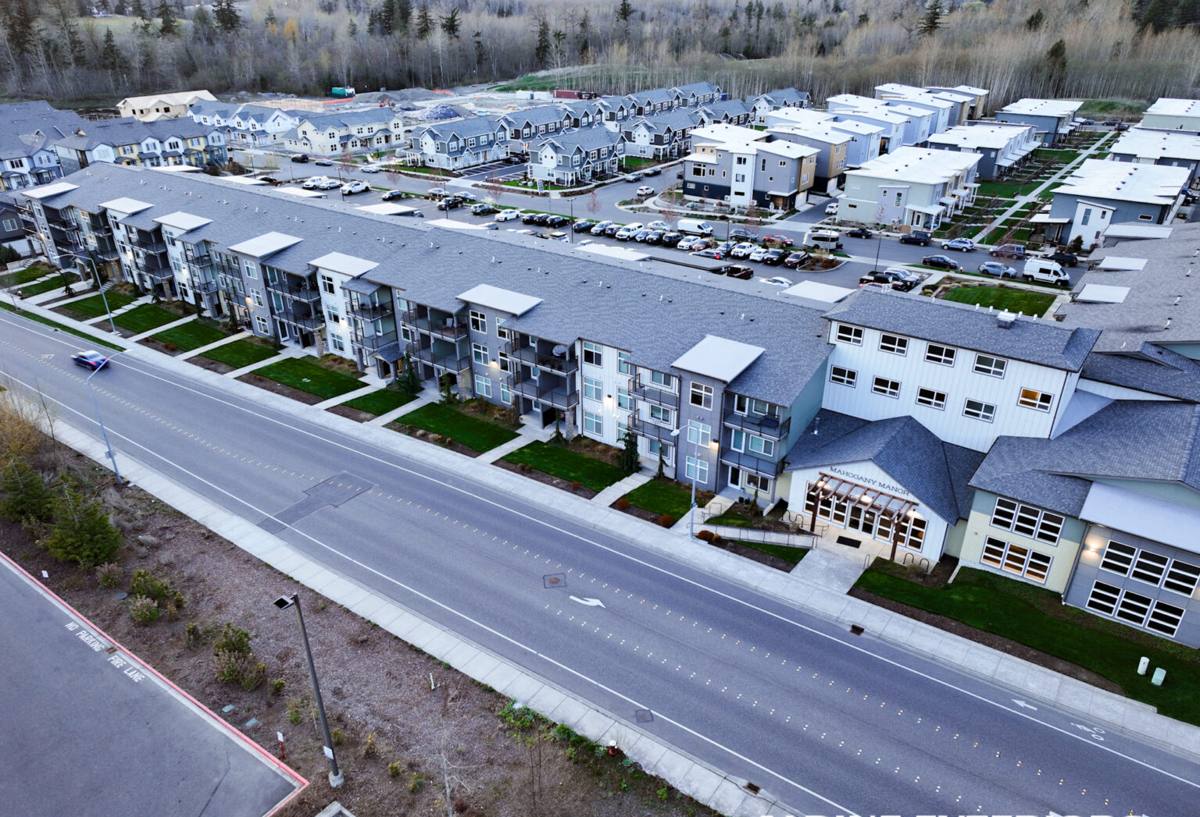
What Salt Air, Driving Rain, and Moss Season Actually Do
Salt air
Airborne salt is corrosive to exposed metal — fasteners, flashing, trim caps — and it accelerates the breakdown of lower-grade paint finishes. Siding that isn't factory-finished for coastal exposure tends to chalk, fade, and lose adhesion faster near the water than the same product would inland, even a few miles inland in Skagit County.
Driving rain
Wind-driven rain doesn't just run down a wall — it gets pushed sideways and upward into laps, seams, and butt joints. If a siding system doesn't have a drainage path behind it, that water has nowhere to go but into the sheathing. This is the single biggest cause of hidden rot behind older siding on the west side of Washington, and it's almost always an installation problem, not a material problem.
Moss season
Anacortes gets a long stretch of cool, wet, low-sun months where north-facing and shaded walls stay damp for days at a time. Moss and algae need exactly that. On porous or poorly sealed siding, growth takes hold in the surface itself, not just on top of it, which is why pressure washing alone often doesn't solve the problem for long.
Why We Install James Hardie Fiber Cement — and Nothing Else
We install James Hardie fiber cement siding exclusively. We don't install vinyl, LP SmartSide, primed spruce, cedar, or other fiber cement brands. That's a deliberate standard, not a sales pitch, and it comes down to a few specific things that matter in a climate like this one:
- Non-combustible material — fiber cement doesn't feed a fire the way wood-based products can, which matters for insurance and for peace of mind.
- Climate-engineered product lines — Hardie's HZ5 formulation is engineered for the wetter, more humid regions of the Pacific Northwest, rather than a one-size-fits-all national product.
- ColorPlus factory finish — a baked-on finish applied under controlled conditions holds color and resists the salt-and-rain fade cycle far longer than field-applied paint, and it comes with its own finish warranty.
- Proven long-term track record — fiber cement has decades of real-world performance data in coastal and marine-exposure climates, not just lab testing.
None of that means other products are junk — it means we made a professional call about what holds up on homes in this specific climate, and we'd rather install one product well than several products with compromises we'd have to explain later.
What a Correct Installation Actually Involves
The product performs the way it's rated to only if the installation follows the manufacturer's specs. On a house in Old Town Anacortes, that means:
Drainage plane and rainscreen gap
A weather-resistive barrier goes on first, followed by a drainage gap — furring strips or a manufactured rainscreen product — that lets any water that gets behind the siding drain and dry out instead of sitting against the sheathing.
Flashing at every penetration
Windows, doors, hose bibs, light fixtures, and roof-to-wall transitions all need proper flashing and integrated water-shedding details. This is where driving rain finds its way in if it's skipped or done sloppily.
Correct fastening
Hardie specifies fastener type, spacing, and placement by product line and exposure zone. Corrosion-resistant fasteners matter more here than in a drier inland climate.
Proper clearances
Siding needs to sit above grade, decks, and roof lines by the manufacturer's minimum clearances so it isn't sitting in standing water or splashback — a common problem on older Old Town lots where grading has shifted over the decades.
Caulking and sealant done sparingly and correctly
Hardie's system is designed to shed water through gravity and geometry, not by depending on caulk as the primary defense. Over-caulking a job is often a sign of an installer patching around a drainage problem instead of solving it.
Choosing the Right Hardie Product for an Old Town Home
Not every home needs the same siding profile. Older homes in this neighborhood often carry a traditional lap or shingle look, and matching that character while upgrading the material underneath is usually the goal, not changing the home's appearance.
| Product | Best fit for | Notes for this climate |
|---|---|---|
| HardiePlank lap siding | Traditional lap-sided homes, most common Old Town profile | Available in several exposure widths to match existing sightlines |
| HardieShingle | Homes with shingle-style accents or gables | Holds detail well without the moisture issues of real wood shingle |
| HardiePanel | Porch ceilings, gable accents, modern sections | Smooth or textured finishes for accent applications |
| HardieTrim | Corners, window and door casing, fascia | Matches durability of the field siding instead of mixing in wood trim that will fail first |
What Drives the Cost of a Job Here
Every home is different, but the same handful of factors move the price up or down on most Old Town Anacortes projects:
| Factor | Why it matters |
|---|---|
| Full tear-off vs. overclad | Older siding often hides rot or missing drainage details that only show up once it's removed — overcladding is rarely the right call on homes with this much age and moisture exposure |
| Hidden sheathing damage | Decades of trapped moisture behind old siding sometimes means sheathing repair before new siding goes on |
| Trim and detail work | Older homes often have more corners, window trim, and architectural detail than a simple rectangular wall |
| Access and lot constraints | Tighter, older lots can affect staging, scaffolding, and disposal logistics |
| Color and finish selection | Factory ColorPlus finishes cost more up front than primed siding but remove the recurring cost of repainting |
How We Approach a Project in This Neighborhood
A siding job on an older Old Town Anacortes home isn't a one-size install, and treating it that way is how moisture problems get sealed up behind new siding instead of fixed.
- On-site assessment — we look at the existing siding, trim, and any signs of moisture damage before quoting anything.
- Tear-off and inspection — once the old siding is off, we check the sheathing and framing underneath for rot or prior water intrusion.
- Repair before covering — any damaged sheathing or framing gets repaired; we don't install new siding over a known problem.
- Drainage plane and flashing installed to spec — this is the step that actually determines how the house performs in driving rain, years down the road.
- Hardie siding, trim, and ColorPlus finish installed to manufacturer specifications — correct fastening, clearances, and exposure.
- Final walkthrough — we go over the finished work with the homeowner before calling the job done.
What to Ask Before You Hire Anyone for This Job
- Will the old siding be fully removed, or overclad?
- Who inspects the sheathing once the old siding is off, and what happens if there's damage?
- What rainscreen or drainage system is being used behind the new siding?
- Is the crew factory-certified to install the specific Hardie product being quoted?
- What does the written warranty actually cover — material, finish, and labor?
- Are fastener type and spacing specified in writing, not just "to code"?
Why Local Experience in Old Town Anacortes Matters
A crew that already works this neighborhood knows what to expect before the tear-off starts — the mix of home ages and styles, the moisture patterns on shaded and water-facing walls, and the kind of trim and detail work that older Anacortes homes tend to carry. That's not a substitute for doing the installation correctly, but it does mean fewer surprises, a more accurate quote up front, and a crew that isn't learning the neighborhood's quirks on your project. Skagit County's coastal climate isn't forgiving of shortcuts, and a home in Old Town Anacortes that's had one bad siding job already doesn't need a second one.
If you're weighing siding options for a home in Old Town Anacortes, we're happy to take a look and give you a straight, no-pressure estimate — what we'd recommend, why, and what it would involve. There's no obligation, and the form below is the easiest way to get started.