 Anacortes Roofing
 Old Town Anacortes Roofs Work Harder Than Most
Old Town sits close to the water, which means the roofs here deal with a combination most inland Skagit County homes never see: salt-laden air off the surrounding waterways, driving rain that comes in sideways during winter storms, and deep shade from mature trees that keeps moss growing nearly year-round. Add in a housing stock that skews older than newer Anacortes developments, and you get roofs with more flashing seams, more roof penetrations, and more decades of prior repair work layered on top of each other. None of that is a problem by itself. It just means a roof repair here needs to account for things a repair on a five-year-old roof in a treeless subdivision wouldn't have to.
We repair roofs across Anacortes and the rest of Skagit County, but Old Town jobs tend to follow a pattern: the leak or damage you can see is rarely the whole story, and the fix has to work with an older roof system, not just patch the surface.
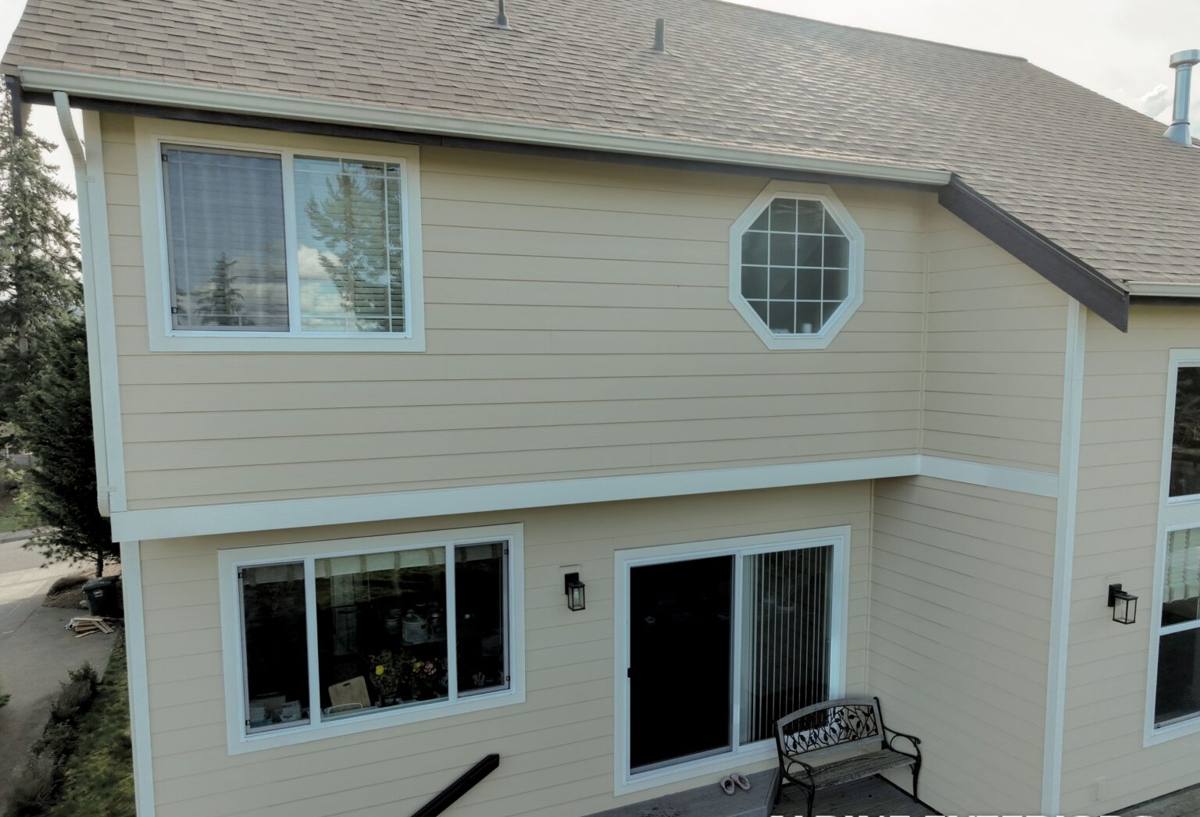
What We're Usually Called Out For in This Neighborhood
A handful of issues show up again and again on Old Town roof calls:
- Moss and organic growth on shaded, north-facing slopes that holds moisture against the shingles and shortens their life
- Corroded or failing metal flashing around chimneys, dormers, and roof-to-wall transitions, sped up by salt air
- Rusted or loosened fasteners on older roofs, especially where galvanized nails or older metal work was used
- Clogged or sagging gutters from tree debris, which backs water up under the roof edge
- Wind and driving-rain damage at ridge caps, valleys, and eave edges after winter storms
- Old, undersized, or missing flashing details from repairs done years ago that didn't hold up
Each of these has a different repair approach, and mixing them up is how a "small leak" turns into a ceiling stain a year later.
Why Salt Air, Rain, and Moss Change the Repair Itself
Salt Air and Metal Components
Flashing, fasteners, gutters, and any exposed metal on a roof corrode faster near saltwater than they do a few miles inland. When we repair flashing on an Old Town roof, we default to corrosion-resistant materials and fastener types built for coastal exposure rather than whatever standard-grade material might get used on a dry-side job. It costs a little more up front and saves a callback in a few years.
Driving Rain and Wind-Driven Water
Rain that comes in at an angle doesn't just run downhill — it can get pushed sideways and upward under lifted shingles, loose flashing, or gaps at valleys and ridge caps. A repair that would hold up fine in calmer weather can fail here if it doesn't account for wind-driven water. That's part of why we pay close attention to how flashing and underlayment are lapped, not just whether the visible shingle is replaced.
Moss and Prolonged Moisture
Shaded lots with mature trees keep certain roof sections damp long after the rest of the roof has dried out. Moss holds that moisture against the shingle surface, which accelerates granule loss and, over time, can lift shingle edges enough to let water underneath. Moss removal done incorrectly — scraping or pressure washing — can do more damage than the moss itself, so treatment method matters as much as timing.
What a Correct Roof Repair Actually Involves
Finding the Real Source of the Leak
Water doesn't always show up where it enters. A stain on a bedroom ceiling might trace back to a flashing gap several feet away, following a rafter or sheathing seam before it drips. A repair that only addresses the visible interior stain without tracing the actual entry point is a repair that comes back. We inspect the full roof section involved — shingles, flashing, underlayment, and decking where accessible — before recommending a fix.
Matching Materials on an Older Roof
Repairing one section of an older roof means working with materials, colors, and shingle profiles that may no longer be in production. We do our best to match existing shingles closely enough that the repair doesn't stand out, and where an exact match isn't possible, we'll tell you that upfront rather than let it be a surprise. On roofs with multiple past repairs, we also check whether previous patch work is still sound before building a new repair on top of it.
Getting the Underlying Details Right
Most roof leaks come down to flashing, not the field shingles themselves. Chimney flashing, valley flashing, and step flashing along walls and dormers are where the majority of Old Town repair calls end up. A repair that replaces shingles but ignores worn flashing underneath is a repair that fails again within a season or two.
Repair vs. Replacement: How We Help You Decide
Not every roof problem needs a full replacement, and not every leak can be permanently solved with a patch. We walk through this honestly rather than defaulting to the bigger job.
| Factor | Leans Toward Repair | Leans Toward Replacement |
|---|---|---|
| Roof age | Roof is well within its expected lifespan | Roof is near or past its expected service life |
| Damage extent | Isolated to one area or system (flashing, one slope) | Multiple areas failing, widespread granule loss |
| Repair history | First or second repair in this area | Same spot has been patched repeatedly |
| Decking condition | Sheathing is solid where checked | Soft or rotted decking found during inspection |
| Budget and timeline | Need a near-term, cost-effective fix | Planning ahead, want to stop recurring repair costs |
If your roof is a reasonable candidate for repair, we'll say so and price it that way. If we think a repair is just delaying an inevitable replacement, we'll explain why — including what we found and what it would take to get another few years out of the current roof if that's what you'd rather do.
Our Roof Repair Process
- Inspection — We look at the roof from the ground and, where safe and useful, up close, tracing suspected leak paths rather than just eyeballing the surface.
- Diagnosis and explanation — We tell you what's actually causing the problem, in plain terms, before recommending a fix.
- Written estimate — A clear scope of work and price range, so you know what's included before we start.
- Repair — We complete the work using materials suited to Old Town's salt air and moisture exposure, not just whatever's cheapest.
- Cleanup and walkthrough — Debris is cleared and we go over what was done, including any areas worth keeping an eye on going forward.
Signs You Should Get a Roof Repair Looked At Now
- Moss or dark streaking building up on shaded roof slopes
- Granules collecting in gutters or at downspout outlets
- Water stains or discoloration on ceilings or upper interior walls
- Curling, cracked, or lifted shingle edges
- Visible rust or gaps at flashing around chimneys or vents
- Daylight visible through the attic roof deck
- Sagging or uneven areas along the roofline
- Consistently damp or musty smell in an upstairs room or attic
Catching these early is almost always cheaper than waiting until they show up as an interior leak.
Why Hiring a Crew That Already Works Old Town Anacortes Matters
A roof repair company that works this neighborhood regularly already knows what to expect here: the shaded, moss-prone slopes, the older flashing details common on this housing stock, and the corrosion that salt air causes to metal components faster than it would a few miles inland. That familiarity shows up in small but real ways — knowing which fastener and flashing materials hold up here, recognizing when an interior stain points to a flashing failure rather than a shingle problem, and not treating every job like it's a standard suburban roof repair. It also means realistic scheduling around Skagit County's wet season, when roof access and drying time both matter for a repair to be done right the first time.
Keeping a Repaired Roof in Good Shape
A well-done repair still needs some basic upkeep to last, especially in this climate:
- Keep gutters clear of leaves and needles so water isn't backing up under the roof edge
- Address moss growth before it spreads, using methods that don't strip granules or damage shingles
- Trim back tree limbs that keep sections of the roof shaded and damp longer than the rest
- Have the roof looked at after major windstorms, even if nothing looks obviously wrong from the ground
If you're dealing with a leak, moss damage, or flashing that's seen better days on an Old Town Anacortes home, we're happy to take a look and give you a straight answer on what it needs. Fill out the form below for a free, no-pressure estimate.