 Anacortes Roofing
 Roof Repair for Skyline Homes in Anacortes
Skyline sits close enough to the water that the air itself works against a roof, day in and day out. Salt-laden marine air, wind-driven rain off Fidalgo Bay and the surrounding waterways, and a moss season that can run most of the year all add up to a specific set of repair needs that don't show up the same way twenty miles inland. A roof repair here isn't just patching a leak — it's addressing why that leak started in the first place, given what the climate is doing to the roof around it.
This page covers roof repair specifically — not full replacement — for homes in the Skyline area of Anacortes. If your roof still has useful life left but is failing in a specific spot, this is the service and the reasoning behind it.
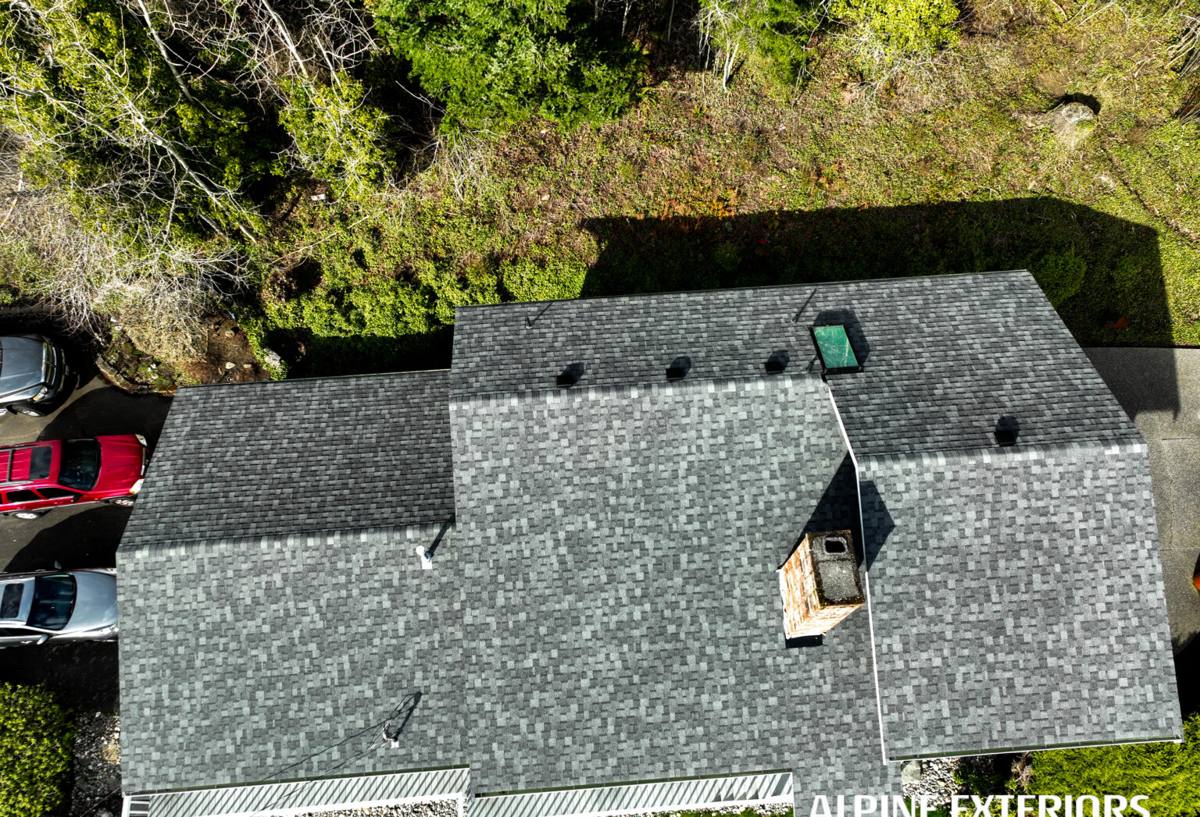
What Skyline's Roofs Are Up Against
Anacortes sits in Skagit County, on Fidalgo Island, which means most homes in Skyline are within a few miles of saltwater in one direction or another. That proximity shapes almost every repair call we take in the neighborhood.
Salt air and metal fatigue
Salt air accelerates corrosion on exposed metal — flashing, fasteners, vent caps, and gutter hardware age faster here than they would in a dry inland climate. A lot of "mystery leaks" trace back to a corroded flashing seam or a rusted-through fastener that let water find its way under the roofing material.
Driving rain and wind exposure
Rain in this part of Washington rarely falls straight down. Wind off the water pushes it sideways and up under laps, edges, and flashing that would shed a gentler rain just fine. Roofs here need details — laps, seals, underlayment — that hold up under wind-driven rain, not just vertical drizzle.
Moss and prolonged moisture
Tree cover, shade, and a long wet season give moss a real foothold on north-facing slopes and shaded valleys. Moss holds moisture against the roofing surface far longer than bare shingle or metal would, and over time that constant dampness breaks down granules, lifts shingle edges, and works its way into fastener holes.
Signs a Skyline Roof Needs Repair, Not Just a Watch-and-Wait
- Water stains or discoloration on interior ceilings, especially near exterior walls or chimneys
- Granules collecting in gutters or at downspout outlets
- Visible moss, algae streaking, or dark patches concentrated on shaded slopes
- Shingles that look cupped, lifted at the edges, or cracked
- Rust staining around flashing, vent boots, or exposed fasteners
- Soft or spongy decking felt underfoot in the attic near an eave or valley
- Daylight visible through the roof deck from inside the attic
- A previous patch or repair that's starting to fail again
Any one of these on its own might be minor. Two or three together usually means water has been getting past the roofing surface for a while, and the repair needs to address the underlying cause, not just the visible symptom.
What a Correct Repair Actually Involves
A roof repair done right is diagnostic first, then corrective. That distinction matters more in Skyline than in a drier climate, because water here can travel — entering at one point and showing up as a stain or rot somewhere else entirely.
Finding the actual entry point
We trace the leak to its source rather than resealing the spot where the stain appeared. That often means checking flashing at chimneys, skylights, and roof-to-wall transitions, since these are the most common failure points in wind-driven rain.
Checking what's underneath
Once we're into the area, we check the decking and underlayment condition, not just the surface layer. A shingle that looks fine on top can be sitting over decking that's already soft from months of hidden moisture.
Matching materials correctly
Repairs should use flashing metals and fasteners suited to a marine-air environment, and underlayment that performs under sustained wet conditions, not just materials that happen to match what's already up there. If the original installation used hardware that's already showing corrosion, we address that as part of the repair rather than repeating it.
Restoring proper drainage and airflow
A lot of moss and moisture problems come back if drainage and attic ventilation aren't addressed alongside the physical repair. Clearing debris paths, confirming gutters are pitched and flowing, and checking that attic ventilation isn't trapping moisture under the deck are part of doing the job once instead of twice.
Common Repair Issues We See in Skyline
| Issue | Typical Cause | What the Repair Involves |
|---|---|---|
| Leak at chimney or skylight | Aged or corroded flashing, wind-driven rain forcing water under laps | Remove and replace flashing, re-seal transitions, verify counterflashing fit |
| Moss buildup on shaded slopes | Tree cover, limited sun exposure, prolonged moisture retention | Careful moss removal, treatment, and repair of any granule loss or lifted shingles underneath |
| Rusted fasteners or vent boots | Salt air corrosion over time | Replace with corrosion-resistant hardware rated for marine exposure |
| Soft decking near an eave or valley | Long-term hidden moisture from a small, slow leak | Cut back and replace affected decking, then repair the roofing surface over it |
| Recurring leak after a prior patch | Original repair addressed the symptom, not the entry point | Re-diagnose from the attic side, trace the true path, repair the actual source |
Our Repair Process
- Inspection. We look at the roof from both the surface and, when needed, the attic side, to trace water paths rather than guessing from ground level.
- Diagnosis and explanation. Before any work starts, we explain what we found, what's causing it, and what the repair will actually fix — in plain terms, not a sales pitch.
- Repair. We replace what's failed — flashing, fasteners, underlayment, decking, or shingles — with materials suited to Anacortes's climate, not just whatever matches on the shelf.
- Cleanup and check. Debris, old material, and displaced moss are cleared from the roof and gutters so drainage works as intended once the repair is done.
- Follow-up. We tell you honestly whether this repair should hold long-term or whether it's a sign the roof is approaching the end of its useful life.
Repair vs. Replacement: Making the Right Call
Not every roof problem in Skyline needs a full reroof, and not every leak should be treated with another patch. The honest answer depends on the roof's age, how widespread the damage is, and whether the underlying decking is still sound.
| Factor | Favors Repair | Favors Replacement |
|---|---|---|
| Age of roofing material | Well within expected lifespan | At or past expected service life |
| Extent of damage | Localized to one area or slope | Widespread granule loss, multiple failure points |
| Decking condition | Sound, isolated soft spots only | Soft or rotted decking in multiple areas |
| Repair history | First repair, clear single cause | Repeated repairs to the same or nearby areas |
| Moss/moisture pattern | Surface-level, hasn't reached decking | Moisture has already compromised structure |
We'll tell you straight if a repair is the right call or if you'd just be spending money to delay a replacement you'll need anyway. Broad ballpark cost ranges for repairs vary widely depending on scope — a small flashing fix is a different job than decking replacement — which is why we quote after seeing the actual roof, not over the phone.
Why a Crew That Already Works Skyline Matters
Roofing crews that work regularly in this part of Skagit County know what marine air, driving rain, and moss cycles do to a roof over time, because they've opened up dozens of them. That means faster, more accurate diagnosis — knowing where to look first based on the roof's age, slope orientation, and exposure — instead of a generic checklist. It also means using flashing, fasteners, and underlayment choices that hold up specifically to this climate, not just materials that work fine in a drier region.
Local familiarity also means fewer surprises: knowing how tree cover and shade patterns typical of the area affect moss growth on different roof orientations, and recognizing when a "small leak" is actually a sign of a larger, climate-driven issue starting to develop.
After the Repair: Keeping It Fixed
A good repair can be undone by neglect. A few habits keep it holding:
- Have moss growth addressed early, before it lifts shingles or holds moisture against the surface
- Keep gutters and downspouts clear so water isn't backing up under roof edges
- Trim back tree limbs that keep a slope shaded and damp longer than it needs to be
- Get a roof looked at after any major windstorm, even if nothing looks obviously wrong from the ground
- Schedule a periodic check-up rather than waiting for a ceiling stain to prompt the call
If you're dealing with a leak, moss buildup, or damage on a Skyline roof, we're happy to take a look and give you a straight answer on what it needs. The estimate is free, there's no pressure, and you'll get an honest read on whether it's a repair job or something bigger — just fill out the form below to get started.