 Anacortes Roofing
 Roofing Built for Ship Harbor's Conditions, Not Just Any Roof
Ship Harbor sits close enough to the water that a roof here works harder than one a few miles inland. Salt-laden air off the strait, wind-driven rain, and a moss season that can stretch from fall through spring all put steady pressure on asphalt shingles. A roof that would perform fine in a drier, more sheltered part of Skagit County can wear out faster here if it wasn't specified and installed with this exposure in mind. Asphalt shingle roofing done right for a Ship Harbor home isn't a different product line — it's the same shingle systems installed with extra attention to the details that matter most in a marine climate.
This page focuses specifically on asphalt shingle roofing for homes in and around Ship Harbor: what the local climate demands, what a correct installation actually includes, and why working with a crew that already understands this stretch of Fidalgo Island's coastline is worth something.
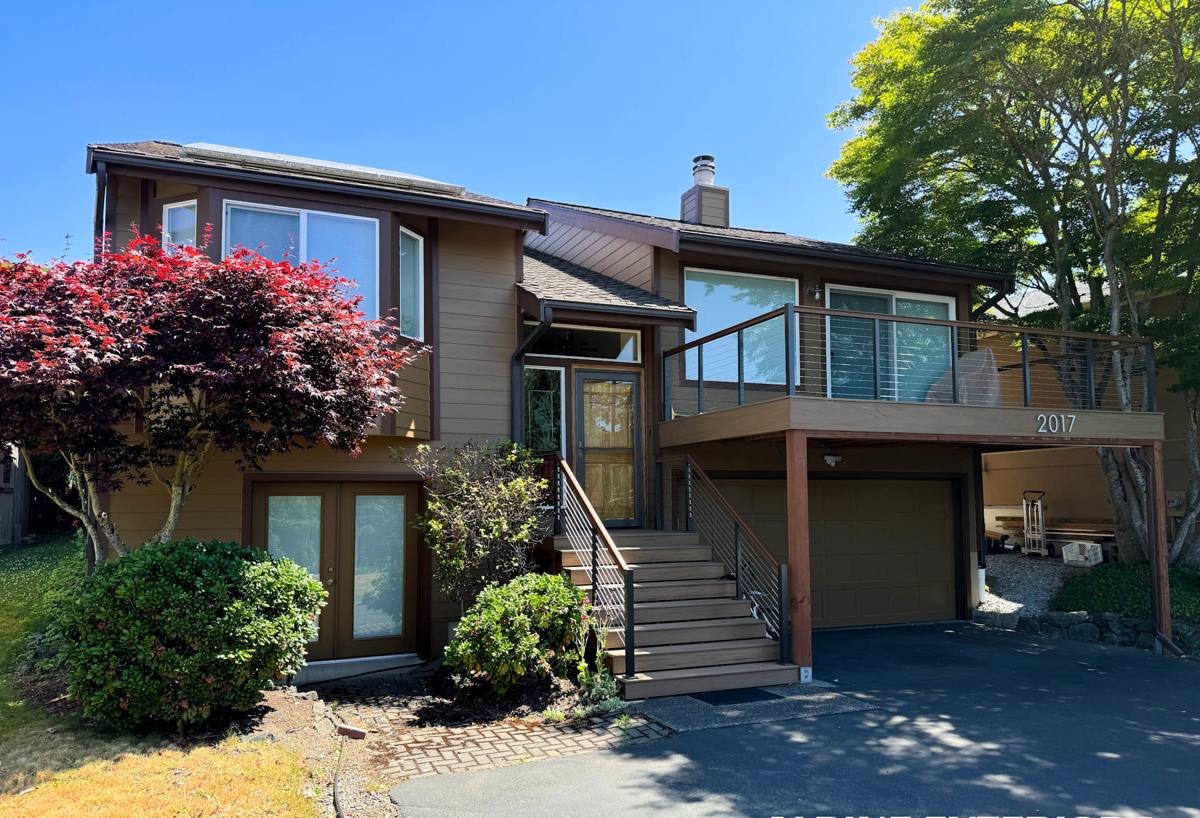
What Anacortes' Marine Climate Does to a Shingle Roof
Salt Air and Metal Components
Asphalt shingles themselves aren't damaged by salt air the way bare metal is, but nearly every roof has metal components — flashing, drip edge, nail heads, vent housings, and fasteners. In coastal air, lower-grade or improperly coated metal corrodes faster than it would inland. Once flashing starts to pit or rust, it stops shedding water reliably, and that's usually where a "shingle roof leak" actually begins. Choosing corrosion-resistant flashing and fasteners up front matters more here than it does a few miles away from the water.
Moss and Prolonged Moisture
Western Washington's moss season is long, and Ship Harbor's tree cover and marine humidity give moss and algae plenty of reason to take hold on north-facing slopes and shaded valleys. Moss doesn't just look bad — it holds moisture against the shingle surface, works its way under tab edges, and can lift granules over time. Left unmanaged for years, it shortens the effective life of an otherwise sound roof.
Wind-Driven Rain
Storms coming off the Strait of Juan de Fuca and Rosario Strait don't always drop rain straight down — wind pushes it sideways and up under shingle edges, especially at ridges, valleys, and roof-to-wall transitions. A roof that only handles vertical rainfall well can still leak in a Ship Harbor windstorm if the underlayment and flashing weren't installed to handle wind-driven water.
Choosing the Right Asphalt Shingle for a Coastal Skagit County Home
Not every asphalt shingle is a good fit for this exposure. We generally steer Ship Harbor homeowners toward architectural (laminated) shingles over basic three-tab, and toward products with algae-resistant granules, for reasons that come down to durability and lower long-term maintenance rather than looks alone.
| Shingle Type | Typical Lifespan | How It Handles This Climate |
|---|---|---|
| Three-tab (standard) | 15-20 years | Lower upfront cost, but thinner profile and lighter wind rating; edges are more prone to lifting in driving coastal wind |
| Architectural / laminated | 25-30+ years | Thicker, heavier, better wind resistance; the standard we recommend for most Ship Harbor roofs |
| Algae-resistant (AR) granules | Same as base shingle | Copper- or zinc-infused granules slow algae and moss growth on shaded, moisture-prone slopes |
| Premium / designer laminate | 30-50 years | Best wind and impact ratings, thickest profile; worth considering on exposed or high-visibility roofs |
We're not chasing the newest or most heavily marketed product — we're choosing shingles with a track record for wind rating and algae resistance, because those are the two properties that actually get tested by this location. If a manufacturer's product doesn't hold up well to sustained moisture exposure or requires installation tolerances that are hard to guarantee in the field, we'll say so plainly and recommend the alternative, rather than install something we don't stand behind.
What a Correct Installation Actually Involves
Tear-Off and Deck Inspection
We remove the old roofing down to the deck rather than layering over it. That's the only way to actually see the plywood or plank sheathing underneath — soft spots, old water staining, or rot that's been hidden under the previous roof. In a moisture-heavy climate like this one, skipping that inspection is how small deck problems turn into structural ones a few years later.
Underlayment and Ice-and-Water Protection
A synthetic underlayment goes down across the full roof as the primary water barrier beneath the shingles. At eaves, valleys, and other vulnerable areas, we add self-adhering ice-and-water membrane — the same product used for ice-dam protection in colder climates, but here it's doing double duty against wind-driven rain that works its way past the shingle surface.
Flashing at Every Transition
Step flashing at walls, valley flashing in the roof's low points, and properly formed flashing around any roof penetrations are where most real leaks originate — not in the open field of shingles. We use corrosion-resistant metal and integrate it correctly with the underlayment, so water is always directed out and over the next course, never trapped behind it.
Nailing Pattern and Wind Rating
Shingles are only as wind-resistant as their installation. Correct nail placement, count, and depth — following the manufacturer's specification rather than a shortcut pattern — is what keeps tabs sealed down through a coastal windstorm instead of lifting and letting rain underneath.
Ventilation: The Part Homeowners Don't See
A shingle roof's performance depends as much on what's happening underneath it as on the shingles themselves. Balanced intake and exhaust ventilation keeps the attic space at a similar temperature and humidity to the outside air, which does two things in this climate: it reduces condensation buildup on the underside of the deck during our wet, mild winters, and it helps shingles run cooler and last longer. An under-ventilated attic in a humid coastal environment can trap moisture against the roof deck from the inside, which is a common and often overlooked cause of premature deck rot — separate from anything happening on the exterior surface.
Our Process for Ship Harbor Roofing Projects
The steps are the same fundamentals as any quality roof replacement, applied with this location's conditions in mind:
- On-site inspection and measurement, including a look at attic ventilation and any visible deck or flashing issues
- A written estimate that spells out shingle type, underlayment, flashing approach, and ventilation plan — no vague line items
- Material delivery and site protection for landscaping, siding, and gutters before work begins
- Full tear-off and deck inspection, with any repairs discussed and approved before covering the deck
- Underlayment, ice-and-water membrane, flashing, and shingle installation in that order
- Final walkthrough and cleanup, including a magnetic sweep for stray nails
Moss Prevention and Long-Term Maintenance
A well-installed roof still needs occasional attention in this climate, especially on shaded or north-facing slopes. Most of it is simple and inexpensive if it's kept up with:
- Keep overhanging tree limbs trimmed back to reduce shade, debris, and moisture retention on the roof surface
- Clear gutters and valleys of needles and leaf debris at least twice a year so water has somewhere to go
- Have visible moss or algae growth treated before it spreads, rather than waiting until it's heavy
- Avoid pressure washing shingles — it can strip granules and shorten shingle life; use a soft, low-pressure approach instead
- Schedule a roof check after any major windstorm to catch lifted or displaced shingles early
- Have the roof inspected every few years, even without an obvious problem, so small issues get caught while they're still small
Why Hiring a Crew That Already Works in Ship Harbor Matters
Roofing crews that mostly work drier, more sheltered areas don't always think about salt-air corrosion on fasteners or wind-driven rain at valleys the same way a crew that works this specific stretch of coastline does. Familiarity with Ship Harbor's exposure, the typical roof pitches and tree cover in the area, and Anacortes and Skagit County permitting requirements all shortens the distance between "estimate" and "correctly finished roof." It also means fewer surprises — a crew that's used to this environment knows to check ventilation, flashing condition, and deck moisture as a matter of course, not as an afterthought.
What Influences the Cost of a Ship Harbor Shingle Roof
Every roof is different, but the same handful of factors drive most of the cost difference between projects in this area:
| Factor | How It Affects the Project |
|---|---|
| Roof size and number of stories | More square footage and steeper access add labor time and staging requirements |
| Roof complexity | Valleys, dormers, and multiple roof planes take more flashing work and time than a simple gable |
| Deck condition | Rot or soft sheathing found during tear-off adds repair cost not visible in the original estimate |
| Shingle grade chosen | Three-tab, standard architectural, and premium laminate shingles carry different material costs and lifespans |
| Ventilation upgrades | Adding or correcting intake/exhaust ventilation is a smaller add-on cost that pays off in shingle and deck longevity |
| Tear-off layers | Removing multiple existing layers of roofing takes more labor than a single-layer tear-off |
We walk through these factors on-site rather than quoting a flat per-square rate sight unseen, because deck condition and complexity genuinely change the scope of the work.
Get a Straightforward Look at Your Roof
If your Ship Harbor home is due for a new roof, showing signs of moss buildup, or you just want an honest read on how many years it has left, we're happy to take a look. The estimate is free, there's no pressure attached to it, and you'll get a clear explanation of what we see and what it would take to fix it. Use the form below to get started.