 Anacortes Roofing
 Why Ship Harbor Decks Wear Differently Than Decks Inland
Homes around Ship Harbor sit close enough to the water that the air itself is part of the building environment. Salt-laden wind off the Sound settles on every exposed surface, wind-driven rain finds its way into joints that would stay dry a few miles inland, and the deep shade thrown by evergreens and nearby structures keeps north-facing boards damp long after a storm has passed. Add in Skagit County's long, wet moss season, and a deck out here is asked to do more than a deck almost anywhere else in the state.
None of that means a deck can't last. It means the design, materials, and hardware choices have to account for conditions that a generic build spec ignores. A deck built the same way you'd build one in a dry inland subdivision will show corrosion, soft spots, and slick moss growth years before it should. A deck built for this specific stretch of coastline won't.
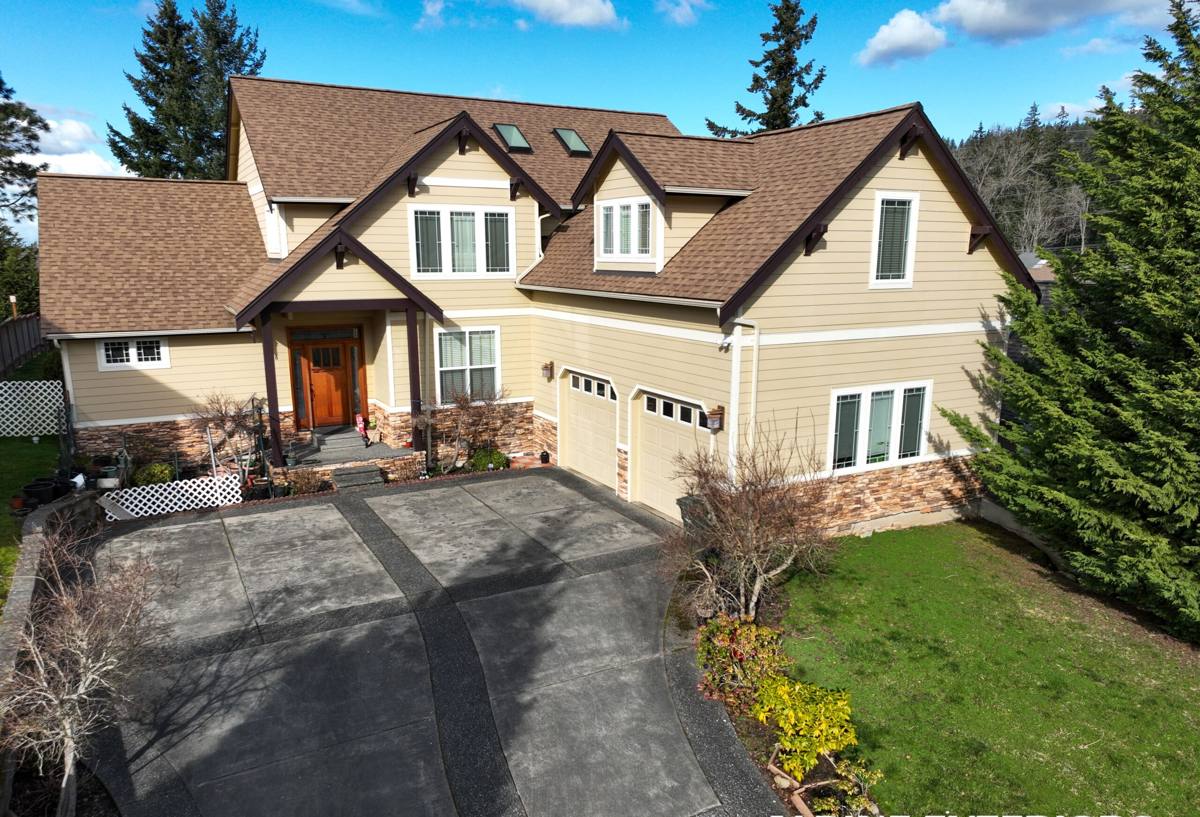
What a Deck Near the Water Actually Needs
Corrosion-Resistant Fasteners and Hardware
Salt air accelerates corrosion on standard fasteners, and once a fastener starts to rust it weakens the connection long before the wood around it shows any visible damage. We use stainless steel or heavy hot-dip galvanized fasteners and structural hardware rated for coastal exposure on every Ship Harbor project — not just on the visible decking screws, but on the joist hangers, post bases, and structural connectors buried inside the frame where nobody checks them until something fails.
Airflow to Fight Moss and Mildew
Moss and algae need standing moisture and shade to take hold, and both are in steady supply here for months at a time. Proper board spacing, joist orientation that lets water run off instead of pooling, and keeping the underside of the deck ventilated all reduce how much moss gets a foothold in the first place. A deck that's built tight against a damp hillside or under heavy tree cover needs this kind of planning even more than one out in the open.
Bracing for Wind Exposure
Properties near the water catch more open wind than sheltered inland lots. Guardrail posts, ledger connections, and footing depth all need to account for that extra load, not just the weight of people standing on the deck. This is a structural decision made at design time — it's not something you can retrofit cheaply after the fact.
Choosing a Decking Material for This Climate
There's no single "best" decking material — there's a best material for how a specific deck will be used, shaded, and maintained. Here's how the common options actually perform in a marine, high-moss environment like Ship Harbor:
| Material | Moisture & Salt Air Handling | Moss Resistance | Maintenance | Typical Lifespan |
|---|---|---|---|---|
| Pressure-treated wood | Good if sealed regularly; end grain is the weak point | Needs regular cleaning to stay ahead of it | Annual cleaning and re-sealing | 15-20 years with upkeep |
| Cedar | Naturally decay-resistant but still needs sealing near salt air | Moderate — still needs cleaning in shaded areas | Sealing every 1-2 years | 20+ years with upkeep |
| Composite decking | Excellent — doesn't absorb moisture like wood | Better than wood, but can still grow moss in deep shade if not cleaned | Periodic washing, no sealing needed | 25-30+ years |
| PVC decking | Best moisture performance of the group | Good, same shade caveat as composite | Lowest — occasional rinse | 30+ years |
We install all of these and won't push a homeowner toward the most expensive option if it doesn't fit the budget or the way the deck will be used. What we won't do is install a product in a location where its known weak points — like a wood species that needs frequent sealing going onto a heavily shaded, north-facing deck with no maintenance plan — set the homeowner up for a maintenance headache we could have flagged up front. That's a conversation we have honestly during the estimate, not an upsell.
The Structural Work Nobody Sees
A deck's long-term performance in this climate is decided mostly in the framing, not the surface boards. This is the part of the job that separates a deck that looks fine for two years from one that holds up for two decades.
Ledger Flashing
Where a deck attaches to the house, proper flashing keeps water from running behind the siding and into the wall framing — a serious problem in a climate with this much driving rain. This connection gets checked and detailed correctly on every job, not treated as a formality.
Joist Protection
Joist tape or an equivalent moisture barrier over the top of each joist keeps water from sitting directly on cut lumber, which is where rot typically starts first. It's a small material cost that prevents a large repair years down the line.
Footings and Drainage
Footings are set below the frost line and sized for the soil conditions on the specific lot — coastal lots can have different drainage characteristics than inland sites just a short drive away. Grading and drainage around the footings matter just as much as the footing itself; a footing sitting in standing water year-round will move regardless of how well it was poured.
Our Process, Start to Finish
- On-site assessment — we look at sun exposure, shade patterns, wind exposure, existing drainage, and how the deck will connect to the house before recommending anything.
- Design and material selection — we walk through the material comparison above in terms of your specific lot and budget, not a generic pitch.
- Permitting — we handle the permit application and inspections required for the project so you're not left navigating that alone.
- Build — framing and structural work first, inspected before decking goes down, then decking, railing, and finish details.
- Final walkthrough — we go over the finished deck with you, including what maintenance it needs and on what schedule, before we consider the job done.
Permits and Code Considerations Around Anacortes
Most decks attached to a house, or built high enough above grade, require a building permit — under the widely adopted residential building code, that threshold is typically around 30 inches above grade, though attached decks often need a permit regardless of height because of the structural connection to the house. Guardrails, baluster spacing, and stair requirements are also governed by code once a deck reaches a certain height. Requirements can vary based on your specific lot and jurisdiction, so we confirm exactly what applies to your property and pull the correct permits before work starts, rather than leaving that as a surprise partway through the job.
Keeping a Ship Harbor Deck Looking Good Year After Year
Whatever material you choose, a little seasonal attention goes a long way in this climate. A simple maintenance routine we recommend to homeowners in this area:
- Sweep debris and standing leaves off the deck regularly, especially in fall when they hold moisture against the boards
- Rinse or wash down shaded and north-facing sections more often than sunny areas, since that's where moss and algae take hold first
- Check and re-seal wood decking on the schedule appropriate to the species — don't wait until it looks obviously dry
- Keep gutters and downspouts near the deck clear so runoff isn't draining directly onto or under it
- Inspect ledger flashing and fastener heads once a year for early signs of rust or water staining
- Trim back overhanging branches where practical to reduce shade and speed up drying after rain
Why Hiring a Crew That Already Works This Area Matters
A contractor who mostly builds decks in drier, more sheltered parts of the county can still build a structurally sound deck — but they may not default to the fastener grade, flashing detail, or board spacing that this specific coastal environment rewards over time. Those aren't dramatic differences on install day; they're the difference between a deck that needs its first real repair in year six versus year eighteen. Working regularly in and around Anacortes and Skagit County means we've seen how decks in this exact kind of exposure actually age, and we build accordingly from the first estimate rather than learning it through a callback.
If you're planning a new deck or replacing one that's showing its age, we're happy to take a look and give you a straightforward, no-pressure estimate — including an honest read on which materials make sense for your specific spot. You can request one using the form below.