 Anacortes Roofing
 Storm Damage Roof Repair for Bow Homes
Bow sits close enough to Samish Bay and the open water of Skagit County that its roofs take a different kind of beating than homes further inland. Wind off the water, driving rain that comes in sideways during a fall or winter blow, and salt-laden air that never really lets a roof dry out completely all add up over time. When a storm does real damage — a lifted shingle line, a cracked ridge cap, a flashing seam torn open — the repair needs to account for all of that, not just patch the visible spot and move on.
This page covers what storm damage repair actually looks like for a home in Bow: what the local climate does to a roof, what a correct repair involves, and how we approach the work from the first call to the final walk-through.
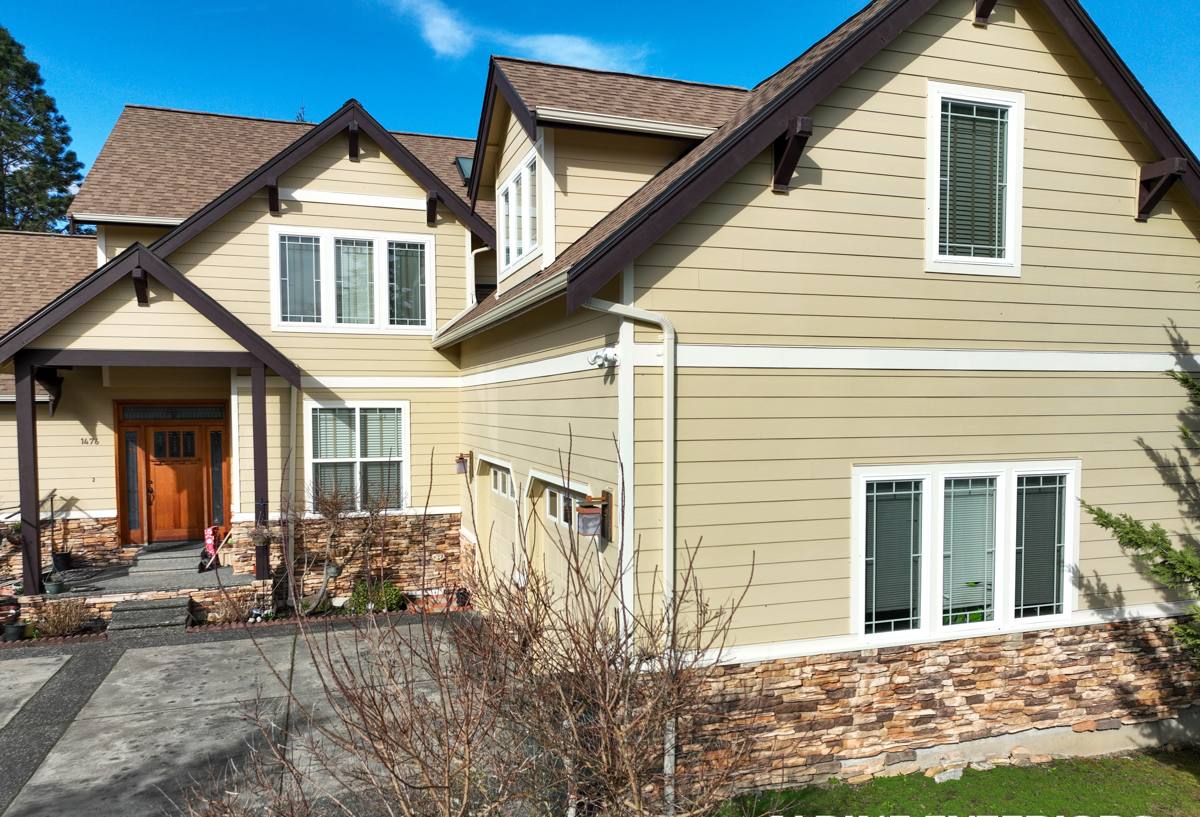
What Storms Actually Do to a Bow Roof
Most storm damage isn't as simple as "the wind ripped some shingles off." It usually shows up as a combination of smaller problems that, left alone, turn into a leak weeks or months later:
- Wind-lifted shingles — the sealant strip breaks loose, the shingle doesn't sit flat anymore, and water starts working underneath it during the next rain.
- Flashing separation — around chimneys, skylights, and roof-to-wall transitions, flashing can shift or pull away just enough to open a gap that isn't visible from the ground.
- Impact damage — branches and debris driven by wind can bruise or crack shingles, especially older asphalt that's already brittle from sun and salt exposure.
- Gutter and edge damage — wind-driven rain overloads gutters and can force water back up under the roof edge, especially where moss or debris has already slowed drainage.
- Underlayment saturation — once water gets past the surface layer, it can saturate the underlayment and sheathing even if nothing looks obviously wrong on top.
The tricky part is that storm damage often doesn't announce itself right away. A roof can look fine from the driveway and still have a compromised seal that turns into a stained ceiling three storms later.
Salt Air, Moss, and the Skagit County Climate Factor
Bow's location means two climate factors are almost always working against a roof at the same time, and a storm repair that ignores either one won't hold up.
Salt air
Proximity to Samish Bay puts a fine layer of salt on everything outdoors, roofs included. Salt accelerates corrosion on exposed metal — nails, flashing, gutter hardware — and can shorten the effective life of fasteners that aren't rated for coastal exposure. When we repair storm damage on a Bow roof, we pay close attention to what kind of metal is being used for flashing and fasteners, because the wrong choice corrodes faster here than it would fifteen or twenty miles inland.
Moss and prolonged moisture
Western Skagit County's long wet season means roofs here rarely get a real chance to fully dry out between fall and spring. That's ideal conditions for moss, and moss does more than look bad — it holds moisture against the shingle surface, lifts shingle edges as it grows, and channels water sideways into gaps it wouldn't otherwise reach. A storm-damaged roof with active moss growth nearby is at higher risk of a slow leak developing right next to the repair area if the moss isn't addressed at the same time.
Because of this combination, a storm repair in Bow isn't just "replace the damaged section." It's replacing the damaged section with materials and fastening methods suited to a marine, high-moisture climate, and dealing with any moss or drainage issue that contributed to the damage in the first place.
What a Correct Storm Damage Repair Involves
1. A full inspection, not just a spot check
We look at the whole roof, not only the area the homeowner noticed damage in. Wind and rain rarely affect just one spot — if one section took damage, nearby areas, flashing points, and the attic or ceiling below are worth checking too. We also check for pre-existing wear (sun-brittled shingles, thinning granules, older flashing) that made the storm damage worse than it would have been on a newer roof.
2. Checking underneath, not just the surface
Where shingles are lifted or missing, we check the underlayment and decking underneath before closing anything back up. If water has already reached the wood, that needs to be addressed now — sealing over a wet deck just traps the problem.
3. Matching materials properly
Shingle color and profile matter for appearance, but material compatibility matters more for performance. A repair using mismatched shingle types, incompatible sealants, or the wrong flashing metal can create a weak point that fails again in the next storm, sometimes faster than the original damage did.
4. Fixing the cause, not just the symptom
If damage happened because water was backing up from a clogged gutter, or because moss had already lifted a shingle edge, fixing the shingle without addressing the underlying cause just delays the next repair call.
Our Process, Start to Finish
- Initial contact and scheduling — we get a description of the damage and get someone out to look at it, prioritizing active leaks.
- On-site inspection — a full assessment of the damaged area, surrounding roof sections, and any related issues like drainage or moss.
- Written scope and estimate — a clear explanation of what needs repair, what materials we'd use, and why, before any work starts.
- Repair work — completed with attention to proper flashing, fastening, and sealing methods suited to Skagit County's coastal, wet climate.
- Final walk-through — we go over what was done and flag anything else worth keeping an eye on, even if it wasn't part of this repair.
Repair vs. Replace: How We Help You Decide
Not every storm-damaged roof needs full replacement, and not every roof is worth repeated repairs either. These are the factors that actually drive that decision:
| Factor | Leans Toward Repair | Leans Toward Replacement |
|---|---|---|
| Roof age | Under 10-12 years, otherwise in good condition | Nearing or past expected shingle lifespan |
| Extent of damage | Localized to one area or slope | Spread across multiple sections |
| Underlying wood condition | Sound, dry decking | Soft, stained, or repeatedly wet decking |
| History of prior repairs | First or second repair on this roof | Pattern of recurring repairs in different spots |
| Moss and drainage condition | Manageable with cleaning and minor fixes | Chronic moss damage across large areas |
We'll always tell you honestly which side of this table your roof falls on. A repair that's likely to fail again within a year or two isn't a good use of your money, and we'll say so.
Insurance and Storm Damage Claims
Many storm damage repairs in this area are covered, at least partially, by homeowner's insurance, particularly when wind or falling debris caused clear, documented damage. We can provide a written inspection report and photos that describe the damage in plain terms, which is generally what an adjuster needs to evaluate a claim. We don't handle the claim itself or promise a specific outcome — that's between you and your insurer — but we make sure the documentation on the roofing side is accurate and complete.
Why a Crew That Already Works Bow Matters
Roofing knowledge that works in a dry inland climate doesn't automatically transfer to a coastal, high-moisture area like Bow. A crew that regularly works Skagit County's water-adjacent communities already knows to spec corrosion-resistant fasteners, account for a longer moss season when planning maintenance, and recognize the early signs of salt-air wear versus normal aging. That local familiarity shows up in fewer callbacks and repairs that actually hold through the next storm season, not just until the next one.
Signs Your Bow Home May Need a Storm Damage Inspection
- Shingles that look lifted, curled, or out of alignment after a windstorm
- Granules collecting in gutters or at downspout outlets
- New or worsening stains on interior ceilings, especially near exterior walls
- Visible gaps or shifted flashing around chimneys, vents, or skylights
- Moss buildup near roof edges or valleys, especially after a wet stretch
- Debris, such as branches, that struck the roof during a recent storm
- Daylight visible through the roof deck from inside the attic
If any of these sound familiar, it's worth getting a professional look before the next storm rolls through off the water. We offer free, no-pressure estimates for storm damage repair in Bow and the surrounding Skagit County area — use the form below to get one scheduled.