 Anacortes Roofing
 Storm Damage Roof Repair for La Conner
La Conner sits close to open water at the edge of Skagit County, and that location shapes everything about how a roof ages there. Wind off the Swinomish Channel and the Salish Sea carries salt spray onto roofing materials, winter storms bring driving rain at angles that find every weak seam, and the wet, shaded stretches of the year grow moss faster than most homeowners expect. A roof that would coast along quietly in a drier inland town can develop real problems here in a few storm seasons if it isn't checked.
This page is about one job: repairing storm damage on La Conner roofs correctly, not just patching what's visible from the ground. We work in this part of Skagit County regularly, and the damage patterns we see here are specific enough that a generic repair approach often misses what actually caused the leak.
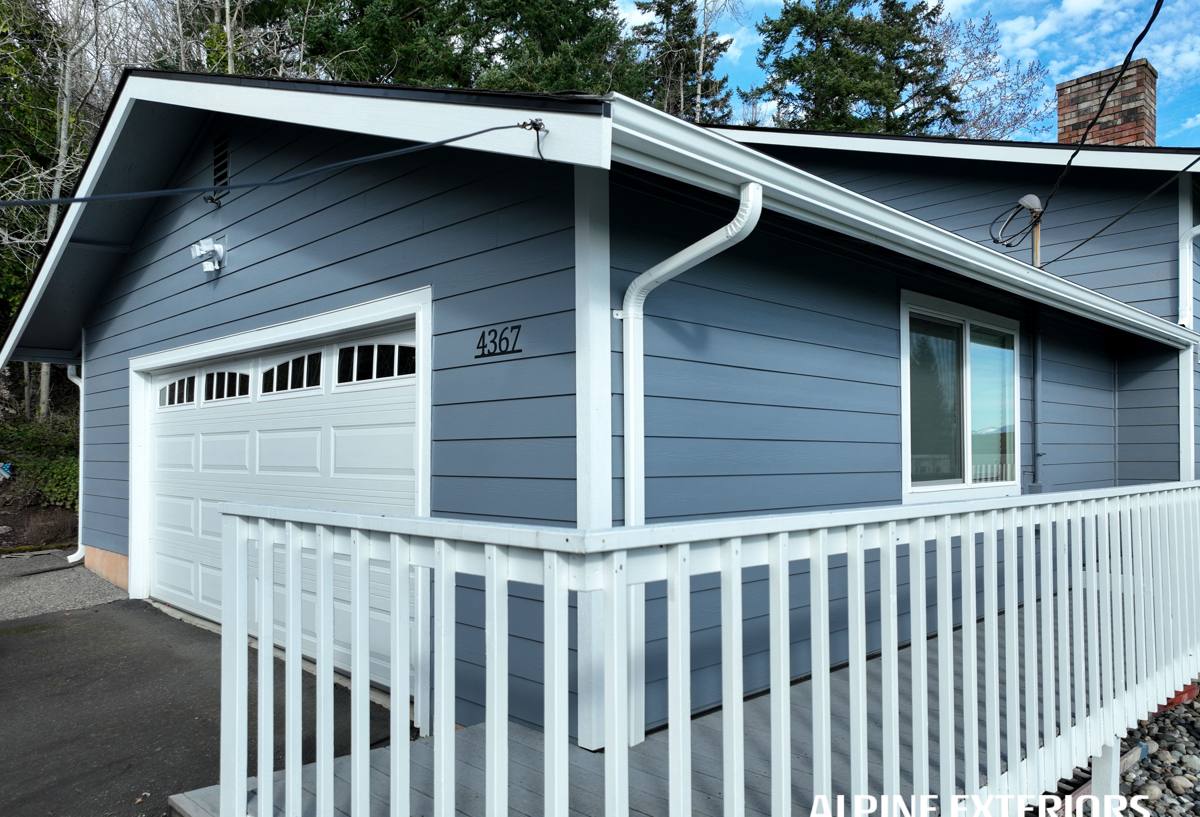
What Winter Storms Actually Do to a Roof Near La Conner
Storm damage rarely looks dramatic from the driveway. Most of the roofs we're called out to after a windstorm or heavy rain event have damage that's easy to miss unless you know where to look.
Wind and Wind-Driven Rain
Sustained wind off the water lifts shingle edges and tabs, breaking the seal strips that hold them flat. Once a few tabs lift, wind-driven rain gets pushed sideways under the shingle line instead of running off the surface, which is a different failure mode than a simple leak from a missing shingle. This is especially common on roof faces oriented toward open water or unobstructed fields, where there's nothing to slow the wind down before it hits the house.
Salt Air and Metal Fatigue
Salt-laden air corrodes exposed metal faster than it does further inland. Flashing, nail heads, gutter fasteners, and vent boots all take the brunt of this. A metal flashing that would last decades in a dry climate can start to pit and thin here, and once it does, it stops shedding water properly even if it looks intact from a distance.
Moss and Prolonged Moisture
Skagit County's long wet season means moss has months to establish itself on any roof section that stays shaded or doesn't dry out between rains. Moss holds moisture against the roofing material, works its way under shingle edges as it grows, and can lift tabs the same way wind does. A storm that wouldn't otherwise cause damage can finish the job on a roof that's already been weakened by a season or two of moss growth.
Debris Impact
Falling branches and wind-thrown debris are common during storm season here, and impact damage can crack shingles, dent metal roofing, or puncture underlayment in ways that don't leak immediately but fail the next time water pressure builds up against that spot.
What a Correct Storm Damage Repair Involves
A repair that only addresses the leak point usually leads to a second, related leak within a season or two. Storm damage tends to have both an obvious failure and a less obvious contributing cause, and both need attention.
- Confirming the actual entry point of water, which is often several feet from where the stain shows up on a ceiling or in an attic
- Checking underlayment condition around the damaged area, not just the shingles or roofing material on top
- Inspecting flashing at every penetration near the damage — chimneys, vents, skylights — since storm stress concentrates at these transitions
- Assessing whether moss or debris contributed to the failure, and clearing it so the repair isn't undone by the same conditions
- Matching replacement materials as closely as possible so the repair doesn't stand out or create a new weak seam at the boundary
- Checking gutters and drainage near the repair, since a storm that damages a roof section often also compromises the water path off of it
Our Process
1. Inspection and Documentation
We start with a full inspection of the damaged area and the roof sections around it, not just the spot where the leak is visible. We document what we find with photos, which matters for the insurance step if you're filing a claim.
2. Honest Scope Recommendation
We tell you plainly whether this is a repair or whether the storm damage has revealed a roof that's past the point where patching makes sense. We don't pad a small repair into a bigger job, and we don't undersell a repair that's genuinely going to need a fuller scope to hold up through the next storm season.
3. The Repair Itself
We remove and replace only what's actually compromised, tie new material into the existing roof correctly at the seams, and address flashing and drainage in the affected area rather than leaving them as-is.
4. Final Walkthrough
We walk the completed repair with you, explain what we found and what we did, and point out anything else on the roof worth keeping an eye on given how this house sits relative to wind and water exposure.
Repair vs. Replace: What Drives the Decision
Not every storm-damaged roof needs full replacement, but not every roof should be patched either. The table below covers the factors that typically decide which way a La Conner roof should go.
| Factor | Favors Repair | Favors Full Replacement |
|---|---|---|
| Roof age | Under roughly 12-15 years, otherwise sound | Nearing or past its expected material lifespan |
| Damage extent | Isolated to one section or a few penetrations | Spread across multiple roof faces |
| Underlayment condition | Dry, intact away from the damage | Saturated or degraded in multiple areas |
| Moss/algae history | Minimal, or recently cleaned | Long-term buildup affecting large areas |
| Prior repairs | Few or none | Multiple past patches showing this roof has been struggling for a while |
| Salt/wind exposure | Partially sheltered by trees or terrain | Direct, unobstructed exposure to water and prevailing wind |
A roof with heavy direct exposure to the water and wind that La Conner sees will simply wear faster than a similar roof set back and sheltered, even if both are the same age. That's part of why we look at the whole roof, not just the storm-damaged section, before recommending a path.
Insurance Claims and Storm Damage
Most storm damage claims move faster and go smoother when the damage is documented clearly and promptly. We provide photo documentation and a written scope of the damage and repair that you can hand to your insurance adjuster. We're not a public adjuster and we don't negotiate your claim for you, but a clear, honest assessment from a contractor who inspected the roof in person is something adjusters take seriously, and it helps avoid disputes over what was storm-caused versus pre-existing wear.
Why Hire a Crew That Already Works in La Conner
Roofing crews that mainly work drier, more sheltered inland areas don't always account for how differently a roof ages when it's exposed to salt air and sustained wind off the water. A repair approach that's perfectly adequate in a sheltered neighborhood can undersize the flashing or underlayment work needed on a more exposed La Conner roof, and that shows up as a repeat leak the following storm season.
Working this stretch of Skagit County regularly also means knowing which roof orientations and roof types tend to take the worst of a given storm track, which helps during the inspection — we know where to look first, not just where the visible leak happens to be.
Signs Your Roof Needs a Storm Damage Inspection
After any significant wind or rain event, it's worth checking for these signs, or having us check for you:
- Shingles that look lifted, curled, or out of alignment compared to the rest of the roof
- Granules collecting in gutters or at downspout outlets after a storm
- New or worsening moss growth, especially on shaded or north-facing roof sections
- Water stains on ceilings or in the attic that weren't there before the storm
- Visible metal flashing that looks bent, lifted, or corroded around chimneys and vents
- Debris on the roof, even small branches, that could indicate impact damage underneath
- Gutters pulling away from the fascia or overflowing during rain
A Straightforward Next Step
If a recent storm has you wondering whether your La Conner roof took damage, we're glad to take a look. We'll give you a straight answer about what we find, what it would take to fix it correctly, and what it would cost — no pressure, no inflated scope. Use the form below to request a free estimate and we'll get in touch to schedule a time.