 Anacortes Roofing
 Why Window Installation Looks Different on Fidalgo Island
Fidalgo Island sits surrounded by saltwater on nearly every side, and that changes what a window installation needs to hold up to. A window that performs fine in a sheltered inland neighborhood can fail years early on a wall that takes direct salt spray and wind-driven rain off Rosario Strait or the Strait of Juan de Fuca. Add in Anacortes' long, damp shoulder seasons and a moss and lichen season that can run most of the year on shaded north walls, and it's clear this isn't a job where one generic approach fits every house.
Before we talk about products or price, a correct window installation on Fidalgo Island starts with reading the house: which walls face prevailing weather, how much sun and drying time a wall gets, what the existing siding and trim are doing, and whether the wall assembly behind the old window has already been compromised by years of moisture. Skip that step and even a good window will underperform.
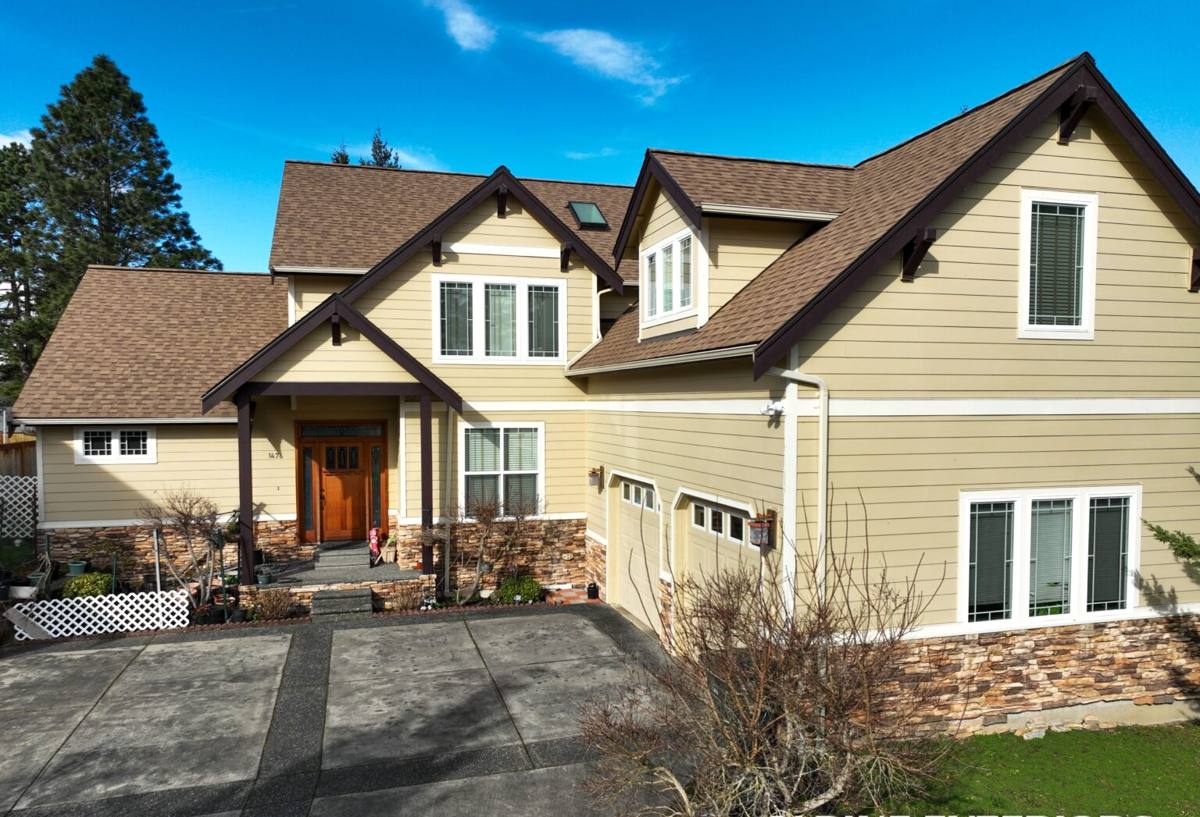
What Anacortes' Marine Climate Does to Windows Over Time
Skagit County's marine climate is gentler than a lot of the country in terms of temperature swings, but it's harder on building materials in other ways that matter specifically for windows.
Salt-laden air corrodes exposed metal hardware, screen frames, and fasteners faster than it would inland — cranks, locks, and balance hardware on older windows often show pitting or stiffness well before the glass itself fails. Driving rain, especially on west- and south-facing walls exposed to open water, puts constant pressure on flashing and sealant joints; any gap that would sit dry for weeks inland gets tested here on a weekly basis. Moss and lichen on shaded siding and trim hold moisture against the wall longer after a storm, which extends the amount of time wood trim and sheathing around a window opening stays wet. And repeated wet-dry cycling through the fall and winter is what eventually swells, cracks, and rots wood window components that would otherwise last for decades in a drier climate.
None of this means windows fail quickly on Fidalgo Island — well-built, well-installed windows last a long time here too. It means the margin for a poor installation or the wrong material is smaller than it is elsewhere.
Signs It's Time to Replace Your Windows
Homeowners often wait longer than they should because the early signs are subtle. Watch for these:
- Fogging or a milky haze between the panes of a dual-pane window — the seal has failed and the insulating gas is gone
- Soft, spongy, or discolored wood at the sill, jambs, or corners of the frame
- Windows that are hard to open, close, or lock, or that no longer sit flush
- Noticeable drafts or cold spots near the window even with it fully closed
- Visible rust, pitting, or stiffness on cranks, locks, or hinge hardware
- Peeling or bubbling paint on interior or exterior trim immediately around the frame
- Moss, algae, or standing moisture sitting on the exterior sill or bottom trim
- A musty smell near the window that wasn't there before, which can point to hidden moisture in the wall
Any one of these on its own might just need a repair. Several together, especially on a wall that takes direct weather, usually means the window and the opening around it need a proper look.
What a Correct Window Installation Actually Involves
A window replacement is not just swapping the sash and calling it done. On a coastal wall, the work below the surface matters more than the window itself.
Inspecting the Opening
Once the old window is out, the rough opening gets inspected for rot, water staining, and soft framing before anything new goes in. Covering up a compromised opening with a new window is the single most common cause of early failures we see on replacement jobs — the new window looks fine, but the wall behind it was already damaged.
Flashing and Water Management
This is the part that decides whether the installation survives an Anacortes winter. A correct install includes a sloped sill pan to direct any water that gets past the window back outside, proper integration with the house wrap or building paper so water sheds over each layer rather than behind it, and head flashing that ties in correctly with the siding above. On a wall exposed to driving rain, these details are what actually keep water out — the caulk bead around the trim is a backup, not the primary defense.
Setting the Window
The window needs to be level, plumb, and square in the opening, shimmed correctly so it isn't stressed or bowed, and fastened per the manufacturer's specifications to preserve the warranty. Gaps around the frame get insulated, not just caulked shut, to control both heat loss and condensation.
Sealing and Trim
Exterior sealant needs to be compatible with the siding material it's meeting — vinyl, fiber cement, or wood trim each call for a slightly different approach — and interior trim gets reset or replaced so the finished look matches the rest of the room.
Materials and Glass Choices for a Marine Climate
There's no single "best" window material for every house, but some perform more predictably than others in salt air and constant moisture. Here's how the common options generally compare for this specific climate:
| Material | Salt Air / Moisture Performance | Maintenance | Best Fit on Fidalgo Island |
|---|---|---|---|
| Vinyl | Good — won't rot or corrode; hardware quality varies by manufacturer | Low; occasional cleaning | Most homes, especially budget-conscious full-house replacements |
| Fiberglass | Very good — dimensionally stable through wet-dry and temperature cycling | Low | Exposed walls that take direct wind and rain |
| Wood, clad exterior | Fair to good on the clad side; interior wood still needs care | Moderate — exterior clad protects wood, interior finish needs upkeep | Homes prioritizing a traditional wood interior look |
| Solid wood, unclad | Weakest in this climate without diligent, ongoing maintenance | High | Historic or character homes where owners commit to regular upkeep |
On the glass side, dual-pane units with a low-E coating and an argon or krypton gas fill are the standard now, and for good reason in a climate like this — they cut heat loss through the glass and reduce interior condensation on cold, damp days, which is a common complaint in older single-pane or early dual-pane homes around Anacortes. Washington's state energy code sets minimum performance requirements for replacement windows, described by U-factor (lower is better for insulating value); we'll walk through what qualifies for your specific project rather than leave you guessing at a spec sheet.
Our Process, Start to Finish
- On-site assessment. We look at each window opening, note wall exposure and existing damage, and measure for accurate ordering.
- Material and product selection. We walk through material, glass package, and style options based on that specific wall's exposure and your budget — not a one-size answer for the whole house.
- Ordering and scheduling. Lead times vary by manufacturer and style; we schedule install around a realistic weather window rather than rushing into a wet stretch.
- Protection of the work area. Interior floors, furnishings, and landscaping near the work area are protected before removal begins.
- Removal and opening inspection. The old window comes out and the opening is checked before anything new is installed — any rot or damage found gets addressed, not covered up.
- Installation. The new window is set, flashed, insulated, and fastened to manufacturer specification.
- Trim and sealing. Interior and exterior trim is finished and sealed with materials compatible with your siding.
- Walkthrough and cleanup. We test operation of every window with you and clear the site of debris and packaging.
Permits, Codes, and Egress in Anacortes
Straight window swaps — same size, same opening, same style — typically move through with minimal red tape, but changes to opening size, header structure, or converting a window into an egress opening for a bedroom usually require a permit through the City of Anacortes building department. Bedroom windows have minimum size and sill height requirements under building code specifically for emergency escape and rescue; if your project touches a bedroom window, we'll confirm what applies to your house rather than assume. Washington's state energy code also sets minimum performance standards for replacement windows, which is one more reason low-end, big-box glass packages don't always meet code on their own. We handle the permit conversation up front so there are no surprises mid-project.
Cost Factors for Fidalgo Island Window Projects
Every house is different, but the line items that actually move a window project's price are consistent. As a broad range, homeowners in this area are typically looking at somewhere around $600 to $1,400 per window installed depending on size, material, and condition of the opening — full-house projects and larger or specialty windows run higher. The factors below explain why two houses with the "same number of windows" can land at very different totals.
| Factor | Why It Matters Here |
|---|---|
| Number and size of windows | Larger picture or specialty shapes cost more than standard double-hung or slider sizes |
| Material and glass package | Fiberglass and upgraded low-E/gas-fill packages cost more than base vinyl but pay back in durability on exposed walls |
| Condition of the rough opening | Rot repair at the sill or framing adds labor and material that can't be known until the old window is out |
| Wall exposure and access | Second-story or hard-to-access windows on wind-exposed walls take more time and staging |
| Code or egress changes | Enlarging an opening or adding a header changes the scope beyond a straight swap |
| Trim and siding tie-in | Matching existing wood, fiber cement, or vinyl trim adds finish work beyond the window itself |
Why Hire a Crew That Already Works Fidalgo Island
A window installer who mostly works drier, more sheltered areas can still install a technically correct window and have it underperform here, simply because they're not used to designing for this level of sustained wind-driven rain and salt exposure. A crew that already works Fidalgo Island homes knows which walls in this area tend to take the worst weather, has already seen what happens when flashing details get shortcut on an exposed wall, and knows which materials and hardware hold up versus which ones need babying. That local pattern recognition is the difference between an install that looks right on day one and one that's still performing correctly five winters from now.
It also matters for scheduling and follow-up. A crew based in the area can work around Anacortes' weather windows realistically, and if a question comes up after the install — a stuck lock, a drafty spot, anything — you're not waiting on someone who has to drive in from out of the area.
Ready to Talk About Your Windows?
If your Fidalgo Island home has windows showing their age — fogging, drafts, rot, or hardware that's had enough — we're happy to take a look and give you an honest read on what's needed. Reach out for a free, no-pressure estimate using the form below, and we'll walk your home's specific exposure and options with you before any work begins.