 Anacortes Roofing
 Windows in West Anacortes Take a Different Kind of Beating
West Anacortes sits close enough to the water that salt air is part of daily life, not an occasional nuisance. Combine that with the driving rain that rolls in off Fidalgo Bay and Rosario Strait, plus the long, damp moss season that Skagit County gets every fall through spring, and you have a set of conditions that wear on window components faster than they would in a drier, inland part of the state. Aluminum hardware corrodes. Wood sashes hold moisture longer than they should. Seals that are only rated for average exposure start failing early. None of this is dramatic — it's slow, and that's exactly why homeowners often don't notice a window is compromised until they feel a draft, see fogging between panes, or find soft wood at a sill.
We're not describing a different product line here. We're describing a different set of priorities when we spec materials, seal a frame, and flash an opening for a home in this part of Anacortes.
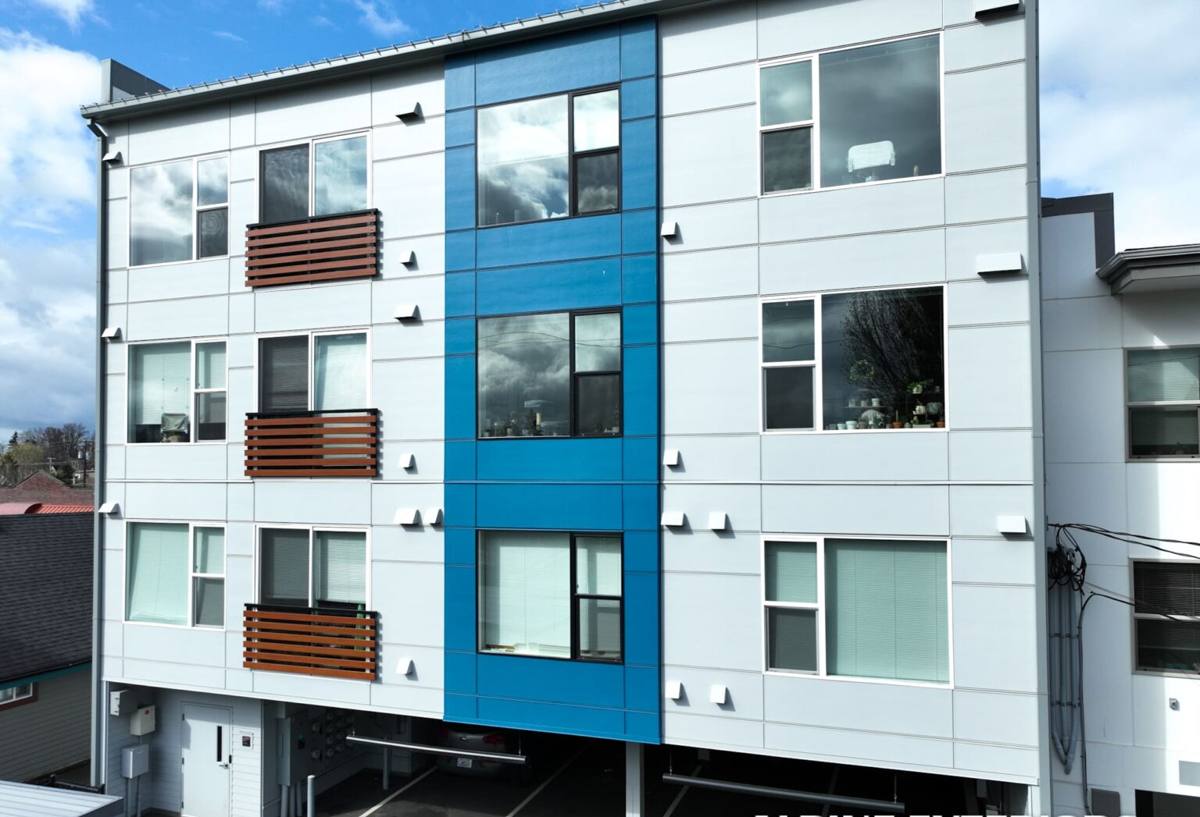
What Salt Air and Coastal Moisture Actually Do to a Window
It helps to know what's happening at the material level, because it explains why some window choices hold up here and others don't.
- Corrosion of metal hardware — locks, hinges, balance systems, and screen frames made from lower-grade aluminum or unprotected steel corrode faster in salt-laden air. Once a lock or balance corrodes, the window doesn't operate smoothly, and that's often the first sign something is wrong.
- Seal and gasket fatigue — the rubber and vinyl seals that keep water and air out are under more stress in a marine climate. Repeated wet-dry cycling breaks them down faster than a drier climate would.
- Wood rot at end grain and joints — any wood window or wood-clad frame is vulnerable at cut ends and joints where end grain is exposed. Constant damp air, plus rain that doesn't fully dry between storms, keeps moisture in contact with wood longer.
- Moss and organic growth on sills and tracks — moss doesn't just grow on roofs here. It takes hold in window tracks, on exterior sills, and in any spot that stays damp and shaded, holding moisture against the frame and finish.
- Condensation and fogging — when an insulated glass unit's seal fails, moisture gets between the panes and can't escape. In a marine climate with high ambient humidity, this shows up sooner and is more persistent than it would be in a dry region.
Signs a West Anacortes Home Needs Window Replacement, Not Just a Repair
Not every window problem means full replacement. But there are signs that point to a frame or unit that's past the point where caulk and weatherstripping will fix it:
- Fogging, haze, or visible moisture between panes of a double-pane window — this means the seal has failed and the insulating gas or dead air space is gone.
- Soft, spongy, or discolored wood at the sill, jamb, or corners — this usually means rot has already started and is likely to keep spreading.
- Windows that are difficult to open, close, or lock — often a sign of corroded hardware or a frame that has swollen or shifted.
- A persistent draft you can feel with your hand near the frame, even with the window latched.
- Visible gaps between the window frame and the siding or trim, which lets both air and water find a path inward.
- A noticeable increase in heating costs without another clear explanation.
If you're only seeing one or two of these and the frame itself is sound, a repair or re-seal may be the more honest answer — we'll tell you that directly if it's the case.
What a Correct Window Replacement Involves Here
It Starts With the Opening, Not the Window
The window unit itself is only part of the job. In a climate where wind-driven rain is common, how the opening is flashed and sealed matters as much as the product you put in it. A correct installation includes:
- Removing the old unit and inspecting the rough opening for hidden rot or water damage before anything new goes in.
- Repairing any damaged framing or sheathing found during that inspection — not covering it up.
- Installing flashing that directs water down and away from the opening, lapped correctly with the building's water-resistive barrier.
- Sealing the perimeter with materials suited to sustained damp exposure, not just a generic caulk bead.
- Setting the window level, plumb, and square, then confirming it operates smoothly before final trim goes back on.
Then the Window Itself
Frame material, glass package, and hardware all matter, but they matter differently depending on exposure. A window on a wall that takes direct weather off the water needs a different level of protection than one on a sheltered side of the same house. We look at each opening's actual exposure rather than treating every window on the house the same.
Frame Material Comparison for This Climate
| Frame Material | How It Handles Salt Air & Moisture | Maintenance | Typical Trade-Offs |
|---|---|---|---|
| Vinyl | Doesn't corrode or rot; performs consistently in coastal, damp conditions | Low — occasional cleaning | Fewer color/finish options than wood or fiberglass |
| Fiberglass | Very stable in moisture and temperature swings; resists corrosion | Low to moderate | Higher upfront cost than vinyl |
| Wood (unclad) | Attractive but vulnerable to moisture; needs a sound exterior seal to hold up here | High — regular painting/sealing, inspection for rot | Best reserved for sheltered exposures with a disciplined maintenance plan |
| Aluminum-clad wood | Cladding protects the exterior face, but cut ends and joints still need careful detailing | Moderate | Cladding quality and installation detail matter a lot in this climate |
| Aluminum (uninsulated) | Prone to corrosion and conducts cold; generally not our first recommendation for direct coastal exposure | Moderate to high | Can perform adequately in sheltered spots with good hardware, but it's not our default choice here |
We're not against wood or aluminum-clad windows as a category — plenty of homes in West Anacortes have them and they can look great. Our point is narrower: whatever frame material a homeowner chooses, we make sure the installation detailing accounts for the exposure that specific opening actually gets, and we're honest up front about the maintenance commitment that comes with it.
Glass and Weatherstripping Choices That Matter Here
Beyond the frame, a few product-level choices make a real difference in a marine climate:
- Insulated glass unit (IGU) seal quality — a well-made dual or triple-pane unit resists the seal failure that leads to fogging. This is one area where cutting corners shows up within a few years, not decades.
- Corrosion-resistant hardware — locks, hinges, and balance systems built for coastal or marine exposure hold up better than standard-grade hardware.
- Weatherstripping material — some compounds resist compression set and UV/moisture breakdown better than others, which matters when a window sees repeated wet-dry cycling most of the year.
- Screen frame material — even something as small as screen framing can corrode faster near the water; it's worth asking about when comparing quotes.
Our Process for a West Anacortes Window Replacement
- On-site assessment — we look at each window individually, not just the house as a whole, since exposure varies by wall and by how sheltered or exposed a given opening is.
- Honest scope — we tell you which windows genuinely need replacement, which could be repaired, and why, including if we find hidden rot or framing damage during inspection.
- Product selection — we walk through frame material and glass package trade-offs based on your budget and each opening's exposure, not a one-size-fits-all package.
- Careful removal and opening prep — including addressing any water damage found before the new unit goes in.
- Installation with proper flashing and sealing — detailed for sustained wind-driven rain, not just a quick caulk-and-trim job.
- Final check — confirming smooth operation, a tight seal, and clean trim work before we consider the job done.
Why Local Experience With This Specific Climate Matters
A window replacement crew that mostly works drier, inland regions can still install a window correctly on paper and still get outperformed by conditions they weren't planning for — an opening that doesn't drain the way it should, a sealant that wasn't rated for constant damp exposure, or hardware that corrodes within a couple of seasons. Working in and around Anacortes and Skagit County regularly means we're used to sizing up exposure on a wall-by-wall basis, flashing details that hold up to driving rain off the water, and material choices that don't need to be relearned every job. It's a narrower kind of expertise than "we install windows" — it's "we install windows that hold up to this specific place."
Pre-Estimate Checklist for Homeowners
Before we come out, a quick walk around your home can help the estimate go faster and give us a clearer starting picture:
- Note which windows are hardest to open, close, or lock.
- Look for fogging or moisture between panes on each window, especially on walls facing the water or prevailing wind.
- Check sills and lower corners for soft, discolored, or spongy wood.
- Feel for drafts near frames on a windy day.
- Note any visible gaps between window trim and siding.
- Check window tracks and exterior sills for moss or organic growth buildup.
- Have a rough idea of which rooms feel drafty or hard to keep comfortable in winter.
What to Expect on Cost
Window replacement pricing depends on frame material, glass package, size, number of openings, and how much opening repair is needed once the old unit comes out. Homes closer to direct water exposure sometimes need more attention to flashing and sealant detail, which can affect labor time. Rather than quote a number that doesn't reflect your actual home, we provide a written estimate after seeing the windows in person, broken down so you know what you're paying for.
If you're noticing drafts, fogged glass, or sticking windows in your West Anacortes home, we're glad to take a look. The estimate is free, there's no pressure to commit on the spot, and you'll get a straight answer about what your windows actually need — just fill out the form below to get started.