 Anacortes Roofing
 Why Burlington Homes Need Windows Built for This Climate
Burlington sits a little further inland than Anacortes, but it's still squarely inside the same weather system that moves off Rosario Strait and Puget Sound. The same fronts that bring salt-laden marine air to the coast push driving rain and long stretches of gray, damp weather through the whole of Skagit County, Burlington included. Homes here don't get hit with hurricane-force wind, but they get something arguably harder on windows: months at a time of sustained moisture, wide daily temperature swings between foggy mornings and mild afternoons, and a moss and mildew season that can run from October through April.
Windows take the brunt of that. Frames absorb moisture at every seam. Old or poorly flashed units let water track down into the wall cavity where nobody sees it until there's soft trim, a musty smell, or a stain blooming on the drywall below the sill. Custom windows done right in this climate aren't just about looks or energy bills — they're about keeping water where it belongs, which is outside.
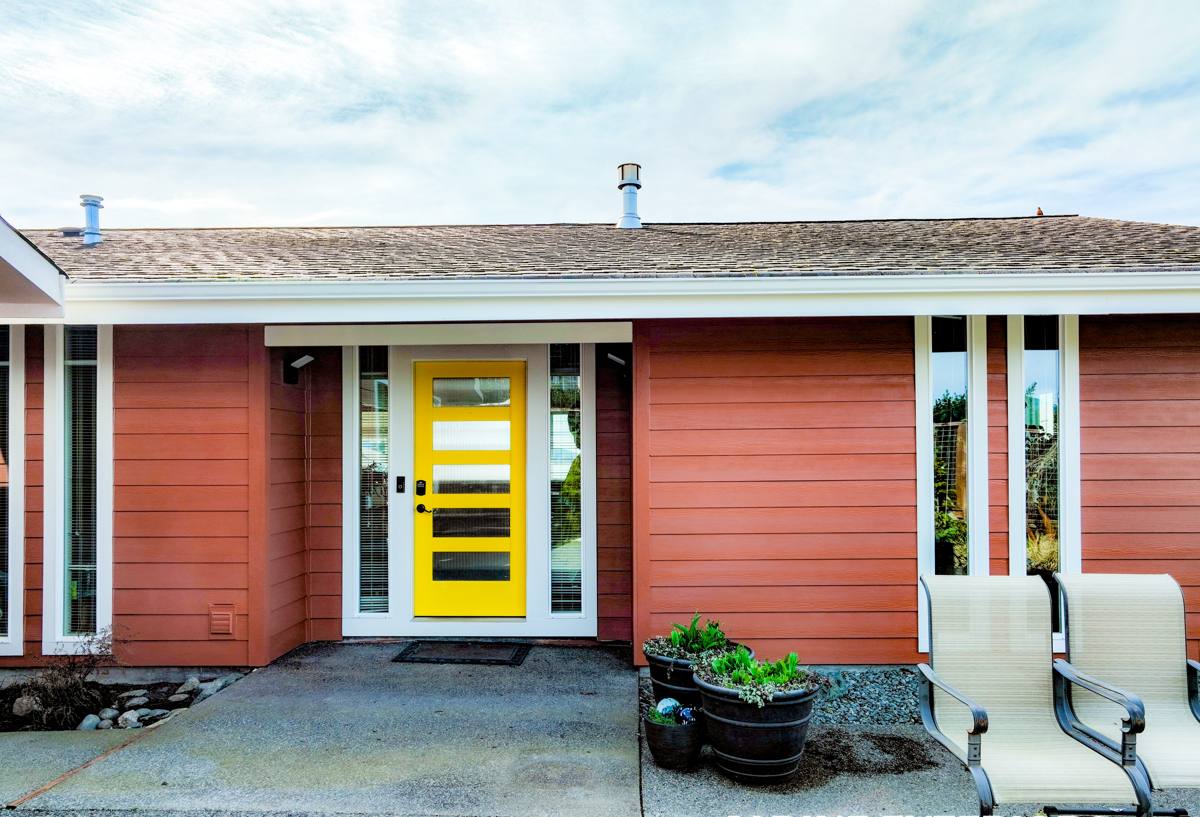
What a Correct Custom Window Installation Involves
"Custom" doesn't just mean a non-standard size. It means the window and the installation are matched to the specific opening, the specific wall assembly, and the specific exposure that opening gets. In Skagit County's wet climate, that match matters more than the brand name on the sticker.
The parts homeowners rarely see
- Proper flashing integration with the existing house wrap or building paper, lapped correctly so water sheds outward and down, never inward
- Sill pan flashing under every window, not just the ones facing the weather — this is the single most common shortcut we see skipped on older installs
- Correct sealant selection and joint design, since not every caulk or foam is rated for constant damp exposure
- Proper shimming and squaring so the sash operates smoothly for years, not just on install day
- Interior and exterior trim work that's sealed, not just caulked over gaps
Skipping any one of these doesn't usually cause a problem in year one. It shows up in year three or four, after a few wet winters have worked water past a gap that looked fine when it was installed. That's the part of the job that doesn't photograph well but is the actual difference between a window that lasts twenty years and one that needs attention in five.
Signs Your Current Windows Are Losing the Battle
Most homeowners don't think about their windows until something goes wrong. In this climate, the early signs are often subtle. Worth checking for:
- Fogging or a permanent haze between the panes — the seal on the insulated glass unit has failed
- Soft or discolored wood trim around the window, inside or out
- Visible moss or dark streaking on the sill or exterior casing
- Drafts you can feel with a hand near the frame on a windy day
- Windows that are hard to open, stick, or won't stay up on their own
- A musty smell near the window that wasn't there before
- Condensation forming on the inside of the glass regularly, even with normal ventilation
Any one of these on its own isn't an emergency. Several at once, or any sign of soft wood or staining, is worth having looked at before another wet season adds to the damage.
Choosing the Right Frame Material
There's no single "best" window material — there's a best fit for the exposure, the budget, and how the home is built. Here's how the common options hold up in a marine, high-moisture climate like Skagit County's:
| Frame Material | Moisture Performance | Maintenance | Typical Fit |
|---|---|---|---|
| Vinyl | Won't rot; seams and welds need to be well-made to stay watertight long-term | Low — occasional cleaning | Most homes; best value for the climate |
| Fiberglass | Excellent — dimensionally stable, doesn't expand or contract much with wet/dry cycles | Low | Homes wanting higher performance and a longer service life |
| Wood-clad (metal or vinyl exterior, wood interior) | Good if the cladding is intact; exposed wood joints are a risk point | Moderate — watch cladding seams | Homes prioritizing a traditional interior look |
| All-wood | Requires diligent upkeep in this climate; prone to rot if paint or finish fails | High — regular repainting and sealing | Historic homes where matching original material matters |
| Aluminum | Doesn't rot but conducts cold and can condensate without a thermal break | Low | Less common for residential retrofits here |
We're honest with homeowners about the trade-offs of each. All-wood windows can look great, but in a climate with this much sustained dampness, they demand a maintenance schedule most people underestimate. That's not a knock on wood — it's just a real cost of ownership worth knowing before you commit.
Our Custom Windows Process in Burlington
1. On-site assessment
We look at the existing openings, the wall assembly behind them, and the exposure each side of the house gets. A window on the weather side of a home needs more attention to flashing detail than one tucked under an eave.
2. Accurate measurement and material selection
Custom means built to the actual opening, not a stock size forced to fit. We talk through frame material, glass package, and trim options based on the home and your budget, not a one-size pitch.
3. Removal and inspection
Old windows come out carefully so we can actually see the condition of the framing and sheathing underneath. This is often where hidden moisture damage from a prior bad install shows up — better to find it now than after the new window is in.
4. Installation with proper moisture management
Sill pans, flashing, correct sealant, and squared, shimmed framing — every time, not just on the windows that face the weather.
5. Trim, seal, and final check
Interior and exterior finish work, operation check on every sash, and a walkthrough so you know what to expect from the new windows.
6. Cleanup
Old units and debris hauled off — you shouldn't be left dealing with the mess.
What Affects the Cost of Custom Windows
Costs vary a fair amount project to project. Rather than quote a number that won't mean much without seeing the home, here's what actually moves the price:
| Factor | Why It Matters |
|---|---|
| Number and size of openings | More or larger windows means more material and labor |
| Frame material | Vinyl is typically the most economical; fiberglass and wood-clad cost more |
| Glass package | Double-pane vs. triple-pane, low-E coatings, and gas fill all affect price and performance |
| Condition behind the existing window | Hidden rot or framing damage found during removal adds repair scope |
| Access and site conditions | Upper-story or hard-to-reach openings take more time and equipment |
| Trim and finish work | Matching existing interior trim or upgrading exterior detailing adds labor |
We give a real, itemized estimate after seeing the actual openings — not a phone-quote guess that changes once we're on site.
Why Local Experience in Skagit County Matters
A crew that works Burlington and the surrounding Skagit County area regularly knows things a traveling or out-of-area installer doesn't: which older Burlington-area homes tend to have particular framing or moisture quirks, how local permitting and inspection works, and what a proper install actually needs to withstand a full wet season here, not just look good on install day.
It also means accountability. If a seal needs a follow-up check after the first hard winter, or a question comes up two years later, you're calling a crew that's still working in your area — not chasing down a company that came through once and moved on.
Maintaining Your New Windows Through Moss Season
A correctly installed custom window is largely maintenance-free, but a few habits extend its life in this climate:
- Clear debris and moss from sills and tracks a couple times a year, especially heading into fall
- Check weep holes on the exterior aren't blocked, so water can drain out as designed
- Rinse salt and grime off exterior frames periodically if the home has direct coastal exposure
- Watch for any new soft spots in exterior trim and address them early, before moisture spreads
- Keep gutters and downspouts clear so runoff isn't sheeting directly across window openings
None of this is intensive, but a little attention twice a year catches small issues before a wet Skagit County winter turns them into bigger ones.
If you're weighing whether it's time to replace aging windows or you're planning custom windows for a Burlington home, we're glad to take a look and give you a straight, no-pressure estimate — just fill out the form below.