 Anacortes Roofing
 Roof Replacement Built for Burlington's Climate
Burlington sits inland from Anacortes but still gets the full weather package that defines this part of Skagit County: long stretches of driving rain off the Sound, salt-laden air that travels farther than most homeowners expect, and a moss season that can run eight months out of the year in shaded, north-facing roof sections. A roof replacement here isn't just about swapping old shingles for new ones — it's about specifying and installing a system that's going to hold up to that specific combination year after year.
We've replaced roofs across Burlington and the surrounding Anacortes area long enough to know which failure patterns show up first, which materials actually earn their keep in this climate, and which shortcuts cause callbacks two winters down the road. This page walks through what a correct roof replacement looks like for a Burlington home, what our process involves, and what to ask any contractor before you sign a contract.
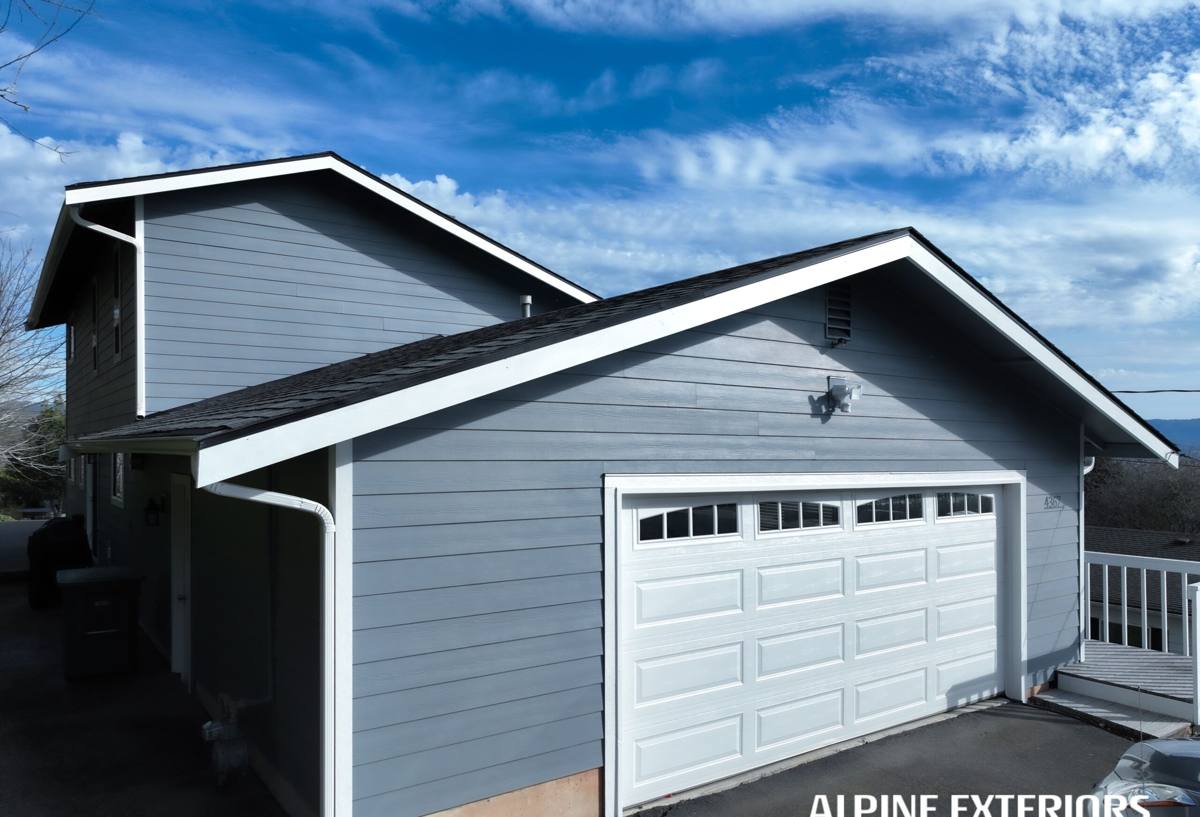
Why Burlington Roofs Wear Differently
Roofs in dry inland climates and roofs here don't age the same way, even when they're built from identical materials. A few things drive that locally:
Salt Air and Metal Fatigue
Even homes several miles from saltwater in Burlington see accelerated corrosion on exposed fasteners, flashing, and metal roof panels compared to roofs further east in Skagit County. Uncoated or poorly galvanized hardware is often the first thing to fail, showing up as rust streaks and loosened flashing years before the roofing material itself is due for replacement.
Driving Rain and Wind-Driven Moisture
Storms here don't just drop rain straight down — wind pushes it sideways and up under laps, ridges, and step flashing that would stay dry in a calmer climate. That's why underlayment coverage, flashing detail, and fastening pattern matter more here than in most of the country. A roof that's "close enough" on flashing detail in a mild climate will leak here.
Moss, Shade, and Slow-Drying Surfaces
Mature tree cover and the region's overcast stretches keep north- and west-facing roof slopes damp for days after a storm passes. That's ideal moss and lichen growth conditions, and moss holds moisture directly against the roofing material, works into shingle laps, and lifts edges over time. Roofs that never get direct sun exposure need a material and ventilation approach that accounts for that from day one — not moss treatment as an afterthought.
Signs a Burlington Roof Needs Replacing, Not Patching
Not every problem calls for a full tear-off. But a few signs consistently mean repair is a temporary fix, not a real solution:
- Granule loss heavy enough that you can see bare asphalt mat on multiple slopes, not just one storm-damaged section
- Moss or lichen that's returned within a year or two of cleaning, especially with visible lifting at shingle edges
- Soft or spongy decking felt underfoot during inspection, indicating moisture has reached the sheathing
- Flashing that's rusted through or separated at chimneys, skylights, and roof-to-wall transitions
- Interior staining that reappears after repairs, meaning the leak path hasn't actually been closed
- A roof already past 20-25 years old (asphalt) where repair costs are starting to approach a fraction of full replacement
What a Correct Roof Replacement Includes
A roof replacement done right in this climate is a system, not just a single product. Cutting corners on any one layer undermines the rest.
Tear-Off and Deck Inspection
We remove the existing roofing down to the deck rather than layering over it. That's the only way to actually see the sheathing condition, catch soft or delaminated plywood before it's covered up again, and confirm the deck is fastened and flat enough for a clean install.
Underlayment Suited to Wind-Driven Rain
Given how much sideways-driven moisture this area sees, we don't treat underlayment as a formality. Synthetic underlayment with proper overlap, plus self-adhered membrane at eaves, valleys, and other vulnerable transitions, is standard practice for a roof that's supposed to last here — not an upgrade.
Flashing Done Properly the First Time
Step flashing, counter-flashing, valley metal, and pipe boots are where most roof leaks actually originate — not in the field of the roof itself. We install new flashing as part of every replacement rather than reusing old pieces, and we detail it to shed wind-driven rain, not just straight-down rain.
Ventilation That Matches the Roof
Balanced intake and exhaust ventilation keeps the deck dry from underneath and helps slow moss regrowth by reducing the moisture trapped against the underside of the roofing material. A new roof installed over an unventilated or poorly ventilated attic is starting its life with a handicap.
Fasteners and Hardware Rated for Coastal Exposure
Given the salt air across this part of Skagit County, we specify corrosion-resistant fasteners and flashing hardware rather than standard-grade material that's fine further inland but shows rust within a few seasons here.
Material Options for Burlington Homes
There's no single "best" roofing material for every home — the right choice depends on the roof's pitch, sun exposure, budget, and how much moss pressure a given slope sees. Here's how the common options compare for this climate:
| Material | Moss/Moisture Behavior | Typical Lifespan Here | Considerations |
|---|---|---|---|
| Architectural asphalt shingle | Good with proper ventilation and periodic cleaning; algae-resistant granules help on shaded slopes | 20-30 years | Most common choice; wide color range; installation quality matters more than the shingle brand |
| Standing seam metal | Sheds moisture and moss growth well due to smooth surface and steep-lap design | 40-50+ years | Higher upfront cost; fastener and flashing quality is critical near salt air; quieter than people expect with proper decking |
| Composite/synthetic shingle | Resists moisture absorption; performs well in damp, shaded conditions | 30-50 years | Higher material cost than asphalt; good option for homes with heavy tree cover |
| Cedar shake | Requires the most maintenance in this climate; retains moisture and is highly moss-prone in shade | 20-25 years with upkeep | We're honest that this is a high-maintenance choice here — worth discussing trade-offs before committing |
We'll walk through which of these fits your roof's actual exposure and shade pattern during the estimate — a slope that gets full afternoon sun has different needs than one buried under fir trees.
Our Roof Replacement Process
- On-site inspection: We assess the current roof, deck condition, ventilation, and problem areas specific to your home's exposure and tree cover.
- Written estimate: A clear scope of work and material recommendation, with options explained honestly rather than upsold.
- Scheduling around weather: We plan tear-off and dry-in around forecasts to minimize the window your home is exposed to the elements — important given how often rain moves through this area.
- Tear-off and deck repair: Full removal of old roofing, replacement of any compromised decking, and inspection before anything new goes down.
- Underlayment, flashing, and ventilation install: Each layer installed to the standard described above, not just the visible shingle course.
- Final walkthrough: We review the completed roof with you and answer questions about maintenance going forward.
Why Hire a Crew That Already Works Burlington
A roofing crew that mainly works drier, inland climates can install a technically correct roof on paper and still get flashing details, underlayment coverage, or ventilation balance wrong for what this area actually throws at a house. Working across Anacortes and greater Skagit County regularly means we're not guessing at how wind-driven rain behaves against a given roof pitch, or which slopes on a Burlington property are going to fight moss regrowth for the roof's whole lifespan. That local pattern recognition is part of what you're paying for, not just the labor and materials.
Maintaining Your New Roof
A correct install gets your roof most of the way to its full lifespan — a little upkeep gets it the rest of the way, especially with the moss pressure common here:
- Keep gutters and valleys clear of needles and debris so water isn't dammed against roofing edges
- Have shaded, north-facing slopes checked for moss growth every year or two, even with algae-resistant materials
- Trim back overhanging branches where practical to reduce shade and debris buildup on the roof
- Address small flashing or fastener issues promptly — in this climate, small leaks don't stay small for long
- Schedule a periodic roof inspection rather than waiting for visible interior damage to prompt one
If your Burlington roof is showing its age or you're planning ahead for a replacement, we're happy to take a look and give you a straightforward, no-pressure estimate. Use the form below to get started.