 Anacortes Roofing
 Why Burlington Homes Need a Different Approach to Windows
Burlington sits inland from Anacortes but still squarely inside Skagit County's marine climate zone, which means the same weather patterns that batter the coastline eventually work their way through town too. Salt-laden air off the Sound, long stretches of driving rain, and a moss season that can run most of the year all put steady stress on a home's windows. It's not dramatic weather — no hurricanes, no hail storms — but it's relentless, and relentless is what wears out a window system over time.
A window that's rated efficient in a catalog isn't automatically the right fit for this area. What matters more than the sticker numbers is how the frame, glass, and installation handle sustained moisture exposure year after year without trapping water, rotting sills, or losing their seal. That's the standard we build to on every Burlington job.
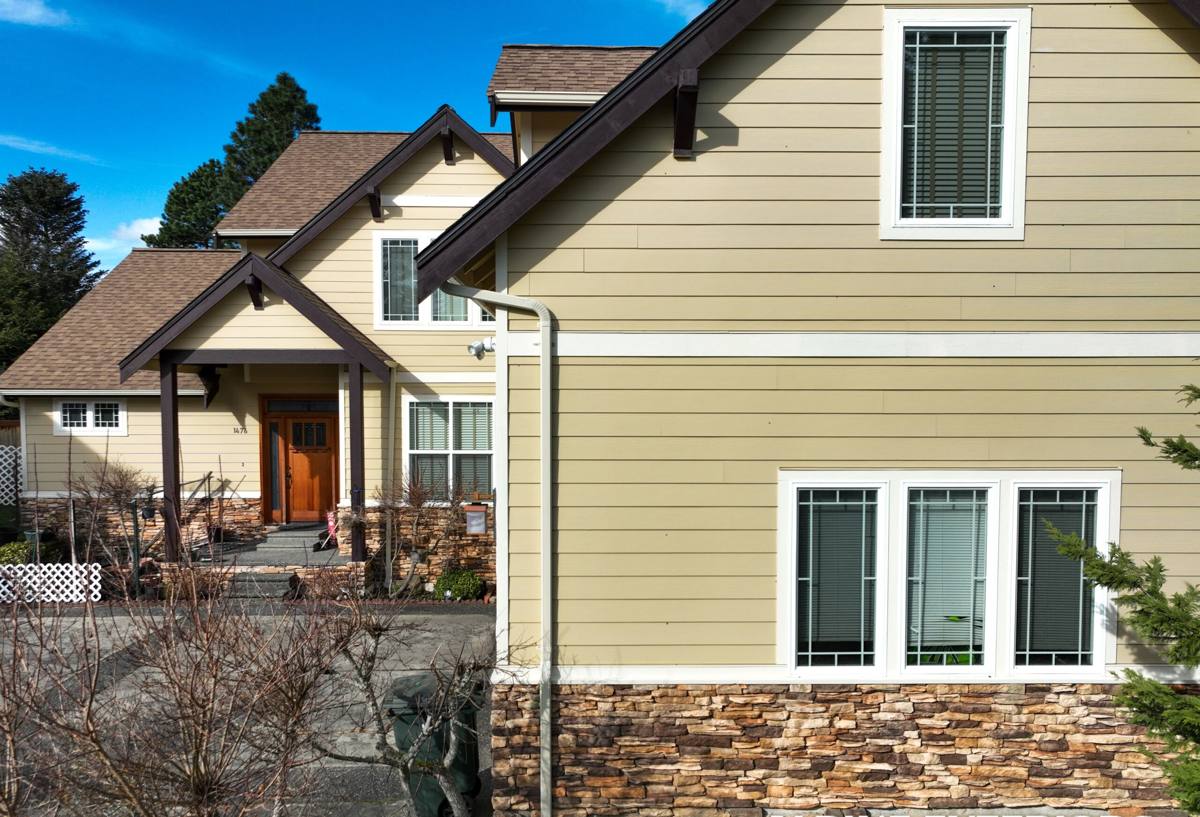
What "Energy-Efficient" Really Means Here
Energy efficiency gets talked about mostly in terms of heating bills, and that's part of it — but in this climate, moisture control is just as important as insulation value. A window that's technically efficient on paper but poorly sealed against wind-driven rain will fail here faster than in a drier region.
The Numbers That Matter
- U-factor — measures how well the window resists heat transfer. Lower is better for our winters.
- SHGC (Solar Heat Gain Coefficient) — measures how much solar heat passes through. Matters less here than in sunnier climates, but still affects comfort in south-facing rooms.
- Air infiltration rating — how much air leaks around the sash. This is often more important locally than U-factor, since wind-driven rain finds every gap air can find.
- Condensation resistance — how well the glass and frame resist interior fogging during our damp, cool months.
Low-E coatings and gas-filled (argon or krypton) sealed units are standard on most efficient windows today, and they perform well here. The bigger variable is how the whole assembly — frame, glazing, weatherstripping, and installation — holds up to sustained moisture, not just how it performs on a lab efficiency test.
Signs Your Current Windows Are Already Costing You
Most homeowners don't replace windows because of a single dramatic failure — it's a slow accumulation of small problems. In Burlington, we see a consistent set of warning signs:
- Fogging or haze between the panes of a double-pane window, which means the seal has failed and the insulating gas has escaped
- Visible moss or algae growth on the sill, frame, or surrounding trim — a sign moisture is sitting somewhere it shouldn't
- Soft or discolored wood at the sill or jamb, especially on north- and west-facing walls that take the brunt of driving rain
- Noticeable drafts near the sash even with the window latched shut
- Difficulty opening, closing, or locking — often a sign the frame has swelled or shifted from repeated wet-dry cycles
- Higher-than-expected heating costs relative to the size of the home
Any one of these on its own might just need a repair. Several together usually mean the window system as a whole has reached the end of its useful life.
Choosing the Right Frame Material for This Climate
Frame material matters more here than in drier parts of the country, because it determines how the window handles years of damp exposure without warping, rotting, or corroding. There's no single "best" material for every home — it depends on your home's style, your budget, and how much upkeep you want to take on.
| Frame Material | Moisture Performance | Maintenance | Typical Trade-Off |
|---|---|---|---|
| Vinyl | Does not rot or corrode; handles damp climates well | Low — no painting or sealing needed | Fewer color/finish options than wood or fiberglass |
| Fiberglass | Very stable in wet/dry cycles; resists warping | Low to moderate | Higher upfront cost than vinyl |
| Wood | Attractive but vulnerable without diligent upkeep | High — needs regular painting/sealing to prevent rot | Best appearance, most maintenance in this climate |
| Aluminum-clad wood | Exterior clad resists weather; interior wood retains look | Moderate | Clad can be prone to condensation issues if not detailed correctly |
We won't push a homeowner toward a higher-maintenance option just because it looks a certain way — our job is to lay out the honest trade-offs so you can pick what fits your house and your tolerance for upkeep. For homes closer to Anacortes and the water, we lean toward materials with proven moisture resistance; for inland Burlington properties a bit further from direct salt exposure, there's more flexibility.
What a Correct Installation Actually Involves
A window is only as good as its installation. In a region with sustained wind-driven rain, most window failures we're called out to repair trace back to installation shortcuts, not the product itself.
The Details That Matter
- Proper flashing integration — the window's flashing has to tie into the home's existing weather-resistive barrier correctly, not just get caulked over the top of it
- Correct shimming and leveling — an out-of-square window stresses the seal and the operating hardware over time
- Sill pan installation — a sloped sill pan gives any water that does get past the exterior seal somewhere to drain, instead of sitting against the framing
- Exterior sealant that's appropriate for the substrate — the wrong caulk or an incomplete bead is one of the most common causes of hidden rot
- Insulation around the frame — gaps here waste the efficiency gains you just paid for
None of this is visible once the trim goes back on, which is exactly why it matters who's doing the work. A window that looks fine from the curb can still be failing behind the wall if these steps were rushed.
How We Approach a Burlington Window Project
Every project starts with an honest look at what's actually happening with your current windows before we talk about replacement options — sometimes a window is repairable, and we'll tell you that.
- Assessment — we check frame condition, sill and sub-sill moisture, current seal integrity, and how the existing windows are performing against wind and rain exposure on your specific elevations
- Product selection — we walk through frame material, glazing package, and efficiency ratings based on your home's exposure and your budget, without steering you toward the most expensive option by default
- Installation — proper flashing, sill pan, sealing, and insulation detail on every unit, not just the ones facing the street
- Cleanup and final check — operation, seal, and finish work verified before we call the job done
We size the project to your home and your timeline — some homeowners replace every window at once, others do it in phases as budget allows. Both are reasonable approaches.
Why Local Experience in Skagit County Matters
A crew that mostly works drier inland climates will approach window installation differently than one that works this region regularly. Around Burlington and Anacortes, we're thinking about wind exposure on specific elevations, how moss and moisture accumulate around trim over a wet winter, and how salt air a few miles from the water accelerates corrosion on certain hardware and finishes. That's not knowledge you get from a spec sheet — it comes from working houses in this exact climate season after season.
Local experience also means understanding what building department expectations look like for window replacement in Skagit County, and having a realistic sense of how long materials actually take to arrive and how weather windows affect scheduling here — which matters when you're trying to plan a project around our wetter months.
Maintaining Efficient Windows in a Wet Climate
Even a well-installed, high-quality window benefits from basic upkeep in this environment. A little attention twice a year goes a long way toward protecting the investment.
- Clear debris and moss from tracks, sills, and weep holes so water can drain as designed
- Inspect exterior caulk lines annually and re-seal any that have cracked or pulled away
- Check for soft spots in exterior trim or sills, especially on walls that take direct rain exposure
- Operate each window through its full range of motion once or twice a year to catch hardware issues early
- Wipe down tracks and hardware to slow corrosion from salt-laden air
Cost Factors to Expect
Window project costs vary widely based on size, quantity, material, and site conditions, so we don't quote broad numbers without seeing the home. What we can tell you is what actually drives the price up or down.
| Factor | Effect on Cost |
|---|---|
| Frame material (vinyl vs. fiberglass vs. wood) | Vinyl is typically the most budget-friendly; wood and some fiberglass options run higher |
| Glazing package (dual-pane vs. triple-pane, gas fill) | Higher-performance glass adds cost but pays back over time in comfort and energy use |
| Number and size of openings | Larger and more numerous windows increase both material and labor |
| Condition behind the existing window | Hidden rot or moisture damage found during removal adds repair scope |
| Full-frame replacement vs. insert replacement | Full-frame costs more but is often necessary when the existing frame is compromised |
We'll always flag hidden issues before we proceed rather than surprise you with a change order — if we open a wall and find rot behind a sill, you'll know before we move forward, not after.
If your windows are drafty, fogged, or just past their prime, we're happy to take a look and give you a straightforward, no-pressure assessment of what your Burlington home actually needs. Use the form below to request a free estimate.