 Anacortes Roofing
 Flounder Bay's Windows Work Harder Than Most
Flounder Bay sits close to the water on Fidalgo Island, and homes here take a different kind of weather beating than houses further inland in Skagit County. Salt-laden air off the marine waters accelerates corrosion on hardware and fasteners. Wind-driven rain off the Strait finds its way into gaps that would stay dry in a sheltered yard. And the long, damp Pacific Northwest shoulder seasons keep north- and shade-facing walls wet enough, long enough, for moss and algae to take hold on frames, sills, and the siding around them. None of that is unique to any one house — it's the baseline for anything built near open water on this side of Anacortes.
Custom windows done right for this location aren't just about a style upgrade. They're about picking materials, seals, and flashing details that hold up to salt exposure and repeated wetting, and installing them so water has nowhere to collect. Get that wrong and you're not looking at a cosmetic problem — you're looking at rot in the framing, failed seals letting moisture behind the wall, and hardware that seizes up years before it should.
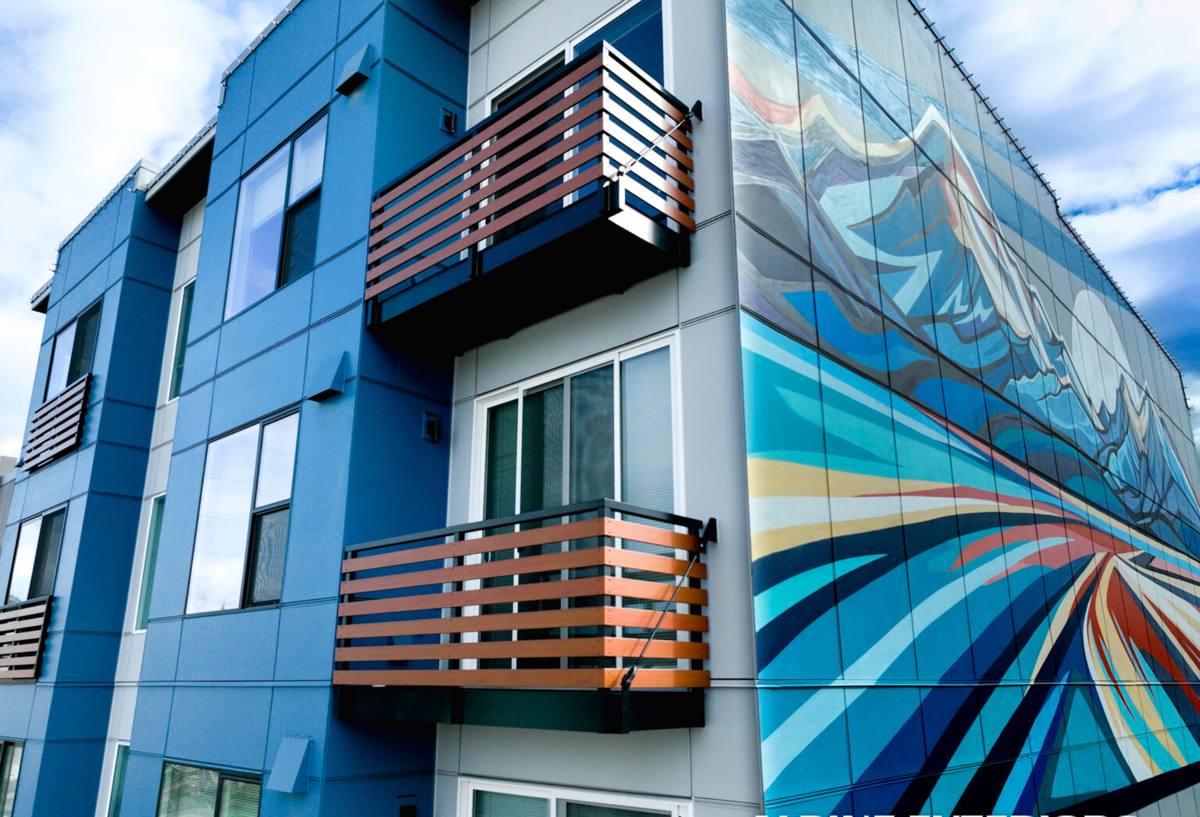
What Salt Air, Driving Rain, and Moss Actually Do to Windows
Salt Air and Metal Hardware
Salt in the air speeds up oxidation on anything metal — hinges, locks, cranks, and screws. Cheaper hardware and lower-grade aluminum components can start showing pitting or stiffness in a few years in a location like Flounder Bay, well before that would happen on a home set back from the water. This is one of the biggest reasons hardware quality matters more here than the glass itself.
Driving Rain and Wind-Loaded Water
Rain that comes in sideways off the water doesn't behave like rain falling straight down. It gets pushed and pressurized against the wall, which means it tests every seam, sill, and flashing detail a window has. A window that would be perfectly fine on a calm inland lot can leak here if the flashing wasn't lapped correctly or the sill pan wasn't sloped to shed water back outside.
Moss and Algae Buildup
Shaded or north-facing elevations near the water stay damp longer between dry spells. Moss and algae take hold on frame surfaces, exterior sills, and the trim around windows, holding moisture against wood and painted surfaces and giving rot a head start. Frame material and finish choice make a real difference in how much maintenance this creates over time.
What a Correct Custom Window Job Involves Here
"Custom" doesn't just mean an unusual size or shape — though Flounder Bay has plenty of homes with older, non-standard openings that off-the-shelf windows won't fit cleanly. It means the window and the installation are matched to the specific wall, exposure, and openings on your house rather than treated as a generic swap.
- Frame material selected for the home's specific sun and wind exposure, not a one-size-fits-all default
- Corrosion-resistant hardware — hinges, locks, and cranks rated for coastal or marine-adjacent exposure
- A sloped sill pan and properly lapped flashing so any water that gets past the outer seal drains back out, not into the wall
- Continuous, compatible sealant between the window flange and the wall's water-resistive barrier — no gaps, no incompatible sealant chemistries
- Accurate measurement and squaring of the opening, especially in older Flounder Bay homes where openings have shifted slightly with age
- Insulation and air-sealing around the perimeter of the frame, not just caulk at the surface
Skip any one of those steps and the window itself barely matters — water and air will find the weak point.
Frame Material Trade-Offs for a Marine-Adjacent Property
There's no single "best" frame material for every house. Each has real trade-offs worth understanding before you decide, especially given the salt air and moisture load a Flounder Bay location deals with.
| Frame Material | How It Handles Salt Air & Moisture | Maintenance Burden | General Cost Position |
|---|---|---|---|
| Vinyl | Won't corrode; performs well against salt air, but can become brittle with age in cold and flex in heat | Low — occasional cleaning | Lower |
| Fiberglass | Very stable dimensionally, resists moisture and corrosion well, holds paint if you want a custom color | Low to moderate | Mid to higher |
| Aluminum-clad wood | Attractive wood interior with a protective exterior shell, but cladding seams and cuts need careful detailing near salt air | Moderate — interior wood still needs occasional attention | Higher |
| Bare wood | Classic look, but most vulnerable to moss, moisture intrusion, and rot in this specific exposure without diligent upkeep | High — regular painting and sealing | Mid, but higher long-term upkeep cost |
We don't push one material on every job. We'll walk your specific walls and exposures with you and explain honestly which option fits your home, your budget, and how much upkeep you actually want to take on.
Glass and Glazing Choices That Matter in This Climate
Glass package matters as much as frame material for comfort and long-term performance. In a damp climate like ours, condensation resistance and seal durability deserve real attention, not just a default double-pane spec.
- Insulated glass units with a durable, warm-edge spacer resist seal failure and internal fogging longer than older spacer designs
- Low-E coatings help control heat loss through the long, cool Skagit County winters without darkening the view
- Properly vented glazing pockets prevent trapped moisture from breaking down seals prematurely
- Tempered glass in code-required locations — near doors, low sills, and other hazard areas — is non-negotiable, not optional
Our Process for Flounder Bay Custom Window Jobs
1. On-Site Assessment
We look at each opening individually — exposure direction, current condition of the framing and sill, any existing moss, staining, or soft spots, and how the wall assembly is built. This tells us what the window and installation actually need to do, not just what size to order.
2. Precise Measurement and Product Selection
Because many homes in this area have openings that aren't perfectly standard, we measure carefully and select or custom-order units that fit the actual opening rather than forcing a stock size to work.
3. Removal and Opening Prep
Old windows come out carefully so we can inspect the framing underneath. Any rot, soft wood, or existing water damage gets addressed before a new window ever goes in — installing a new window over a compromised opening just hides the problem temporarily.
4. Flashing, Sealing, and Installation
This is where most window failures near the water actually start, and where we spend the most care — sill pan flashing, correct shingle-lap sequencing with the house wrap, and a continuous air and water seal around the full perimeter.
5. Final Check and Walkthrough
We test operation, check seals, and walk the finished work with you so you know exactly what was done and what, if anything, to keep an eye on.
Signs Your Current Windows Are Losing the Battle
If you're not sure whether your windows need attention yet, these are the signals we'd want to know about on a Flounder Bay property:
- Soft or discolored trim, sill, or wall material around the window frame
- Fogging or moisture between glass panes — a sign the seal has failed
- Stiff, corroded, or hard-to-operate cranks, locks, or hinges
- Visible moss or algae buildup on frames or nearby siding that keeps coming back
- Drafts or noticeable temperature difference near the window even when it's closed
- Peeling paint or finish breakdown on the frame's exterior face
Why It Matters That We Already Work This Area
A crew that's already worked in Flounder Bay and the surrounding Anacortes waterfront isn't guessing at what this exposure does to a house. We've seen how salt air treats hardware, how driving rain finds the weak point in a flashing detail, and how quickly moss can take over a shaded elevation if the material and finish weren't chosen with that in mind. That experience shows up in the small decisions — which sealant, which hardware grade, how the flashing gets lapped — that determine whether a window install lasts fifteen years or thirty in this specific climate.
It also means we're realistic with you. We're not going to recommend the highest-maintenance option for a shaded, moss-prone wall just to upsell a look, and we're not going to cut corners on flashing to save an hour of labor. Skagit County weather doesn't forgive shortcuts, and neither do we.
Keeping New Windows Performing Long-Term
Once new windows are in, a little seasonal attention goes a long way in this climate:
- Rinse salt residue and organic buildup off frames and sills a couple times a year, especially on exposed elevations
- Keep gutters and downspouts clear so roof runoff isn't dumping extra water near window heads
- Trim back vegetation or anything holding shade and moisture against a wall where moss tends to form
- Operate hardware periodically through the seasons so cranks and locks don't seize from disuse
- Have caulking and exterior seals checked every few years — sealant is a wear item, not a one-time application
If you're weighing custom windows for a home in Flounder Bay, we're happy to take a look at what you've got and give you a straight read on condition, options, and what it would actually take to do the job right for your specific exposure. Reach out for a free, no-pressure estimate using the form below.