 Anacortes Roofing
 Roofing a Home in Flounder Bay
Flounder Bay sits close enough to the water that the marine environment shapes almost every roofing decision homeowners here make. A new roof installed in this part of Anacortes has to deal with salt-laden air off the bay, wind-driven rain that finds its way under poorly sealed edges, and a moss season that runs longer than it does even a few miles inland. We install new roofs on Fidalgo Island homes with those three conditions in mind first, brand and color second.
This page covers what a new roof installation actually involves for a Flounder Bay property, what materials and details hold up here, and how our process works from first look to final walk-through.
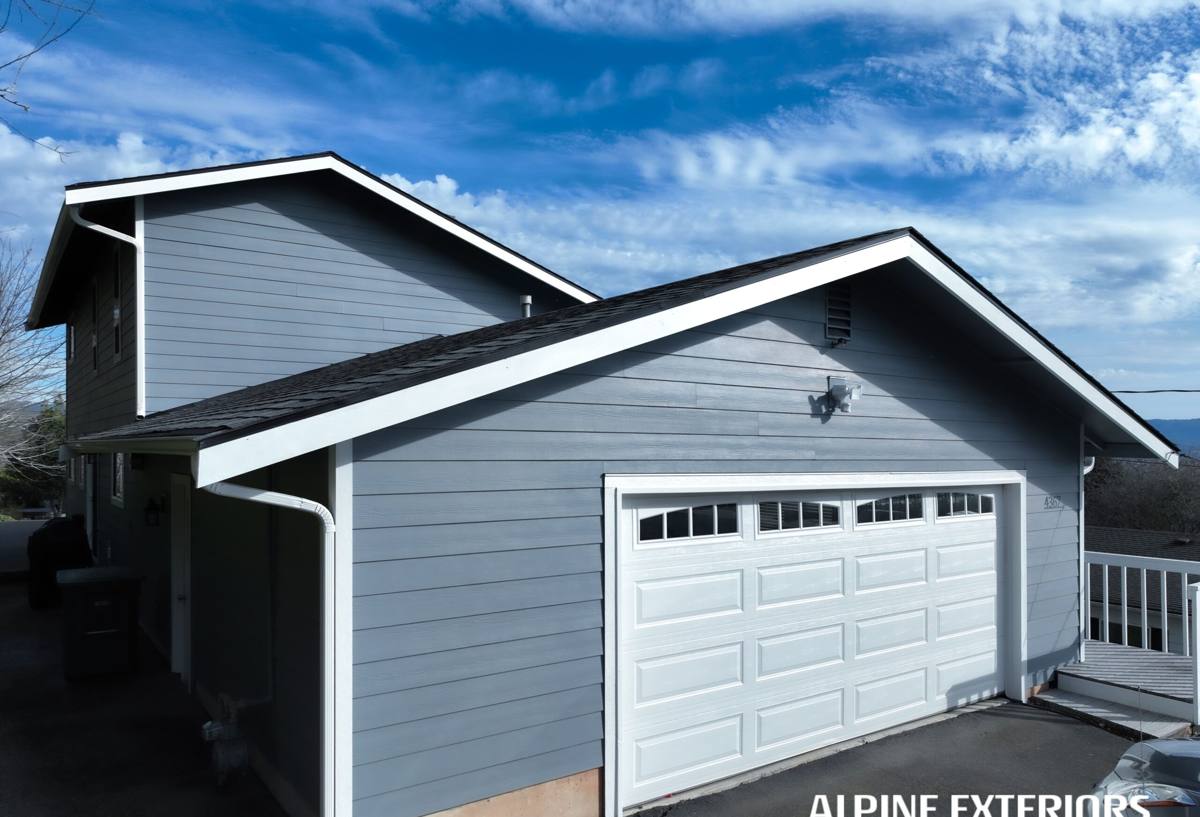
What Flounder Bay's Climate Actually Does to a Roof
Salt Air and Metal Fatigue
Homes close to the water take on a fine mist of salt that settles on every exterior surface, roofs included. Over years, that salt accelerates corrosion on unprotected or poorly coated metal — flashing, fasteners, vents, and any exposed metal roofing panels. It's not dramatic; it's slow, and it shows up first at cut edges and fastener heads where protective coatings are thinnest. Material and hardware choices near the bay need corrosion resistance built in, not added as an afterthought.
Driving Rain and Wind-Driven Water
Skagit County gets plenty of straight-down rain, but the water that actually causes problems on a bay-adjacent roof is usually moving sideways in a gust. Wind off the water pushes rain up under shingle tabs, into open valleys, and behind flashing that's just resting rather than properly integrated. A roof built for inland conditions can leak here simply because it wasn't detailed for wind-driven water.
Moss and a Longer Wet Season
Shade from mature trees, morning dampness off the bay, and a wet season that lingers longer than the calendar suggests all add up to ideal moss conditions. Moss holds moisture against roofing material, works its way under shingle edges as it grows, and — if left unchecked — lifts material enough to let water in. North-facing slopes and anything under tree cover are the areas we watch closest.
What a New Roof Installation Involves, Step by Step
A correct installation is mostly about what happens under the visible roofing material. The finished shingles or panels get the attention; the layers underneath do the actual work of keeping water out.
- Tear-off and deck inspection. We remove the old roofing down to the deck and check every sheet of sheathing for rot, delamination, or soft spots — common on older Anacortes homes where a roof has been leaking slowly for years without an obvious interior sign.
- Deck repair. Any damaged sheathing gets replaced before anything new goes down. Installing new roofing over a compromised deck just resets the clock on the same problem.
- Ice-and-water shield at vulnerable points. Eaves, valleys, skylight curbs, and chimney bases get self-adhering waterproof underlayment — the areas most exposed to wind-driven rain and ice damming.
- Synthetic underlayment across the field. This is the roof's backup layer if wind ever drives water past the primary surface material.
- Corrosion-resistant flashing and fasteners. Given the salt air here, we use flashing and hardware rated for coastal exposure rather than standard-grade material that's fine 20 miles inland but degrades faster this close to the water.
- Ventilation correction. Balanced intake and exhaust venting keeps the attic dry and the roof deck at a stable temperature, which matters for both moss prevention and material lifespan.
- Roofing material installation. Shingles, metal panels, or another chosen material, installed to manufacturer spec with attention to nailing pattern, exposure, and fastener count — details that matter more in high-wind, high-moisture conditions than they do in a mild climate.
- Final inspection and cleanup. We check every penetration, ridge, and valley before we consider the job done, and we clear the site of old material and debris.
Choosing a Roofing Material for a Bay-Adjacent Home
There's no single "best" material for Flounder Bay — the right choice depends on the home's exposure, roof pitch, budget, and how much upkeep the owner wants to take on. Here's how the common options actually compare in this specific environment.
| Material | How It Handles Salt Air | How It Handles Moss | Typical Lifespan Here |
|---|---|---|---|
| Architectural asphalt shingles | Good — no bare metal exposure on the field | Moderate — benefits from algae-resistant granules and regular cleaning | 20-30 years with maintenance |
| Standing seam metal | Very good, if coated and fastened correctly for coastal use | Excellent — smooth surface sheds debris and dries fast | 40-50+ years |
| Composite/synthetic shingle | Good — resists corrosion since it isn't metal | Moderate to good depending on product | 30-40 years |
| Cedar shake | Fair — needs regular treatment near salt air | Poor without diligent upkeep — organic material and moss don't mix well | 20-25 years with active maintenance |
We'll walk through these trade-offs honestly during your estimate. A lower-maintenance material often costs more upfront but saves money and hassle over the life of the roof for a home this close to the water.
Roof Details That Matter More Near the Water
Valleys and Flashing
Valleys are where two roof planes meet and water concentrates — the single most common leak point on any roof, and even more so where wind pushes rain sideways into them. We build valleys either open (visible metal channel) or closed (woven or cut shingle), and either way, the metal used needs to be rated for coastal exposure, not just standard galvanized steel that will show rust streaks within a few years.
Ridge and Soffit Ventilation
Proper attic ventilation isn't cosmetic — it controls moisture buildup that leads to premature decking rot and creates the damp, stagnant conditions moss thrives in. We check existing intake and exhaust balance on every new roof job and correct it where the old roof never had adequate airflow to begin with.
Fastener and Hardware Grade
This is an easy detail to skip and a costly one to skip near the water. Standard fasteners can start showing corrosion at the head within a handful of years this close to the bay. We spec hardware rated for coastal/marine exposure on every new roof we install in this area.
Signs a Flounder Bay Home Needs a New Roof, Not a Repair
- Granule loss heavy enough that shingles look patchy or the color has gone uneven across large sections
- Multiple past repairs in different areas of the same roof — a sign the material itself is at the end of its service life
- Soft or spongy spots underfoot, usually indicating deck damage beneath the surface
- Persistent moss or algae staining that keeps returning within a season or two of cleaning
- Visible daylight through the attic roof deck, or damp insulation after storms
- Curling, cracking, or cupping shingles, especially on south- and west-facing slopes
- Rusted or deteriorating flashing around chimneys, vents, and valleys
- The roof is approaching or past its material's expected lifespan and hasn't had major work done
If your roof shows two or more of these, a repair is usually just delaying the inevitable — and on a home exposed to this much moisture and salt air, a failing roof deteriorates faster than it would inland.
Why Local Installation Experience Matters Here
Roofing crews that mostly work drier, inland parts of Skagit County can install a technically sound roof that still underperforms on a bay-adjacent property, simply because they're not used to detailing for wind-driven rain, specifying coastal-grade hardware, or accounting for a moss season that starts earlier and lasts longer this close to the water. We work Anacortes and the surrounding Fidalgo Island communities regularly, including Flounder Bay, so these aren't edge cases for us — they're the baseline we design every new roof around.
That local familiarity also means we know which slopes on a given lot tend to hold moisture, where tree cover creates persistent shade, and how a roof's orientation relative to the water affects wind exposure — all of which factor into material choice and installation detailing before a single shingle goes down.
What Affects the Cost of a New Roof Here
| Factor | Why It Matters |
|---|---|
| Roof size and pitch | More surface area and steeper pitches both increase material and labor time |
| Number of layers to remove | Tear-off of multiple old roofing layers adds labor and disposal cost |
| Deck condition | Rot or soft sheathing found during tear-off requires replacement before new roofing goes on |
| Material selected | Asphalt, metal, and composite options carry different material and installation costs |
| Roof complexity | Valleys, dormers, skylights, and chimneys each add flashing work and time |
| Ventilation upgrades | Correcting inadequate intake/exhaust venting adds modest cost but pays off long-term |
Because every one of these varies by house, we don't quote a number without seeing the roof. What we can say honestly: investing in coastal-grade materials and hardware up front costs more than the cheapest option, but it costs far less than re-doing corroded flashing or a moss-damaged deck a decade early.
Get a Free Estimate
If your roof in Flounder Bay is showing its age, or you just want an honest read on whether repair or replacement makes more sense for your situation, we're glad to take a look. The estimate is free, there's no pressure to commit, and you'll get a straight answer about what your roof actually needs — use the form below to get started.