 Anacortes Roofing
 Windows on March Point Take a Different Kind of Beating
March Point sits right up against Fidalgo Bay, which means homes out here deal with a combination that inland Skagit County houses simply don't face: near-constant exposure to salt-laden air, wind-driven rain that comes in sideways off the water, and a long, damp moss season that starts earlier and lasts longer than it does even a few miles inland. Windows are one of the first things on a house to show the effects. Aluminum frames pit and corrode. Wood sashes swell, stick, and eventually rot at the corners. Seals fail years ahead of schedule when driving rain keeps finding its way past worn weatherstripping. None of this is dramatic on its own, but it adds up, and it adds up faster here than in most of the county.
We're an Anacortes-based crew, and March Point is part of our regular service area — not a once-in-a-while job we drive out for. That matters more with windows than with almost any other exterior trade, because window failure is quiet. A bad install doesn't announce itself with a leak on day one. It shows up two or three winters later as a soft spot in the sill, a musty smell in a bedroom closet, or a heating bill that keeps climbing for no obvious reason.
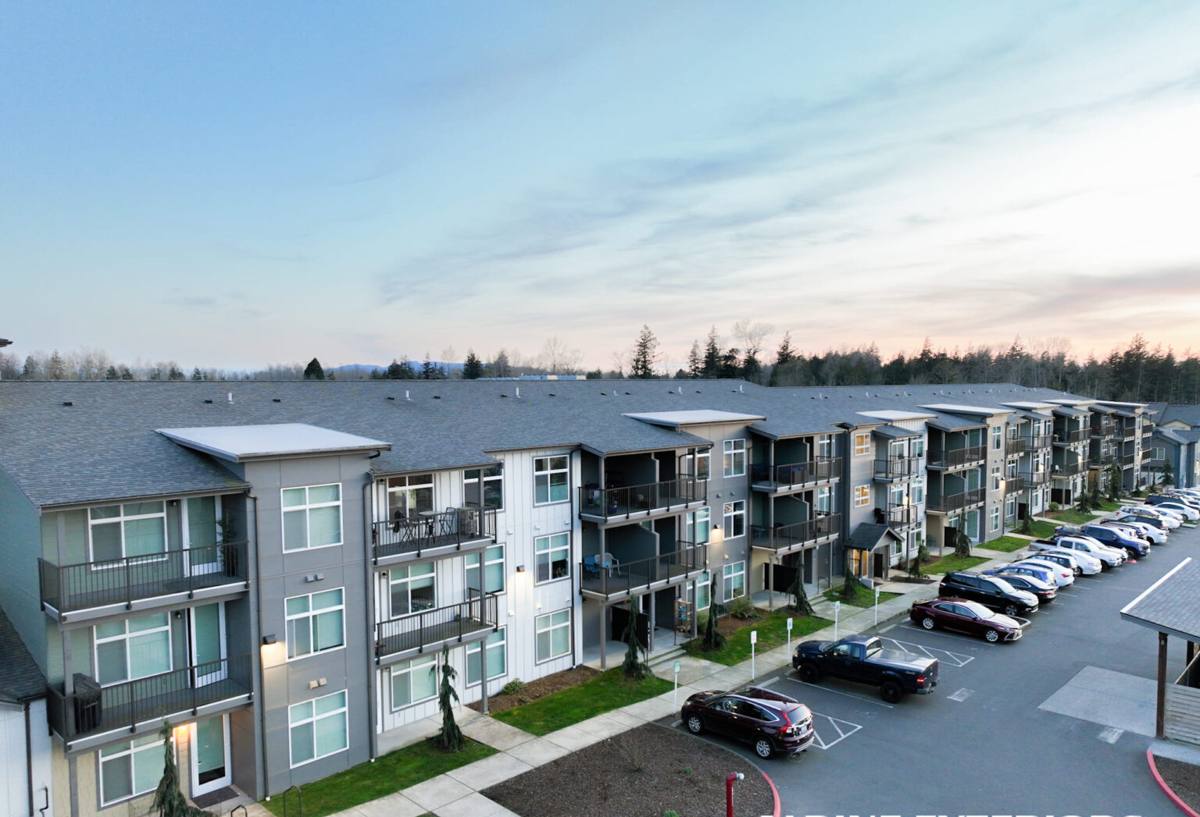
What "Correct" Window Installation Actually Means
Anyone with a caulk gun and a tape measure can set a window into a rough opening. Getting it right — especially on a house that takes weather the way March Point homes do — is a different job entirely. A correct install is really about managing water, not just installing glass and frame. Here's what has to happen, in order, for a window to actually perform for its expected lifespan:
Flashing and Drainage Come First
Before a new window ever goes into the opening, the sill pan and flashing have to be built so that any water that gets past the exterior trim or siding has somewhere to go — out, not into the wall cavity. This is the single most common shortcut we see on prior installs: window trim looks fine, but there's no sill pan underneath, or the flashing was taped over old, cracked building paper instead of integrated with it properly. Salt air accelerates corrosion on any exposed fasteners or flashing that wasn't rated for coastal exposure, so material choice matters here too.
The Weather-Resistive Barrier Has to Actually Connect
The house wrap or building paper around the opening needs to shingle-lap with the window's flanges and flashing so water sheds downward and outward at every layer, the way shingles on a roof do. If that layering gets reversed or skipped, water can travel behind the WRB and into the sheathing — and on a house that gets driving rain as often as March Point does, that's not a hypothetical, it's a matter of time.
Shimming, Squaring, and Fastening
A window that isn't shimmed level and square will bind, won't lock tight, and will wear its weatherstripping unevenly — which shortens the seal's working life. Fastening schedule matters too: too few fasteners and the frame flexes in wind gusts off the bay; over-driven fasteners can bow the frame and cause it to bind or gap.
Sealant Is the Last Line of Defense, Not the First
We see a lot of past repairs where someone tried to solve a leak by adding more caulk. Sealant is meant to back up correct flashing and drainage, not replace it. Used as a patch over a flashing mistake, it fails again within a season or two — sooner in an area with this much salt exposure and rainfall.
Signs a March Point Home Needs New Windows or a Re-Install
- Visible condensation or fogging between panes on a double- or triple-glazed unit — the seal has failed and the gas fill is gone
- Wood sashes or sills that feel soft, spongy, or show dark staining, especially on the west or south sides that catch the worst of the wind-driven rain
- Aluminum frames with white, chalky corrosion or pitting — common near the water where salt air is a constant factor
- Windows that are hard to open, won't stay latched, or rattle in wind
- A noticeable draft you can feel with a hand near the frame on a windy day
- Moss or algae staining on the exterior trim or sill, which signals moisture sitting longer than it should
- Rising heating costs with no other explanation, especially in a house with older single-pane or early dual-pane windows
How We Approach a March Point Window Job
Every house is a little different, but the sequence doesn't change:
- Walk-through and assessment. We look at every window being discussed — not just the one you called about — because on older homes, if one unit has failed, others of the same age and exposure are often not far behind.
- Check for hidden damage. Once a sash or frame is out, we check the surrounding framing and sheathing for rot or moisture damage. This is often where a "simple window swap" turns into a slightly bigger job, and we'll tell you honestly if that's the case before we proceed.
- Remove and prep the opening. Old flashing and sealant get removed, not just covered. The opening gets inspected and, where needed, repaired before anything new goes in.
- Install new flashing and sill pan. Built for this climate — corrosion-resistant materials and drainage that accounts for how much rain this area actually gets.
- Set, shim, and square the window. Fastened per the manufacturer's schedule, not guesswork.
- Integrate the WRB and seal. Proper shingle-lap sequencing, then sealant as the backup layer, not the primary defense.
- Interior and exterior trim. Finished to match the house, with attention to keeping trim details that shed water rather than trap it.
- Final check. Operation, locks, and seals get tested before we consider the job done.
Window Material Comparison for Coastal Skagit County Homes
Material choice matters more here than in a lot of the region because of the combined salt air and rainfall exposure. There's no single "best" answer — it depends on your budget, your home's style, and how much upkeep you want to take on.
| Material | How It Handles Salt Air & Moisture | Maintenance | Typical Trade-Offs |
|---|---|---|---|
| Vinyl | Doesn't corrode or rot; handles moisture well | Low — occasional cleaning | Good value; fewer custom color/finish options than wood or fiberglass |
| Fiberglass | Very stable in temperature swings and moisture; strong resistance to warping | Low | Higher upfront cost; excellent long-term performance in coastal exposure |
| Wood | Needs a well-maintained exterior finish to resist moisture and rot near the bay | High — regular repainting/resealing | Classic look, but the maintenance burden is real this close to the water |
| Wood-clad (wood interior, metal or vinyl exterior) | Exterior cladding protects against weather; interior keeps a traditional look | Moderate | Good middle ground, but clad seams need to be detailed correctly during install |
| Aluminum | Prone to pitting and corrosion in salt air unless it's a marine-grade or well-finished product | Moderate to high near the water | Not our first recommendation for direct coastal exposure without a strong protective finish |
We'll walk through these options with you based on your specific home, its orientation to the wind and rain, and your budget — not push a single product line because it's what we have on hand.
What Drives the Cost of a Window Installation Project
| Factor | Why It Matters |
|---|---|
| Number and size of windows | The most direct driver of material and labor cost |
| New construction vs. replacement | Replacing into an existing opening is usually less invasive than resizing or reframing |
| Hidden framing or sheathing damage | Rot repair found during removal adds time and material — common on older homes with a history of moisture intrusion |
| Material choice | Vinyl is typically the most budget-friendly; fiberglass and wood-clad cost more upfront but often less over time in this climate |
| Trim and finish work | Matching existing interior trim or exterior detailing adds labor |
| Access and height | Second-story or hard-to-reach windows take more time and equipment |
We give straightforward, itemized estimates — no vague lump-sum numbers that hide what you're actually paying for.
A Practical Checklist Before You Hire Anyone for Window Work
- Ask whether they install a proper sill pan and flashing system, or just caulk around the new unit
- Ask what happens if they find rot or moisture damage once the old window is out — get this in writing before work starts
- Confirm they carry current licensing and insurance for work in Washington State
- Ask about the manufacturer's warranty on the windows themselves, separate from the installer's workmanship warranty
- Get a written estimate that breaks out materials and labor, not a single bundled number
- Ask how they handle window disposal and site cleanup
- Ask directly whether they've worked in your specific neighborhood — an installer who already understands March Point's wind and rain exposure will spec the job differently than one who doesn't
Why a Crew That Already Works March Point Is Worth Choosing
A window installer who mostly works drier, more sheltered parts of Skagit County can still do competent work, but they may not automatically account for how much more aggressive the weather is right on the water. We know which sides of a March Point house take the worst of the wind-driven rain, how fast moss and algae build up on north- and west-facing trim out here, and why corrosion-resistant fasteners and flashing aren't optional extras this close to the bay — they're baseline. That local knowledge shapes decisions on every job: which material to recommend, how to detail the flashing, and where to spend a little extra attention because we've seen what happens when that step gets skipped.
Being based in Anacortes also means we're not disappearing after the invoice is paid. If a question comes up two winters from now about how a window is performing, we're a short drive away, not a company that was passing through.
Let's Talk About Your Windows
If you're dealing with drafts, fogged glass, sticking sashes, or you just want an honest read on whether your windows still have some years left in them, we're glad to take a look. Fill out the form below for a free, no-pressure estimate — we'll tell you straight what we see and what your real options are.