 Anacortes Roofing
 Metal Roofing Built for the Old Town Anacortes Climate
Old Town Anacortes sits close enough to the water that salt air is part of daily life, and close enough to the Cascades' rain shadow edge that Skagit County still delivers plenty of driving rain and a long, wet moss season every year. Roofs here work harder than roofs twenty miles inland, and the homes in this part of town — many of them older, with a mix of roof pitches, additions, and original framing — need a roofing system that can handle all of it without constant upkeep. Metal roofing, installed correctly, is one of the few systems that holds up to this specific combination of stressors for the long haul.
This page covers what metal roofing actually needs to do on an Old Town Anacortes home, what a correct installation looks like, and how we approach the work on homes in this neighborhood specifically.
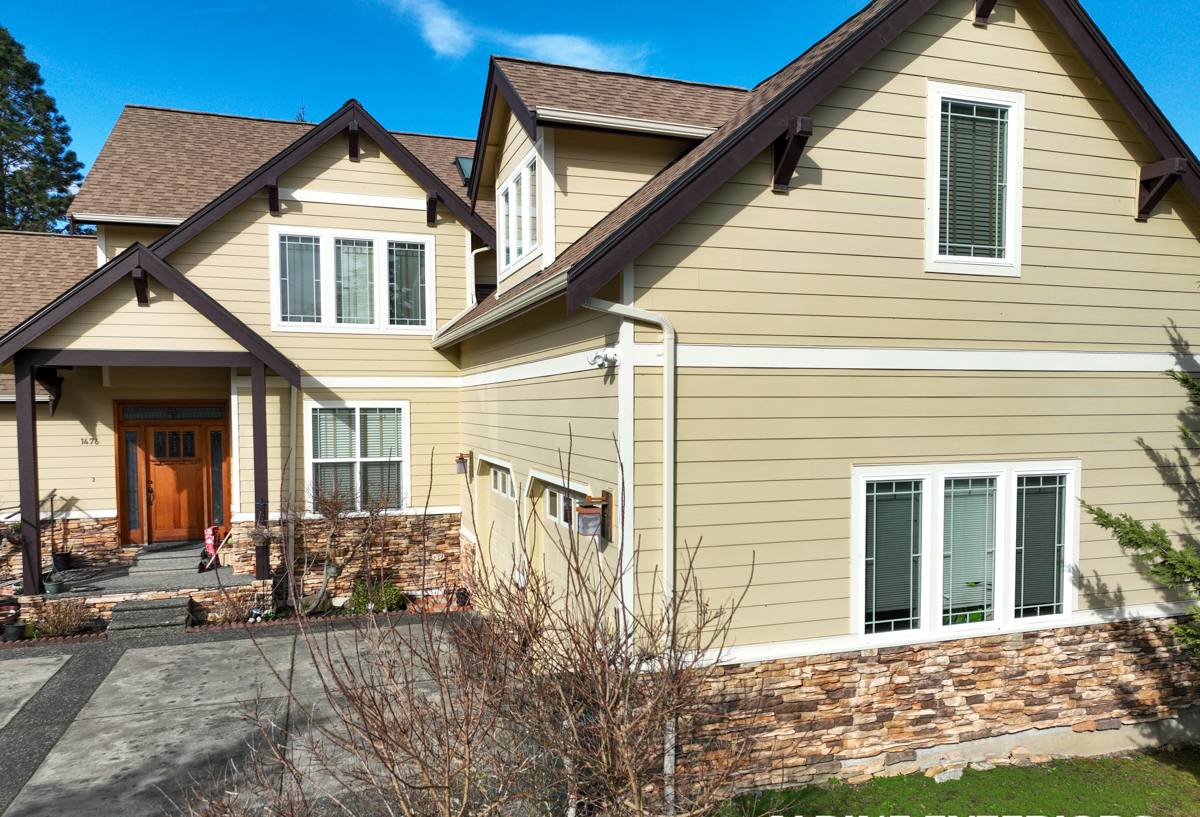
What Salt Air, Rain, and Moss Actually Do to a Roof Here
Each of these three factors attacks a roof differently, and a roofing system that only handles one or two of them well won't last in this location.
Salt air
Airborne salt accelerates corrosion on any exposed metal — fasteners, flashing, gutters, and the roofing material itself if it isn't rated for a marine-influenced environment. Homes closer to the water see this faster, but even a few blocks inland, salt-laden air moves through on wind and fog and settles on every exterior surface over time.
Driving rain
Wind-driven rain doesn't just fall straight down — it gets pushed sideways and upward under laps, around penetrations, and into any gap in flashing or underlayment. A roof that's fine in a light straight-down rain can still leak in a wind-driven Skagit County storm if the details weren't built for it.
Moss and organic growth
Shaded, north-facing, and low-slope sections of roof in this area stay damp for weeks at a stretch during the wet season. Moss, lichen, and algae take hold in that moisture, and once established they hold water against the roofing material, work into seams, and shorten the life of anything that isn't resistant to organic growth.
None of these are dramatic, one-time events — they're slow, constant pressure. A roof built for this area has to be designed to shed water fast, resist corrosion long-term, and discourage moss from getting a foothold in the first place.
Why Metal Roofing Fits This Neighborhood
Metal roofing addresses all three of those pressures better than most other common roofing materials, which is a big part of why it's a common upgrade for older homes in this part of Anacortes:
- Steep slope and quick water shedding — metal panels don't have the granule surface or overlapping tabs that give moss something to grip onto
- Coated steel and aluminum systems resist corrosion far longer than bare or poorly coated metal, which matters directly because of the salt air here
- Standing seam profiles have far fewer exposed fasteners and laps for wind-driven rain to work into
- Long service life reduces how often a roof has to be reopened and re-flashed, which is when most leaks actually get introduced
- Works with a wide range of home styles found in Old Town Anacortes, from older cottages to remodeled and expanded homes
It's not the right fit for every budget or every roof, and we'll say so plainly during an assessment if that's the case. But for a house that's going to sit under this climate for the next 30-50 years, it's a system worth understanding in detail before you decide.
Choosing the Right Metal System
"Metal roofing" covers more than one product, and the differences matter more here than they would in a drier, inland climate.
| System | How It's Attached | Best Fit | Trade-Offs |
|---|---|---|---|
| Standing seam | Concealed clips, interlocking vertical seams | Full roof replacements, homes near the water, steep or complex rooflines | Higher upfront cost; requires skilled, precise installation |
| Exposed-fastener panel | Screws driven through the panel face | Outbuildings, budget-conscious projects, simpler rooflines | Fasteners and washers age and need periodic inspection; more penetration points for wind-driven rain to test |
| Metal shingles/shakes | Interlocking panels styled to mimic shingle or shake look | Homes wanting a traditional appearance with metal's durability | More seams than standing seam; installation quality matters even more |
For most Old Town Anacortes homes, we lean toward standing seam when the budget allows, specifically because it minimizes the exposed fastener points that salt air and driving rain both target. Where exposed-fastener panels make more sense — outbuildings, garages, budget-driven projects — we use quality fasteners and gaskets suited to a marine-influenced climate and explain the maintenance that goes with that choice.
Gauge and coating
Thicker gauge steel and aluminum resist denting and hold their shape longer, but the coating matters just as much as the thickness in this location. A quality paint or coating system is what actually stands between the metal and salt-laden air over the decades — we walk homeowners through coating options and warranty structures rather than defaulting to the cheapest available finish.
What a Correct Installation Actually Involves
A metal roof is only as good as what's underneath it and how the details are handled. On a home in this climate, we pay particular attention to:
- Underlayment — a synthetic, high-temp underlayment rated for the panel system, installed as a continuous water barrier under the metal
- Ventilation — proper intake and exhaust airflow so moisture doesn't get trapped under the deck, which matters in a climate this damp
- Flashing — custom-formed flashing at every valley, wall intersection, chimney, and penetration, not generic stock pieces
- Fastening pattern — clips and fasteners spaced and installed to the panel manufacturer's wind-load specification, not just "close enough"
- Panel layout — seams and laps run to shed water downhill in the direction this property actually sees wind-driven rain, not just laid out for convenience
Any one of these done wrong shortens the life of the whole system, no matter how good the metal itself is. This is where most roofing failures actually start — not with bad material, but with rushed or generic detail work underneath it.
Our Process on an Old Town Anacortes Metal Roof
Assessment
We start by walking the roof and attic, checking the existing deck condition, ventilation, and any problem areas — moss buildup, past leak staining, soft spots. On older homes in this neighborhood, deck condition and existing ventilation are the two things most likely to need attention before a metal panel goes on.
Preparation
We remove the old roofing down to a sound deck, replace any damaged sheathing, and correct ventilation issues before anything new goes down. Skipping this step to save time is one of the most common shortcuts in the trade, and it's the one most likely to cause problems five or ten years down the road.
Installation
Underlayment, flashing, and panels go on in that order, with flashing custom-formed on site for the actual conditions of your roof rather than pieced together from stock trim. Fastening follows the panel manufacturer's spec, not a shortcut pattern.
Final walkthrough
We walk the finished roof with you, cover what maintenance (if any) the system needs, and make sure gutters and drainage are working together with the new roof rather than fighting it.
Maintenance in a Moss-Prone, Salt-Air Climate
Metal roofing needs far less maintenance than most alternatives, but "far less" isn't "none" in this climate. A simple annual routine keeps a metal roof performing for its full service life:
- Clear debris from valleys and gutters before the wet season, since trapped organic matter is what starts moss growth even on metal
- Rinse off any moss or algae growth on shaded sections before it has a chance to spread
- Check exposed fasteners (if applicable) for loosening or early corrosion once a year
- Inspect flashing around chimneys, vents, and wall intersections after major storms
- Keep overhanging branches trimmed back to reduce shade, debris, and abrasion on the roof surface
None of this requires special equipment or a professional visit every time — most of it is a homeowner walking the yard with binoculars or getting on a ladder for ten minutes. We're happy to point out what to watch for on your specific roof during the final walkthrough.
Why Hiring a Crew That Works Old Town Anacortes Matters
A roofing crew that only occasionally works this specific stretch of Skagit County will treat your roof like any other job. A crew that regularly works Old Town Anacortes knows the pattern of problems that show up on homes here — where moss tends to build first, which rooflines catch the worst of the wind-driven rain off the water, and what older framing in this part of town typically needs before new material goes on top of it. That local pattern recognition is the difference between a roof that's built to spec and one that's actually built for this specific address.
We also know that homeowners in this neighborhood are often weighing metal against a re-roof in a more traditional material, and we'd rather give you a straight comparison of both than push one option because it's what we happen to install that week.
If you're weighing a metal roof for a home in Old Town Anacortes, we're glad to take a look and walk through what your specific roof needs — no pressure, no obligation. Use the form below to request a free estimate.