 Anacortes Roofing
 Old Town Anacortes Puts Real Demands on a House
Old Town Anacortes is one of the older residential pockets in the city, and that means two things at once: the homes here have real character, and a lot of them are still wearing siding that was never built for what this location throws at it. Sitting on Fidalgo Island with water close on multiple sides, this part of Anacortes gets a steady diet of salt-laden air, wind-driven rain off the Salish Sea, and long stretches of damp, low-light winter that keep moss and mildew active for months at a time. Add in Skagit County's mix of marine humidity and seasonal windstorms, and you have a climate that is genuinely harder on exterior materials than most inland Washington towns.
None of that is a reason to panic about your siding. It is a reason to be specific about what "correct installation" means in this neighborhood, and to work with a crew that treats Old Town Anacortes as a distinct set of conditions rather than a generic siding job.
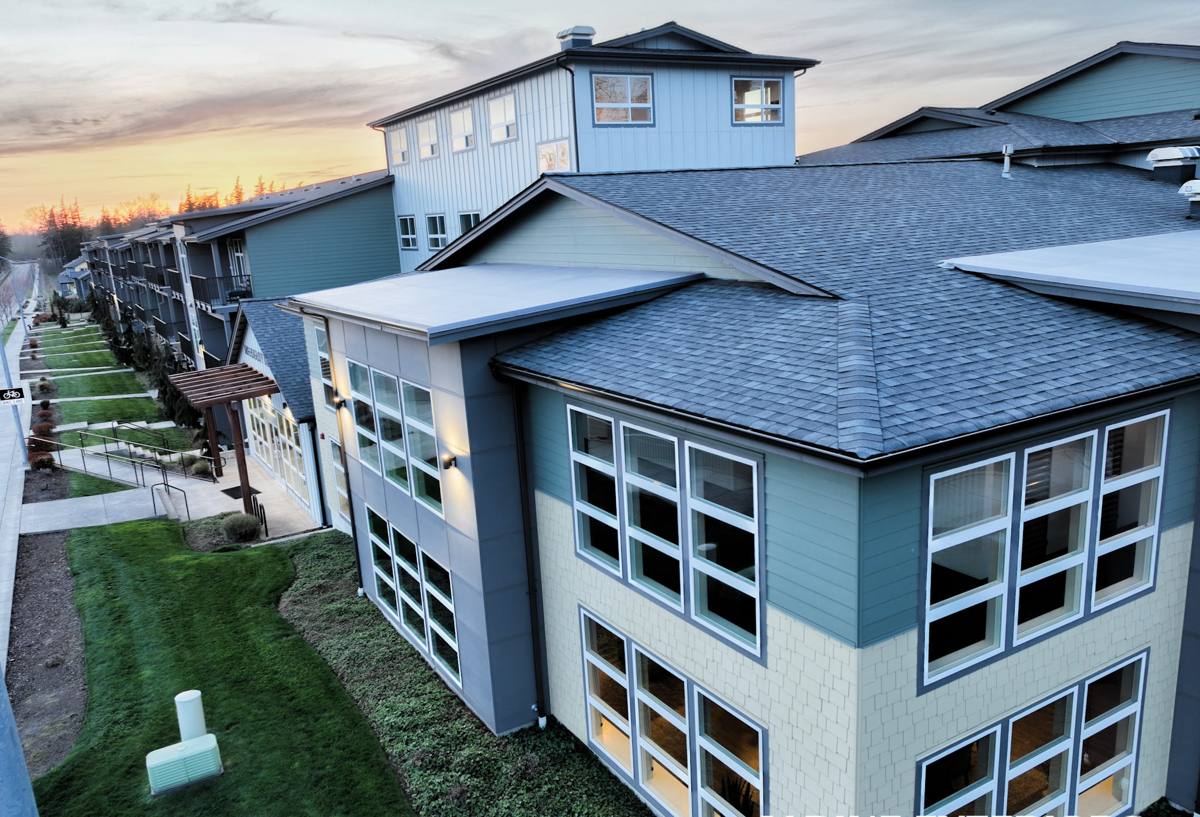
Why Salt Air, Rain, and Moss Are a Combined Problem
Each of these stressors is manageable on its own. Together, they compound. Salt air accelerates corrosion on fasteners, flashing, and any exposed metal trim. Driving rain finds every gap in caulking, flashing, or panel overlap and pushes water behind the siding rather than off of it. And moss, once established in shaded or north-facing areas, holds moisture directly against the surface for weeks, which is exactly the condition that breaks down poorly protected materials and feeds paint failure.
A siding system that handles one of these well but not all three will eventually show it — usually as peeling paint, soft trim, staining at butt joints, or moss creeping up from the bottom courses. In Old Town Anacortes, we design and install with all three in mind from day one, not as a repair after the fact.
Signs Your Current Siding Is Losing the Battle
Homeowners in this neighborhood usually notice a handful of specific warning signs before a full siding failure. Catching these early keeps a siding project a planned decision instead of an emergency one.
- Paint that is peeling, bubbling, or chalking, especially on north- and west-facing walls that stay damp longest
- Soft or spongy spots when you press on siding near the bottom courses, corners, or window trim
- Persistent moss or dark streaking that comes back within a season of cleaning
- Visible gaps, warping, or cupping in individual boards or panels
- Nail heads popping or rust bleeding through the paint film
- Rising energy bills that suggest the wall assembly behind the siding is no longer doing its job
Any one of these on its own might just need a repair. Several together, especially on an older home that has never had its siding fully replaced, usually means the underlying weather barrier is compromised and a full re-side is the more honest answer.
What a Correct Siding Installation Actually Involves
Siding looks simple from the curb, but the parts that determine whether it lasts are the parts you never see once the job is done. This is where most of the difference between a siding job that holds up in Old Town Anacortes' climate and one that fails early actually happens.
The Weather-Resistive Barrier and Flashing
Behind every board or panel needs to be a continuous weather-resistive barrier, properly lapped so water sheds downward and outward rather than working its way in. Every window, door, and penetration needs correctly sequenced flashing — installed in the right order relative to the barrier, not just caulked over afterward. In a location that sees driving rain off the water, flashing mistakes are the single most common cause of hidden rot behind siding that looks fine from the outside.
Fastening and Clearances
Fastener type and placement matter more here than in a drier inland climate. Corrosion-resistant fasteners, set at the manufacturer's specified depth and spacing, keep the siding secured without splitting the material or leaving entry points for moisture. Proper clearance from grade, roof lines, and decks also matters — siding installed too close to the ground or to a horizontal surface stays wet longer and is one of the first places moss and rot take hold.
Trim, Corners, and Caulking Details
The trim and corner details are where salt air and rain concentrate their damage. Correctly primed and finished cut edges, properly caulked joints using the right sealant for the material, and trim that sheds water instead of trapping it against the wall all matter more on a coastal-influenced home than a sheltered inland one.
Why We Install Only James Hardie Fiber Cement
We made the decision to install James Hardie fiber cement siding exclusively, and we don't install vinyl, LP SmartSide, or other fiber cement alternatives. That is a deliberate standard, not a sales preference, and it matters most in a climate like this one.
James Hardie fiber cement is non-combustible, which is a genuine safety advantage regardless of climate. Its ColorPlus factory finish is baked on under controlled conditions rather than field-applied, which gives it better resistance to fading and peeling than site-painted materials — a real advantage against sun, salt, and rain cycling. Hardie also engineers specific product lines (HZ5 and similar climate-zone formulations) for wetter, more moisture-exposed regions, which is directly relevant to a marine environment like Fidalgo Island. The warranty structure is transferable and backed by a manufacturer with decades of fiber cement manufacturing behind it, which matters if you ever sell the home.
None of that means other materials are without merit — vinyl is inexpensive and low-maintenance in mild climates, and engineered wood has real fans. But for a coastal Skagit County home that will face decades of salt air, rain, and moss exposure, fiber cement installed to spec is the material we're willing to put our name behind.
Our Process for Old Town Anacortes Siding Projects
Because we work in this neighborhood regularly, our process starts with an honest look at what your home's specific exposure requires rather than a one-size-fits-all quote.
- On-site assessment. We walk the exterior, check current siding condition, look for signs of trapped moisture, and note which walls take the most weather.
- Scope and material plan. We identify what's being removed, what sheathing or barrier repair is needed underneath, and which Hardie product and profile fit the home.
- Tear-off and inspection. Once old siding comes off, we inspect the sheathing and framing underneath for hidden damage before anything new goes on — this step catches problems that a surface look never would.
- Weather barrier and flashing installation. This is the step that determines long-term performance, and we don't shortcut it.
- Siding installation. Panels or planks go on to manufacturer spec — correct fastening, clearances, and joint treatment throughout.
- Trim, caulking, and finish detailing. The details that resist salt air and driving rain over time get finished last and checked carefully.
- Final walkthrough. We go over the finished work with you directly before calling the job complete.
What Affects the Scope and Cost of a Siding Project Here
Every home and every quote is different, but a few factors consistently move the scope of a siding project in this neighborhood more than others.
| Factor | Why It Matters in Old Town Anacortes |
|---|---|
| Age of existing siding and sheathing | Older homes more often have hidden moisture damage from decades of salt air and rain exposure that only shows up once old siding is removed |
| Home size and wall complexity | More corners, dormers, and trim details mean more flashing and joint work, which is where most long-term failures start |
| Exposure orientation | Walls facing prevailing wind and rain, or shaded north-facing walls prone to moss, often need extra attention to drainage and clearance |
| Current moisture or rot damage | Any rot found under old siding needs to be repaired before new siding goes on, which affects both timeline and scope |
| Site access | Older lots with tight setbacks or mature landscaping can affect staging and add time to tear-off and material handling |
We walk through these factors with you directly during the on-site assessment so the scope and plan are clear before work starts — not discovered partway through.
Living With Your New Siding Through Moss Season
Correctly installed James Hardie siding dramatically reduces moisture-related problems, but no siding makes moss season disappear entirely in this climate. A little basic upkeep goes a long way toward protecting your investment. Keep gutters clear so water isn't sheeting down walls it shouldn't touch. Trim back vegetation that keeps siding shaded and damp. Rinse off accumulated moss or grime on north-facing walls once or twice a year rather than letting it sit for seasons at a time. None of this is heavy maintenance — it's the difference between siding that looks new for decades and siding that starts showing its age early simply from neglect.
Why Hiring a Crew That Already Works Old Town Anacortes Matters
A siding crew that has worked homes in this specific area understands things a generic quote from an out-of-area contractor won't account for: which wall orientations take the worst weather, how older Anacortes homes were typically built and what's likely hiding under the existing siding, and how to sequence a project around this region's rain patterns instead of fighting them. That local pattern recognition shows up in fewer surprises during tear-off and a finished product that's actually built for the conditions it has to survive.
Before you hire anyone for a siding project in this neighborhood, it's worth asking a few direct questions.
- Do you install fiber cement to manufacturer specifications, including fastening and clearance requirements?
- What's your process for flashing around windows and doors, and can you explain the sequencing?
- Will you inspect the sheathing once old siding is removed, and how is that handled if damage is found?
- Are you familiar with other homes you've sided in this specific part of Anacortes?
- What does your warranty cover, and is it backed by the manufacturer as well as your workmanship?
A contractor who answers these clearly and specifically, rather than with vague reassurance, is worth trusting with a job that has to hold up for decades in this climate.
If your Old Town Anacortes home's siding is showing its age, or you're planning ahead for a replacement, we're happy to take a look and walk you through what your home specifically needs. Reach out for a free, no-pressure estimate using the form below.