 Anacortes Roofing
 Siding Replacement Built for Sedro-Woolley's Climate
Sedro-Woolley sits inland along the Skagit River, but it still gets the full weight of Skagit County's marine-influenced weather: long stretches of drizzle, hard driving rain off the fall and winter storm systems, heavy tree cover that keeps siding shaded and damp, and a moss season that can run most of the year on the north and west sides of a house. Siding here isn't decorative — it's the thing standing between your framing and a slow, expensive moisture problem. When it's time to replace it, the material and the installation both matter more than they would in a drier climate.
We do siding replacement work throughout Sedro-Woolley and the surrounding Skagit County area, and we install one product: James Hardie fiber cement. This page walks through what local homes actually need from their siding, what a correct replacement job looks like, and how our process works from first estimate to final cleanup.
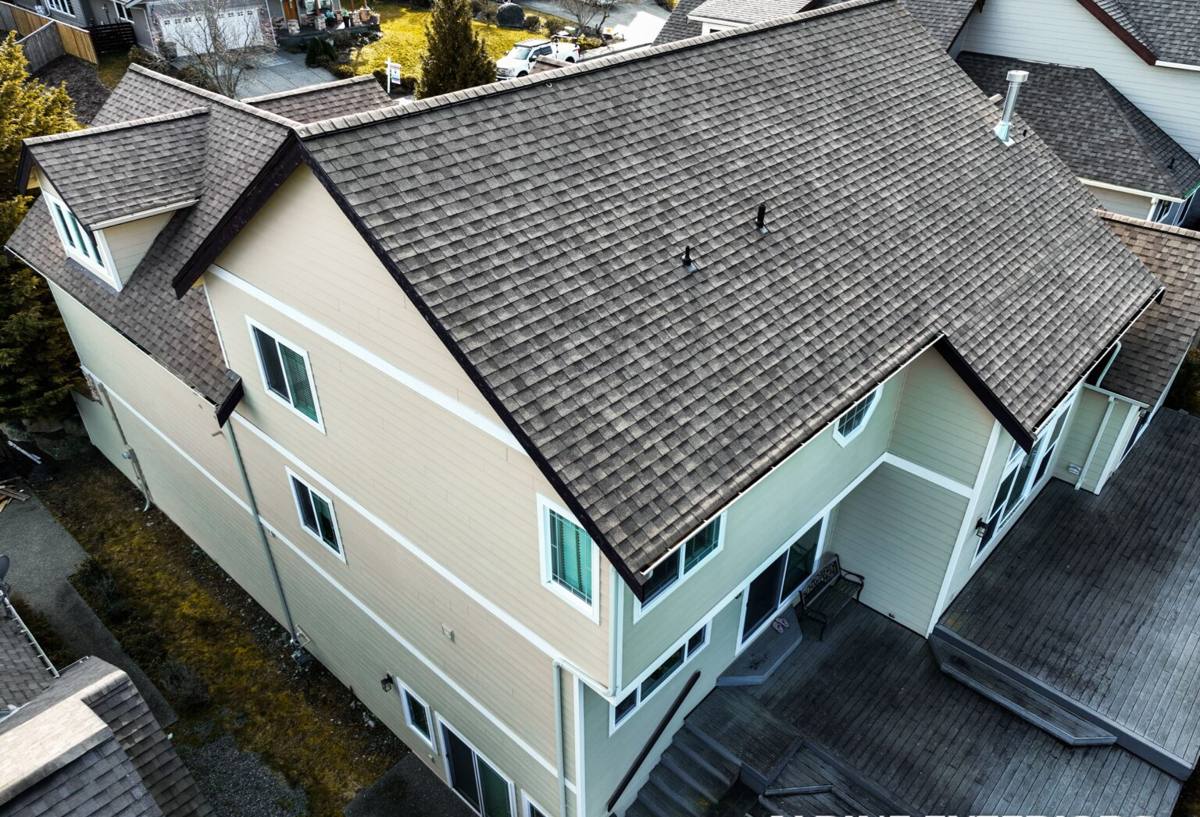
Why Sedro-Woolley Siding Wears Out Faster Than Homeowners Expect
Most siding failure in this part of Washington isn't dramatic — it's slow. Moisture finds a gap, a seam, or a piece of siding that's lost its ability to shed water, and it works its way behind the surface where nobody can see it until paint starts bubbling or trim starts to soften.
Moss and Shade
Sedro-Woolley's tree cover is heavier than it is right on the water in Anacortes, and shaded siding stays wet longer after every rain. Moss and algae take hold on north-facing walls and anywhere water sheets down slowly, and once established they hold moisture against the siding surface around the clock, not just during storms.
Driving Rain and Wind-Driven Moisture
Fall and winter storms in this region don't just drop rain — they push it sideways into wall assemblies, seams, and butt joints. Siding that isn't installed with correct clearances, flashing, and fastening can let that wind-driven moisture past the surface layer even when the material itself is sound.
Freeze-Thaw and Seasonal Swings
Skagit County doesn't see extreme cold often, but it does see enough freeze-thaw cycling each winter to stress any siding material that absorbs moisture and expands. Repeated cycles are what turn a small crack or gap into a larger one over a few seasons.
What a Correct Siding Replacement Actually Involves
Siding replacement is not simply removing old panels and nailing up new ones. Done correctly, it's an opportunity to fix problems that are otherwise hidden behind the wall for another 20-30 years.
Tear-Off and Inspection
Once the old siding is off, we inspect the sheathing underneath for rot, soft spots, or prior water damage — this is often the first real look anyone has had at the wall assembly since the home was built. Any damaged sheathing gets replaced before anything new goes up; installing new siding over compromised sheathing just hides the problem again.
Weather-Resistive Barrier and Flashing
A correctly installed weather-resistive barrier, properly lapped and taped, along with correct flashing at windows, doors, and roof-to-wall intersections, is what actually keeps water out of the wall assembly. The siding itself is the second line of defense, not the first — a common misunderstanding that leads to under-flashed jobs that look fine for a few years and then don't.
Manufacturer-Spec Installation
James Hardie siding has specific requirements for fastener spacing, clearance from grade and roofing, joint treatment, and caulking that are laid out in the manufacturer's installation manual. Following that spec is what keeps the product's warranty valid and what determines whether it performs the way it's engineered to in a wet climate.
Why We Install Only James Hardie Fiber Cement
We made the decision to install a single siding product line rather than offer several, because in a climate like Skagit County's, the material matters as much as the workmanship. James Hardie fiber cement is non-combustible, engineered specifically for wet marine climates through its HZ5 product line, and finished at the factory with ColorPlus technology — a baked-on finish that resists fading and doesn't rely on a field-applied paint job to hold up over time.
It also carries a strong, transferable manufacturer warranty when installed to spec, which matters if you ever sell the home. We're not going to tell you other products don't work at all — they have real uses and real strengths. But we don't install vinyl, engineered wood products like LP SmartSide, primed spruce, cedar, or fiber cement alternatives like Cemplank or Allura, because we'd rather stand fully behind one product system that we know performs correctly here than split our attention and warranty support across several.
Comparing Siding Materials in a Wet, Moss-Prone Climate
Here's an honest look at how the common siding categories perform in conditions like Sedro-Woolley's — heavy shade, driving rain, and long damp stretches.
| Material | Moisture Behavior | Maintenance | Typical Lifespan | Fire Rating |
|---|---|---|---|---|
| James Hardie fiber cement | Does not absorb and swell like wood; engineered HZ5 line for wet marine climates | Occasional cleaning; factory finish resists fading | 30+ years with correct install | Non-combustible |
| Vinyl | Sheds water on the surface but seams and edges can allow moisture behind panels; can warp with heat exposure | Low, but panels can crack or fade over time | 15-25 years | Combustible, can melt/deform |
| Engineered wood (LP-type) | Resin-treated but still wood-based; vulnerable if the factory edge seal is compromised or cut edges aren't sealed in the field | Requires diligent caulking/paint maintenance | 20-30 years, install-dependent | Combustible |
| Cedar / primed spruce | Natural wood; absorbs moisture, prone to moss and rot in shaded, damp conditions without upkeep | High — regular staining, sealing, moss treatment | 15-25 years with upkeep | Combustible |
The pattern that matters most for this area: any product that depends on a field-applied finish or an unbroken seal to keep moisture out is only as good as the installation and the upkeep that follows. Fiber cement gives you more margin for error in a climate that doesn't forgive gaps.
Our Siding Replacement Process
Our process is the same whether the job is a full re-side or a partial replacement after storm or moisture damage:
- On-site inspection and estimate. We look at the existing siding, check for soft spots or moisture signs, and give you a straightforward written estimate — no pressure, no inflated scope.
- Tear-off. Old siding and any damaged trim come off, and we protect landscaping and walkways while we work.
- Sheathing repair. Any rot or soft sheathing found underneath gets replaced before we move forward.
- Weather barrier and flashing. We install or repair the weather-resistive barrier and flash every penetration — windows, doors, roof lines — correctly the first time.
- Hardie installation to spec. Panels or planks go up following James Hardie's fastening, clearance, and joint requirements exactly.
- Final inspection and cleanup. We walk the job with you, and the site is cleaned up before we consider it done.
What Affects the Cost of a Siding Replacement
Every home is different, but the same handful of factors drive cost on most Sedro-Woolley projects:
- Square footage and number of stories
- Amount of sheathing repair needed once old siding comes off
- Complexity of the home's trim, corners, and roof lines
- Siding profile chosen (lap, shingle, or panel) and color selection
- Site access for material staging and disposal
We won't quote a number without seeing the home, but we're happy to talk through rough ranges and what drives them during your estimate.
Signs Your Sedro-Woolley Home May Need Siding Replacement
Not every issue means a full re-side — but these are the signs worth having looked at before they become bigger repairs:
- Persistent moss or algae growth that comes back quickly after cleaning
- Soft or spongy spots when you press on the siding surface
- Paint that's peeling, bubbling, or failing faster than it used to
- Visible gaps, cracks, or warping at seams and corners
- Rising energy bills that suggest air and moisture are getting past the wall assembly
- Siding that's simply original to a much older home and nearing the end of its service life
Why Hiring a Crew That Already Works in Sedro-Woolley Matters
Siding installation isn't identical everywhere in Western Washington. A crew that regularly works Skagit County knows how much clearance to leave at grade given the rain volume here, how aggressively to plan for moss and shade on tree-covered lots, and how to sequence a job around the region's wetter months so materials and open wall assemblies aren't sitting exposed longer than necessary. That local familiarity also means fewer surprises with permitting and inspection expectations in the area, and a realistic sense of scheduling around Skagit County's weather windows rather than a generic timeline built for a drier climate.
If you're ready to talk through what your Sedro-Woolley home needs, we're happy to take a look and put together a free, no-pressure estimate — just fill out the form below.