 Anacortes Roofing
 Storm Damage Repair Built for Ship Harbor's Weather
Ship Harbor sits right where Anacortes catches the full brunt of weather moving through Rosario Strait and the wider Salish Sea. Homes here take a different kind of beating than a roof twenty miles inland — wind-driven rain that finds every weak seam, salt-laden air that speeds up corrosion on metal fasteners and flashing, and a moss season that runs long and wet for much of the year. When a storm rolls through and knocks loose shingles, lifts flashing, or drives water under a seam, the damage rarely announces itself with a dramatic leak on day one. It shows up weeks later as a stain on a ceiling, or worse, as rot nobody notices until a re-roof reveals it.
This page is about one thing: storm damage roof repair for Ship Harbor homes, done by a crew that already works this part of Skagit County and understands what the local climate does to a roof over time.
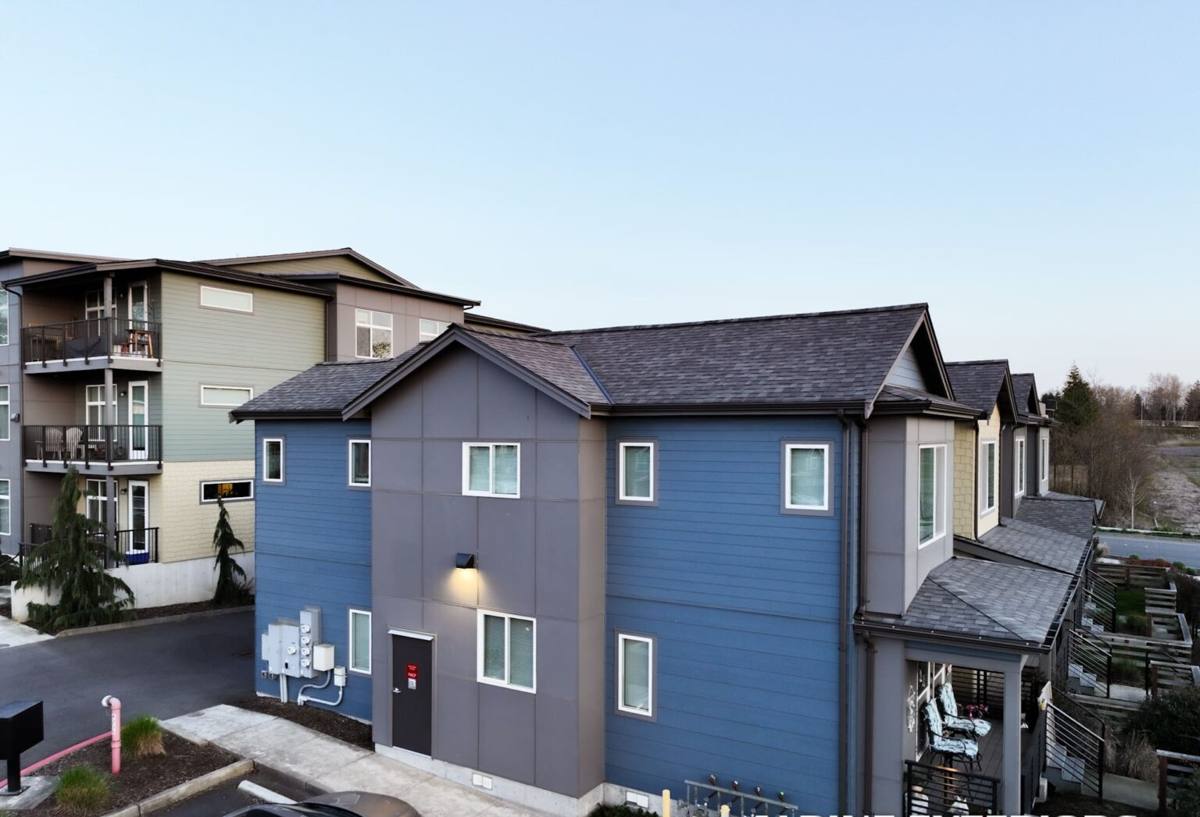
What Ship Harbor Roofs Are Actually Up Against
Wind Off the Water
Ship Harbor's exposure to open water means gusts often arrive with less to slow them down than roofs tucked further into town. Wind doesn't just rip shingles off outright — more often it works underneath a tab, breaks the seal, and leaves the shingle loose but still in place. That loose shingle then flaps in every wind event after, wearing out its own nail holes and letting water sneak in a little further each time.
Driving Rain and Wind-Driven Water
Rain that comes in sideways behaves differently than rain falling straight down. It can push past standard shingle overlaps, work into exposed nail heads, and find gaps at valleys, chimneys, skylights, and wall-to-roof transitions that would stay dry in calmer weather. Storm damage repair in this area has to account for that horizontal component, not just patch what's visibly torn.
Salt Air and Corrosion
Proximity to saltwater accelerates corrosion on exposed metal — flashing, fasteners, gutter hardware, and vent boots all age faster here than they would further inland. A storm that loosens or bends flashing that was already weakened by salt exposure can fail faster and more completely than the same event would on a roof further from the water.
Moss and Trapped Moisture
Skagit County's long wet season keeps roofs damp for extended stretches, and Ship Harbor's tree cover and marine humidity both favor moss growth. Moss holds water against the roofing material, works its way under shingle edges, and can mask storm damage entirely — a lifted shingle edge covered in moss is easy to miss during a quick visual check from the ground.
Signs Your Roof Took Storm Damage
Not every problem is obvious from the driveway. After a windstorm or heavy rain event, it's worth checking for the following:
- Shingles that look curled, cracked, or creased, even if none are missing
- Granules collecting in gutters or at downspout outlets
- Bent, lifted, or missing flashing around chimneys, skylights, and roof-to-wall junctions
- Soft spots or discoloration on ceilings, especially near exterior walls
- Gutters pulling away from the fascia or sagging after heavy rain
- Debris — branches, needles, moss clumps — collected in valleys where water is meant to flow freely
- Visible daylight through the attic decking near vents, ridges, or eaves
If you see any of these after a storm, it's worth a professional look before the next round of weather makes the problem worse.
What a Correct Storm Damage Repair Actually Involves
A Real Inspection, Not a Glance
A proper storm damage assessment means getting on the roof — not just looking up from the ground — and checking the decking, underlayment, flashing, and fastener condition, not just the shingles themselves. Damage that looks minor from below can be much more extensive once you're actually walking the surface.
Temporary Protection First
If a roof has active exposure — torn material, missing shingles, exposed decking — the first priority is stopping water intrusion, usually with tarping or temporary flashing, before scheduling the permanent repair. In a marine climate where the next rain system is rarely far off, this step isn't optional.
Matching Materials, Not Just Patching Holes
A repair that doesn't match the existing shingle profile, color, and exposure will age unevenly and stand out — and worse, mismatched materials can create their own water paths if the overlap and fastening pattern don't tie in cleanly with what's already there. Good repair work respects the existing roof system rather than fighting it.
Flashing and Underlayment Get Checked, Not Assumed
Most repeat leaks after a "repair" come from flashing or underlayment that was never actually inspected — the crew replaced the visible shingles and moved on. Storm damage repair done right means checking what's underneath the shingles at every vulnerable point: valleys, penetrations, and wall transitions.
Our Process, Start to Finish
1. Assessment and Documentation
We inspect the roof, photograph the damage, and give you a straightforward explanation of what we found and what it means — no pressure toward a bigger job than what's actually needed.
2. Insurance Coordination, If Applicable
Many storm damage repairs are covered under homeowners' insurance. We document damage in a way that supports a claim and can work directly with your adjuster, but we won't tell you to file a claim for damage that doesn't warrant one — that's not a service to you or to your future premiums.
3. The Repair Itself
Once scope is agreed on, we do the work: replacing damaged shingles or sections, repairing or replacing compromised flashing, addressing any exposed or damaged decking, and re-sealing vulnerable points against wind-driven rain.
4. Cleanup and Follow-Up
We clear debris, check gutters and downspouts for storm-related buildup, and leave the site the way we found it. If you have questions after the repair, we're a local crew you can actually reach — not a call center.
Repair vs. Replacement: How We Decide
Not every storm-damaged roof needs full replacement, and not every roof can be responsibly patched. The decision usually comes down to a few honest factors:
| Factor | Favors Repair | Favors Replacement |
|---|---|---|
| Extent of damage | Localized to one section or slope | Widespread across multiple slopes |
| Roof age | Under roughly two-thirds of expected lifespan | Near or past expected lifespan |
| Underlying decking condition | Solid, dry decking beneath the damage | Soft, rotted, or repeatedly wet decking |
| Material availability | Matching shingles still available | Discontinued or badly weathered/mismatched material |
| History of prior repairs | First significant issue | Pattern of recurring leaks or patches |
We'll walk you through where your roof falls on these factors rather than defaulting to the more expensive option.
Why Hiring a Crew That Already Works Ship Harbor Matters
Storm damage repair isn't just about roofing technique — it's about understanding the specific conditions a roof in this area lives with. A crew that regularly works Ship Harbor and the surrounding Anacortes waterfront knows which flashing details tend to fail first in salt air, which slopes catch the worst of the wind off the strait, and how long moss can sit on a roof here before it starts causing real problems. That local pattern recognition means a faster, more accurate diagnosis and a repair that's built for the next storm, not just cosmetically fixed for the next open house.
It also means faster response. After a significant windstorm, roofing crews get busy fast across Skagit County. A local crew already routed through the Anacortes area can typically get temporary protection on an exposed roof sooner than a company dispatching from further away.
Preventing the Next Round of Damage
Storm damage repair is also a good moment to address the conditions that made the damage worse than it needed to be. That often means clearing moss and debris from valleys and gutters, checking that attic ventilation is adequate to prevent moisture buildup, and confirming that flashing at vulnerable points is in good condition before the next wet season sets in. None of this is expensive compared to a full repair, and it meaningfully reduces how much a future storm can do.
Get a Straightforward, No-Pressure Estimate
If a recent storm has you wondering whether your roof took damage, or you've already spotted something that doesn't look right, we're glad to take a look. We'll give you a clear, honest assessment of what we find and what it would take to fix it properly — no upselling, no scare tactics. Use the form below to request a free estimate for storm damage roof repair in Ship Harbor or anywhere in the greater Anacortes area.