 Anacortes Roofing
 Why Ship Harbor Windows Wear Out Faster Than You'd Expect
Ship Harbor sits close enough to the water that homes here take a different kind of beating than a house a few miles inland in Skagit County. Salt-laden air works into aluminum frames and hardware, driving rain finds its way past worn weatherstripping and old flashing, and the long, damp moss season keeps everything around a window opening wet for months at a time. None of that is dramatic on its own, but stacked up year after year it's what turns a 20-year-old window into a problem window well before its time.
Most of the window failures we see in this neighborhood aren't from the glass itself — it's the frame, the seals, and the flashing detail around the opening giving out. That distinction matters, because it changes what "replacement" should actually mean. A window that's just swapped out without fixing what let the water in to begin with is going to fail again, just on a shorter timeline.
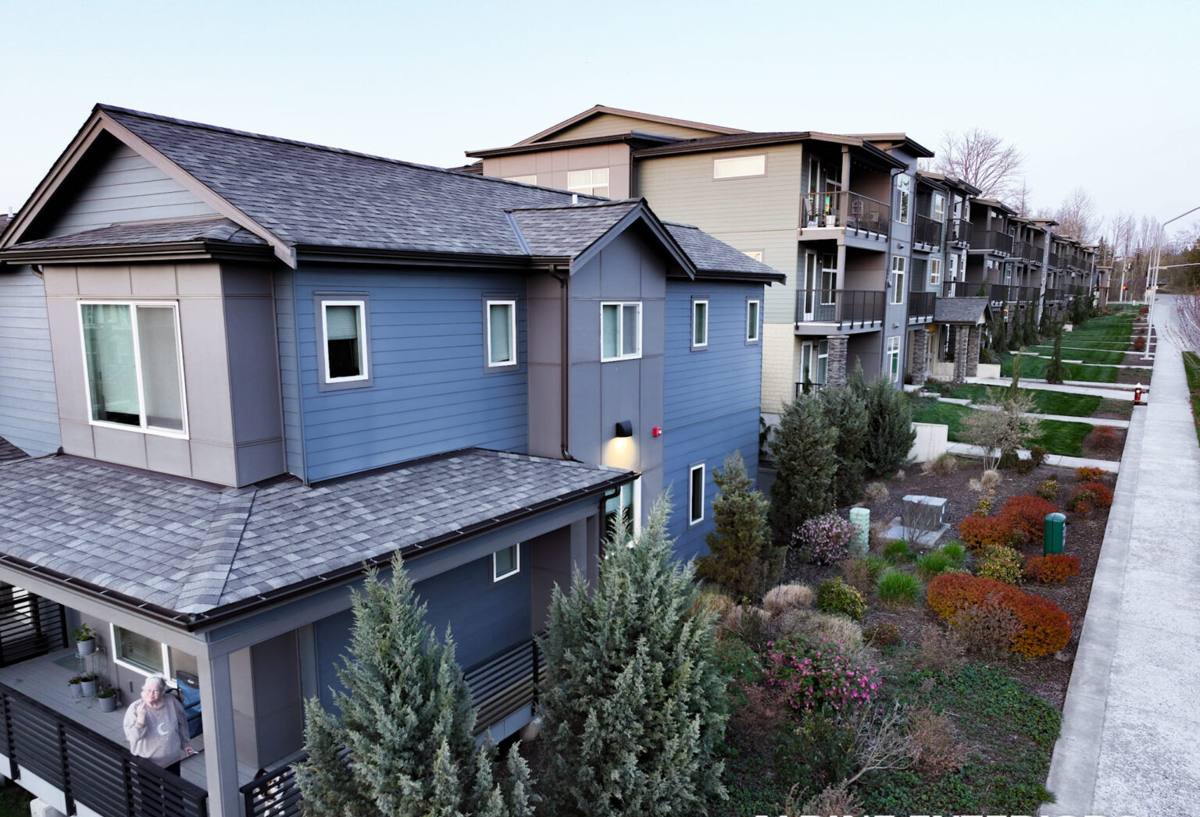
Signs a Ship Harbor Home Needs New Windows
You don't need to wait for a window to fail outright before it's worth replacing. Some signs show up early and are worth acting on:
- Fogging or a milky haze between panes — the seal on the insulated glass unit has failed and moisture is trapped inside
- Wood trim or sill that's soft, discolored, or has visible mold or moss growth around the frame
- Windows that are noticeably harder to open, close, or lock than they used to be
- Cold drafts near the frame even when the window is fully latched
- Condensation forming on the inside of the glass regularly through fall and winter
- Visible corrosion or pitting on aluminum frames or hardware
- Paint that keeps failing on the exterior trim around a specific window no matter how often it's redone
Any one of these is worth a look. Several at once, especially on windows facing the prevailing weather, usually means the window and the opening around it both need attention.
What a Correct Window Replacement Actually Involves
It Starts With the Opening, Not the Window
The window unit itself is a commodity — the part that actually determines whether it performs in this climate is how the opening is prepared and how the new window is sealed into it. That means checking the sheathing and framing behind the old window for rot or moisture damage before anything new goes in, correcting any flashing or drainage issues that let water in the first place, and only then setting the new unit.
Flashing and Water Management
In a location that gets driving rain off the water, the flashing detail at the head, jambs, and sill of the window opening matters as much as the window itself. Water needs a way to drain out if it ever gets behind the exterior cladding — it shouldn't be relying on caulk alone to keep it out forever. We install with proper head flashing, sill pan protection, and integration with the existing weather-resistive barrier so the whole assembly sheds water the way it's supposed to, not just the window glass.
Sealing and Insulation
Around the perimeter of the frame, the gap between the window and the rough opening gets sealed with a proper low-expansion foam or backer rod and sealant system — not just packed with whatever was on hand. Done right, this stops air infiltration and gives you a consistent interior temperature near the window instead of a cold ring around the frame in winter.
Frame Material: What Holds Up Near the Water
Frame material choice matters more here than it would further inland, since salt air and constant moisture exposure are harder on some materials than others. Here's how the common options compare for a coastal Anacortes property:
| Frame Material | Salt Air / Moisture Behavior | Maintenance | Typical Trade-Off |
|---|---|---|---|
| Vinyl | Doesn't corrode; handles moisture well | Low — occasional cleaning | Limited color/finish options; can look less premium on some home styles |
| Fiberglass | Very stable, resists corrosion and expansion/contraction | Low | Higher upfront cost than vinyl |
| Aluminum (uncoated/older style) | Prone to corrosion and pitting near salt air over time | Higher — needs monitoring for corrosion | Thin sightlines, but our standard for coastal installs steers away from bare aluminum for this reason |
| Wood / Wood-clad | Needs a sound exterior cladding layer to keep moisture off the wood core | Higher — finish and seal upkeep | Best interior appearance; more maintenance discipline required in this climate |
We don't push one material on every job. A wood-clad window can be the right call for a home where the interior look matters and the owner is willing to keep up with maintenance. For a lower-maintenance approach on a house that takes weather straight off the water, vinyl or fiberglass is usually the more honest recommendation. Where we're cautious is bare or lower-grade aluminum in a direct salt-air exposure — it's not that the product is bad everywhere, it's that this particular environment is hard on it over the long run, and we'd rather set expectations up front than have a homeowner dealing with corrosion in eight years.
Glass and Performance for This Climate
Glass package matters as much as frame material, especially with the amount of grey, wet weather Anacortes gets through fall and winter. Dual-pane glass with a Low-E coating is the baseline we recommend for any Ship Harbor replacement — it cuts heat loss, reduces condensation risk on the interior pane, and helps keep the moss and mildew that thrive in constant dampness from getting a foothold on the frame and sill where condensation used to collect.
Argon gas fill between panes is a modest but real upgrade for insulating performance, and it's typically an affordable add rather than a major cost jump. For homes with more direct sun exposure, a Low-E coating can also be tuned to cut down on solar heat gain — worth discussing if a particular window has been an issue for glare or summer heat.
How Our Process Works
We keep the process straightforward so there aren't surprises mid-project:
- On-site assessment of each window — checking the frame, sill, surrounding trim, and signs of water intrusion, not just measuring for a quote
- Written estimate with frame material, glass package, and flashing/sealing scope spelled out plainly
- Scheduling that accounts for weather — we don't want an opening exposed during a stretch of driving rain
- Removal of the old unit and inspection of the framing behind it before anything new is installed
- Any needed repair to rotted or damaged framing, addressed before the new window goes in — not papered over
- Installation with proper flashing, sill pan, and air-sealing detail
- Interior and exterior trim finish work to match the home
- Final walkthrough and cleanup, with the old windows hauled off
If we find rot or water damage behind a window once it's opened up, we'll show you what we're seeing and talk through the repair before proceeding — that's not an upsell tactic, it's the only way to make sure the new window doesn't end up sitting on the same compromised framing that failed the old one.
What Affects the Cost
Every home and window is different, but the main variables that move the price on a Ship Harbor job are consistent:
| Factor | Why It Matters |
|---|---|
| Frame material | Vinyl is typically the most affordable; fiberglass and wood-clad cost more upfront |
| Window size and style | Custom shapes, large picture windows, or bay/bow configurations cost more than standard double-hungs |
| Framing repair needed | Rot or water damage found behind an old window adds labor and material to correct properly |
| Number of windows and access | Whole-house projects have better per-unit pricing than single-window replacements; upper-floor or hard-to-access windows add labor |
| Glass package | Low-E coatings, argon fill, and tempered glass (required in some locations by code) add incremental cost |
| Trim and finish work | Matching existing interior/exterior trim profiles takes more time than a basic finish |
We'd rather walk a homeowner through these factors on-site than throw out a number that doesn't hold up once we actually see the windows and framing involved.
Why Local Experience in This Neighborhood Matters
A window contractor who mostly works dry, inland jobs isn't necessarily thinking about salt exposure, wind-driven rain angles, or how much moss buildup a north-facing sill collects through a Skagit County winter. Working in and around Anacortes regularly means we've already seen how specific frame materials and flashing details hold up — or don't — in this exact kind of exposure. That's not something you can fully substitute with a product spec sheet; it comes from doing the work here repeatedly and following up on how it performs a few years out.
It also means we're not guessing at code requirements or permitting expectations for the area, and we're set up to schedule around the weather patterns that actually affect this kind of work here, rather than treating every region the same.
After Installation: Keeping New Windows Performing
New windows still need a little seasonal attention in this climate to get their full service life:
- Rinse salt residue off exterior frames periodically, especially after storms
- Clear moss and debris from sills and tracks before it holds moisture against the frame
- Check exterior caulking annually and touch up any cracking before wet season
- Keep weep holes (the small drainage openings at the base of the frame) clear so water can exit properly
- Operate locks and hardware periodically through winter so they don't seize from disuse
None of this is heavy maintenance, but skipping it is how a well-installed window ends up with avoidable problems a decade in.
If you're noticing drafts, fogged glass, or trim trouble around your windows, we're happy to come take a look and give you a straightforward, no-pressure estimate — just fill out the form below.