 Anacortes Roofing
 Ship Harbor's Climate Asks More of Siding Than Most Places
Homes near Ship Harbor sit close enough to the water that salt air, wind-driven rain, and a moss season that can run most of the year all work on exterior siding at once. That's a different load than siding carries a few miles inland in Skagit County, and it's why a siding replacement here needs to be planned around the specific conditions of this stretch of Anacortes, not treated like a generic re-side job.
We've replaced siding on enough homes in this neighborhood to know which failure patterns show up first, which details get skipped on a rushed job, and which materials actually hold up once the marine air and the rain settle in for the season. This page walks through what we look for, what correct work involves, and why the material matters as much as the labor.
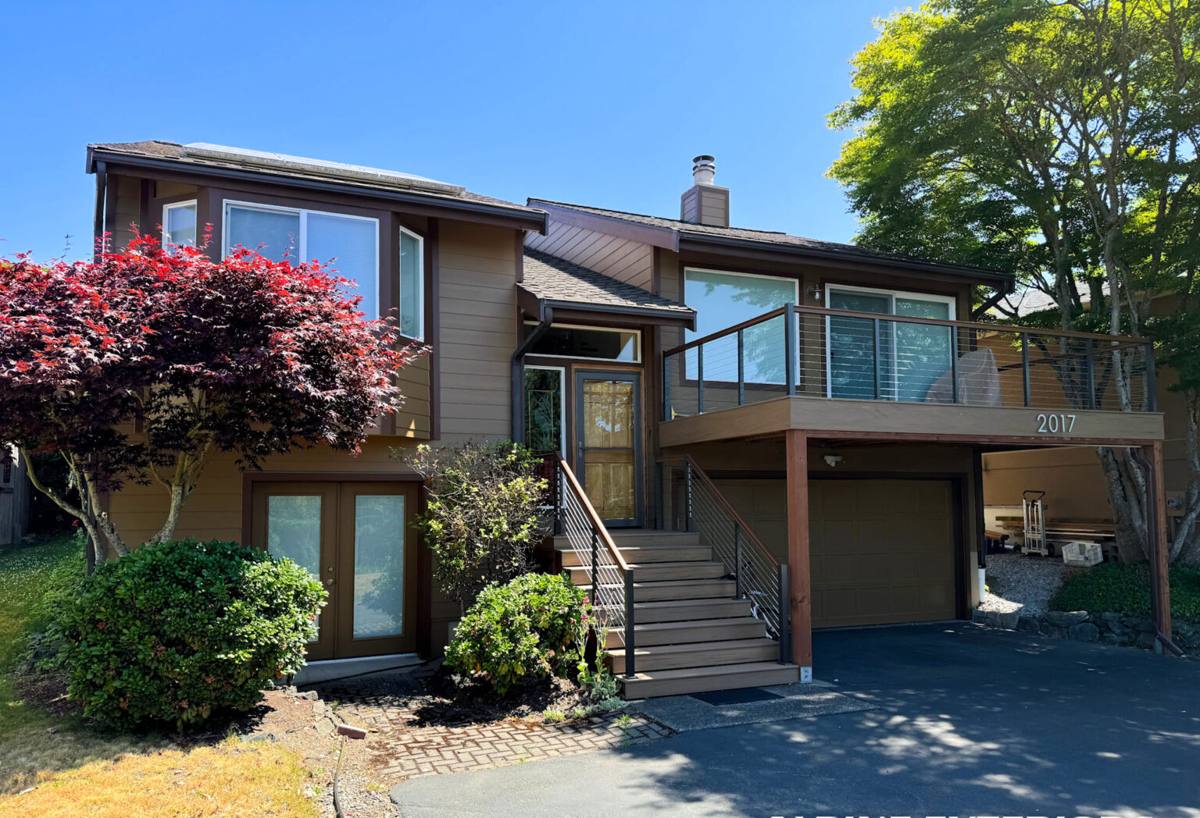
Why Salt Air, Driving Rain, and Moss Are a Tough Combination
Salt Air and Corrosion
Airborne salt from Puget Sound doesn't just sit on the surface of siding — it works into fasteners, trim joints, and any exposed metal flashing. Over years, that accelerates corrosion in low-grade fasteners and can stain or streak siding around joints where moisture and salt collect. Homes closer to the water take this harder than homes set back a few blocks, but Ship Harbor's whole footprint gets more of it than most Anacortes neighborhoods.
Driving Rain and Wind-Driven Moisture
Storms off the water don't just fall straight down — wind pushes rain sideways into wall assemblies, testing every lap, seam, and piece of flashing on a home's exterior. Siding that's fine in a calm rain can still let water in during a wind-driven event if the laps, caulking, or flashing details weren't done correctly the first time. That's usually where we find the actual damage during an inspection — not on the open wall faces, but at the joints.
The Long Moss Season
Skagit County's damp, mild winters and shoulder seasons give moss and algae a long window to take hold on north-facing walls, under eaves, and anywhere siding stays shaded and damp. Wood-based and wood-alternative products are more vulnerable here because organic growth feeds on the surface material itself, not just sitting on top of it. Left alone, sustained moss growth traps moisture against the siding and shortens its service life.
Signs a Ship Harbor Home Needs Siding Replacement
Not every issue means a full replacement, but these are the signs worth taking seriously in this climate:
- Soft, spongy, or crumbling spots on wood or wood-composite siding, especially near the bottom courses or under windows
- Persistent moss or dark streaking that comes back within weeks of cleaning
- Visible gaps, warping, or bowing in siding panels or lap boards
- Peeling, bubbling, or chalking paint that needs repainting more often than every few years
- Rust streaks bleeding from fastener heads or metal trim
- Soft trim boards around windows, doors, or corners
- Interior signs like musty smells, peeling interior paint, or damp drywall on exterior-facing walls
If you're seeing two or more of these at once, it's worth having a contractor open up a section and look at the sheathing behind the siding before deciding on a repair-versus-replace plan.
What a Correct Siding Replacement Actually Involves
Tear-Off and Sheathing Inspection
A proper job starts with full removal of the old siding and trim, not siding over it. That's the only way to actually see the sheathing, catch any rot or soft spots that developed underneath, and address them before new siding goes on. Covering over hidden damage is one of the most common shortcuts we see on older re-side jobs in coastal neighborhoods, and it guarantees problems resurface later.
Water-Resistive Barrier and Flashing
Behind the siding, a continuous water-resistive barrier (WRB) needs to be installed and properly lapped, with flashing integrated at every window, door, and roof-to-wall intersection — not caulked over as an afterthought. In a driving-rain climate, these details do more to keep a wall assembly dry over the long run than the siding material itself.
Fastening and Ventilation
Fastener type, spacing, and placement matter — especially in a salt-air environment where corrosion-resistant fasteners are worth the extra cost. Siding also needs a small ventilation gap behind it so any moisture that does get in can dry out instead of staying trapped against the sheathing.
Why We Install Only James Hardie Fiber Cement
Built for Wet, Marine Climates
We standardized on James Hardie fiber cement siding, and for a neighborhood like Ship Harbor, the reasoning is straightforward: it's engineered specifically for wet climate zones, it's non-combustible, and it doesn't feed moss and mildew growth the way wood or wood-fiber products can. Hardie's HZ10 product line is engineered for the kind of damp, moderate-temperature exposure common along the Pacific Northwest coast, which fits this location better than a one-size-fits-all national spec.
ColorPlus Finish vs. Field-Painted Siding
James Hardie's ColorPlus factory finish is baked on under controlled conditions, which gives it more consistent adhesion and fade resistance than siding painted on-site after installation. In a climate with strong UV in summer and near-constant damp in winter, that finish durability directly affects how often a homeowner has to repaint — a real, recurring cost with wood, primed spruce, and some engineered wood products that we've chosen not to install for that reason.
Comparing Siding Materials for This Climate
| Material | Moisture Behavior in Wet Climates | Moss / Algae Resistance | Typical Repaint Interval |
|---|---|---|---|
| James Hardie fiber cement | Engineered non-combustible material, doesn't absorb and swell like wood | Doesn't feed organic growth the way wood fiber does | ColorPlus finish rated for years before repaint needed |
| Vinyl | Doesn't rot, but can warp or crack with temperature swings; seams can let water behind panels | Moderate — surface growth still occurs, harder to fully clean | Never repainted, but fades and becomes brittle over time |
| Wood / cedar | Absorbs moisture, prone to rot and swelling without diligent maintenance | Most vulnerable — organic material feeds growth directly | Every 2-4 years typically |
| LP SmartSide / engineered wood | Better than raw wood but still wood-fiber based; edge and seam moisture intrusion is a known sensitivity | Better than cedar, still more vulnerable than fiber cement | Field-applied finishes need more frequent attention |
What Drives the Cost of a Siding Replacement
Every Ship Harbor home is different, and an accurate number only comes from an in-person look. But these are the factors that consistently move the price:
| Factor | Why It Matters |
|---|---|
| Total square footage and home height | More surface area and multi-story access both add labor time |
| Condition of the sheathing underneath | Hidden rot or water damage found during tear-off adds repair scope |
| Trim, corner, and window detail complexity | More cuts, more flashing, more precision work |
| Number of existing siding layers | Removing multiple layers takes more time than a single layer |
| Siding profile and color choice | Lap width, texture, and ColorPlus color affect material cost |
Our Siding Replacement Process
- On-site inspection of current siding, trim, and any accessible sheathing to scope the real condition of the wall assembly
- Written plan covering tear-off, sheathing repair (if needed), WRB and flashing details, and the Hardie product line and color selected
- Full removal of old siding and trim, with sheathing repaired before anything new goes on
- Installation of water-resistive barrier, flashing at all penetrations, and the ventilation gap behind new siding
- James Hardie fiber cement installation to manufacturer fastening and clearance specifications
- Final walk-through and site cleanup
Why Hiring a Crew That Already Works Ship Harbor Matters
A contractor who works this neighborhood regularly already knows which walls take the worst weather exposure, how local moss growth tends to behave through the seasons, and what permitting and inspection expectations look like in this part of Anacortes. That local pattern recognition shows up in small decisions — where to add extra flashing, which corners need closer attention, how much ventilation clearance to build in — that a crew unfamiliar with this specific stretch of coastline might not think to prioritize.
Before hiring anyone for a siding project here, it's reasonable to ask:
- How many siding replacements have you done specifically in this neighborhood or similar coastal areas of Skagit County?
- What's your process for checking sheathing condition during tear-off?
- What fastener and flashing specs do you use, and why?
- What warranty covers the material, and separately, what warranty covers your labor?
- Can you walk me through why you recommend one siding material over another for this specific home?
Caring for Your New Siding
Fiber cement siding is low-maintenance, not no-maintenance. A yearly rinse-down to clear pollen, salt residue, and early moss growth — especially on north-facing and shaded walls — goes a long way toward keeping ColorPlus finish looking new. Keeping gutters clear and vegetation trimmed back from walls also reduces the moisture and shade that moss and algae need to get started in the first place.
If you're weighing a siding replacement for a Ship Harbor home, we're glad to come take a look, walk you through what we find, and put together a straightforward, no-pressure estimate — no obligation either way. Use the form below to get started.