 Anacortes Roofing
 Building New in Skyline? Windows Are Not a Place to Cut Corners
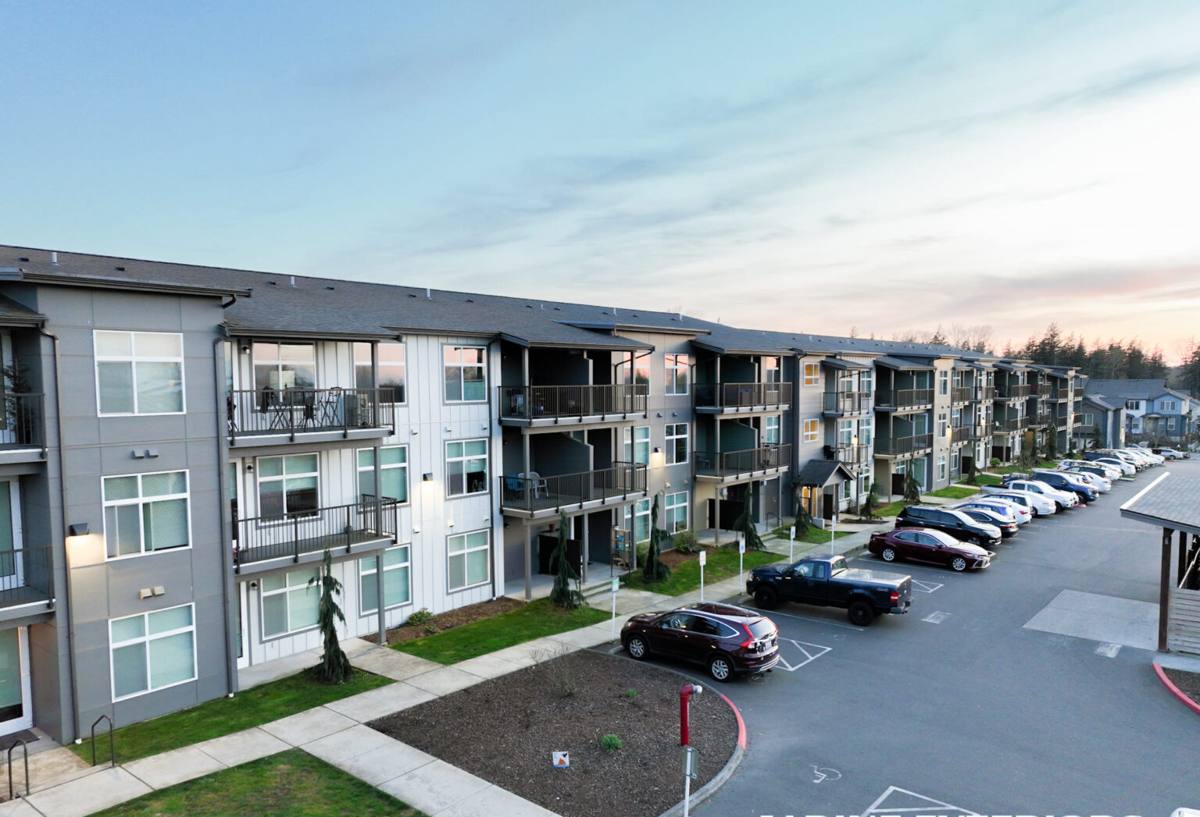
Skyline sits up on the hill above Anacortes with open exposure to wind off Fidalgo Bay and the Guemes Channel. New homes and additions going in up here get more direct weather than lots tucked into town — more wind-driven rain hitting the walls, more salt-laden air settling on glass and hardware, and a longer stretch of damp, shaded months where moss and algae take hold on anything that stays wet. When a house is still framed and open, that's the one window in the whole build where you get to do window installation right from the start instead of fighting an existing wall assembly later. We install new-construction windows for builders, remodelers, and homeowners working in Skyline, and we approach every opening the same way: as a system, not just a piece of glass.
What Skagit County Weather Actually Does to a Window Opening
It's worth being specific about what we're protecting against, because it changes how the job gets done.
Salt Air
Being close to saltwater means airborne salt settles on exterior surfaces and accelerates corrosion on lower-grade fasteners, hinges, and cladding. It doesn't ruin a window overnight, but over years it will find any weak hardware or unprotected metal and go to work on it.
Driving Rain
Wind off the water doesn't just fall — it pushes rain sideways into wall assemblies, which means water pressure at the window opening isn't limited to the sill. Flashing has to handle water hitting the head and jambs too, not just pooling at the bottom.
Moss and Algae Season
Western Washington's long wet season, especially on north- and shaded-side elevations common on wooded Skyline lots, keeps surfaces damp for extended periods. Any spot where water isn't shedding cleanly becomes a place where organic growth gets a foothold, which is as much a maintenance and appearance issue as a moisture one.
None of this is unusual for Anacortes or the rest of Skagit County. It's just the baseline a new-construction window install has to be built for.
What a Correct New-Construction Window Install Involves
New-construction windows have a nailing fin and get installed before the exterior cladding goes on, which is an advantage — you have full access to the rough opening and the weather-resistive barrier. That advantage only pays off if the sequence is done in the right order.
- Rough opening prep: confirming the opening is square, level, and sized correctly before the window ever shows up on site — catching framing problems now is far cheaper than after cladding is on.
- Sill pan flashing: a sloped, sealed pan at the sill so any water that does get past the window has a clear path back outside instead of sitting on the framing.
- Weather-resistive barrier integration: the house wrap or WRB has to be cut, lapped, and taped in the correct shingle-style order — flashing tape at the sides and head lapping over the layer below it, always working water downhill.
- Window setting and shimming: the unit set plumb, level, and square, shimmed at the right load points so it isn't racked or bowed once fastened.
- Fastening per manufacturer spec: nailing fin fasteners at the correct spacing, using corrosion-resistant fasteners given the salt-air exposure this close to the water.
- Head flashing: a drip cap or head flashing detail that sheds water out and away from the top of the opening, not just a bead of sealant.
- Interior and exterior sealant: back-bedding and perimeter sealing with a compatible sealant — done correctly, not skipped because the wrap is already on.
Skip or shortcut any one of these steps and the window itself can be excellent quality and still leak, because the leak point usually isn't the window unit — it's the transition between the window and the wall.
Choosing Window Products for This Exposure
We install a range of vinyl and fiberglass new-construction window lines and we're glad to work within a builder's or homeowner's existing spec. Where we push back is on hardware and finish choices that don't hold up well in salt air over time — certain lower-grade cladding or exposed fastener finishes will corrode faster this close to the water, which shows up as staining and stuck hardware years down the road. That's not a claim about any specific manufacturer being bad; it's a maintenance and longevity trade-off we'll walk you through so you're choosing with full information, not guessing.
| Factor | Why It Matters in Skyline |
|---|---|
| Frame material | Vinyl and fiberglass both resist corrosion better than bare aluminum in salt-air exposure |
| Hardware finish | Corrosion-resistant hardware avoids stuck locks and streaking from salt exposure over time |
| Glass package | Low-E, argon-filled dual pane is standard for our climate; triple pane is worth pricing out on north- and west-facing walls that catch the most wind |
| Sill design | A sloped sill sheds driving rain instead of holding it against the frame |
| Exterior color/finish | Darker finishes show salt film and water spotting faster, which is a cosmetic maintenance consideration, not a defect |
Our Process for a Skyline New-Construction Job
1. Plans and Site Walk
We review the window schedule against the actual framing plan, flag any opening sizes or head heights that don't match, and walk the site with the builder or homeowner before ordering anything.
2. Coordinating with Your Timeline
New-construction window installs have to land at the right point in the build — after the WRB is on, before the siding starts. We work with your general contractor's schedule so windows aren't holding up the next trade, and so they're not going in before the wall is ready for them either.
3. Installation
Full sill pan flashing, correct WRB integration, proper fastening, and head flashing on every opening — the steps outlined above, done the same way on a starter home addition as on a full custom build.
4. Walkthrough
Before we leave, we walk the openings with you, operate every window and lock, and confirm exterior flashing details are tucked and sealed correctly ahead of siding.
Why a Local Crew Matters More Than It Sounds
A crew that works Skyline regularly already knows which elevations catch the worst of the wind-driven rain, which lots hold shade and moisture longer into the season, and how the local building department wants flashing details documented at inspection. That's not something you can fully substitute with a general install manual — it comes from doing the work in this specific stretch of Anacortes, in this specific weather, repeatedly. It also means if a question comes up mid-build, we're a short drive away, not a call center.
Maintenance Once the Home Is Built
A correctly installed new-construction window is low-maintenance, but "low" isn't "zero" in this climate.
- Rinse exterior glass and frames periodically to clear salt film, especially on walls facing open water or prevailing wind.
- Check exterior sealant joints annually for cracking or separation, particularly after the first full winter as the house settles.
- Keep gutters and downspouts clear so roof water isn't sheeting down across window heads.
- Address any moss or algae buildup on north-facing or shaded walls promptly — it holds moisture against the surface the longer it sits.
- Operate locks and hardware a few times through the year so mechanisms don't seize from disuse plus salt exposure.
Cost Factors to Plan For
New-construction window pricing depends on more than just the unit count. Rather than quote a number that won't match your project, here's what actually drives cost:
| Factor | Impact |
|---|---|
| Number and size of openings | Larger units and more openings scale cost directly |
| Frame material and glass package | Fiberglass and upgraded glass packages cost more than standard vinyl |
| Site access and elevation | Upper-story or hard-to-access openings on sloped Skyline lots take more time to stage and install |
| Flashing complexity | Custom shapes, bay windows, or unusual head heights add labor beyond standard rectangular openings |
| Timeline coordination | Tight builder schedules with multiple trades can add coordination cost versus a standalone project |
We'll give you a written scope and honest number after seeing the plans and the site — not a rough guess over the phone.
Let's Talk About Your Project
If you're building or adding on in Skyline and want windows installed by a crew that treats flashing and sequencing as seriously as the window itself, we'd be glad to take a look at your plans. Reach out for a free, no-pressure estimate using the form below.