 Anacortes Roofing
 Skyline's Setting Puts Real Demands on Siding
Homes in the Skyline neighborhood sit close to the water on Anacortes' west side, which means they take a different kind of weather beating than a house a few miles inland. Wind off the water drives rain sideways into wall assemblies instead of letting it fall straight down and shed off. Salt-laden air corrodes unprotected metal fasteners and trim over time. And the tree cover and marine humidity that make this part of Skagit County so pleasant to live in also create long stretches every year when siding stays damp and shaded — exactly the conditions moss and algae need to take hold.
None of this means Skyline homes need something exotic. It means the siding, the fasteners, the flashing details, and the installation sequence all need to be chosen and executed with this specific exposure in mind. A siding job that would hold up fine on a sheltered inland lot can fail early here if it was installed to a generic standard instead of a coastal one.
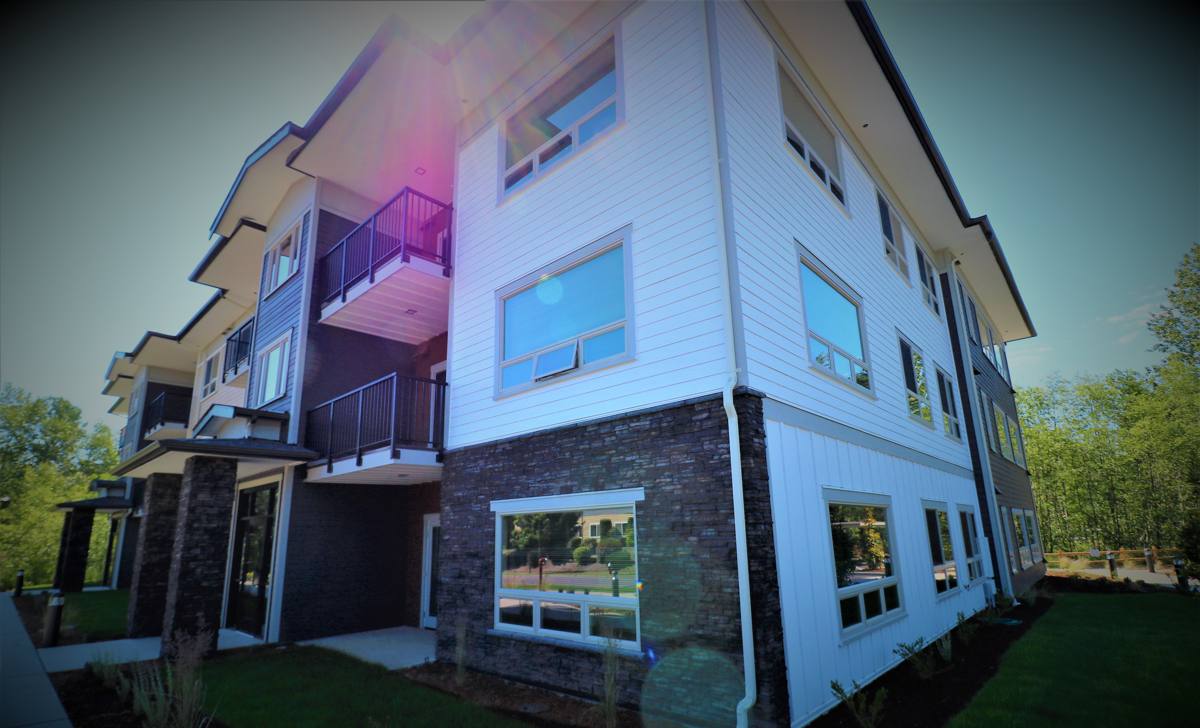
What a Marine Climate Does to the Wrong Siding
Wood and wood-composite sidings absorb moisture through cut edges, fastener holes, and any place the factory coating gets breached. In a climate where rain is frequent and drying time is short, that absorbed moisture doesn't fully evaporate between storms. Over several seasons that shows up as swelling, soft spots, and eventually rot — often starting at the bottom courses and around window and door trim, where water collects.
Vinyl siding handles moisture differently but has its own coastal weak points: it expands and contracts more than fiber cement across the region's temperature swings, and prolonged UV combined with salt air can leave it looking chalky and faded well before a homeowner expects to replace it. Neither of these are defects that only show up in bad installations — they're inherent to how those materials behave, and they're a bigger factor in a marine-exposed neighborhood like Skyline than they would be in a drier, more sheltered part of the county.
Why We Install James Hardie Fiber Cement — and Nothing Else
We made a decision to install only James Hardie fiber cement siding, and we don't install vinyl, LP SmartSide, Cemplank, Allura, or bare cedar or spruce. That's not a marketing position — it's a standard we hold because of what we've seen these products do over years in exactly the kind of coastal, wet-cycle climate Skyline sits in.
James Hardie fiber cement is non-combustible, doesn't swell or rot from moisture exposure the way wood-based products can, and comes factory-finished with ColorPlus technology, which cures the color coat under controlled conditions rather than relying on a field-applied paint job to hold up against salt air and UV. Hardie also engineers its HZ5 product line specifically for the Pacific Northwest's wet-cold climate zone, which is the version we specify for homes in this area. We're not claiming other products are junk — cedar, LP, and vinyl all have legitimate uses in the right setting. We're saying that for the exposure Skyline homes face, we don't think those trade-offs make sense, and we'd rather put our name on one product system we trust completely.
What This Means for Your Project
Every quote we write for a Skyline home is based on Hardie's lap siding, panel, or shingle profiles in the HZ5 formulation, with trim and accessories from the same system so expansion rates, fastening requirements, and finish all match.
What Correct Siding Installation Actually Involves
Siding is only as good as what's underneath it and how it's fastened. On a wind-driven-rain site like Skyline, the details matter more than they would somewhere sheltered.
- A continuous, correctly lapped weather-resistive barrier behind the siding, with all penetrations sealed
- Proper flashing at every window, door, and roof-to-wall intersection, installed to shed water outward and downward
- Correct fastener type, spacing, and depth per James Hardie's installation instructions — under- or over-driven nails are one of the most common causes of early siding failure
- Minimum clearance between the bottom of the siding and grade, decks, patios, and roof lines, so splashback and runoff don't sit against the material
- Properly caulked and backer-rodded joints at trim, not just butted seams painted over
- Rain-screen or drainage-plane detailing where the wall assembly calls for it, so any moisture that does get behind the siding has a way out
Skipping any one of these doesn't usually cause an obvious problem in year one. It shows up two, five, or ten years later as a stain, a soft spot, or a paint failure — right around the time a homeowner assumes the siding itself was to blame, when the real issue was how it went on.
Our Process for a Skyline Siding Project
Assessment First
We start by looking at what's actually happening behind the existing siding, not just what it looks like from the curb. That means checking for moisture intrusion at trim and penetrations, evaluating the condition of the sheathing, and identifying any spots where past repairs or additions created weak points in the water management.
Tear-Off Versus Re-Side
Some homes can go over an existing weather barrier if it's still sound; most full siding replacements in this climate call for a tear-off so we can inspect and, where needed, repair the sheathing and add a proper drainage plane before anything new goes up. We'll tell you honestly which situation your home is in rather than defaulting to the faster option.
Installation and Cleanup
Installation follows James Hardie's published specifications for fastening, clearances, and flashing, adjusted for your home's exposure — a wall that takes the brunt of the prevailing wind and rain gets the same product but more attention to sealant and flashing detail than a more sheltered elevation. We clean up daily and haul away tear-off debris; we don't leave a job site looking like a demolition zone between visits.
What Affects the Cost of a Siding Installation
| Factor | Why It Matters | Typical Cost Impact |
|---|---|---|
| Tear-off vs. install over existing barrier | Tear-off adds labor and disposal but allows sheathing repair and proper drainage detailing | Moderate to High |
| Home's wall complexity | Multiple gables, dormers, and cutouts mean more cutting, flashing, and trim work | Moderate to High |
| Siding profile chosen | Lap, shingle, and panel profiles differ in material and labor | Low to Moderate |
| Trim and accessory scope | Corner boards, frieze boards, and window trim add material and install time | Low to Moderate |
| Sheathing or framing repair needed | Rot or moisture damage found during tear-off must be fixed before new siding goes on | Variable |
| Access and site conditions | Steep grades, tight lot lines, or waterfront exposure can affect staging and scaffolding needs | Low to Moderate |
We walk every one of these factors with you during the estimate so there aren't surprises once the job starts.
Signs Your Current Siding Is Telling You Something
- Panels that feel soft, spongy, or give slightly when pressed near the bottom courses or under windows
- Persistent moss, algae, or black streaking that comes back within a season of cleaning
- Paint or finish that's peeling, bubbling, or chalking well ahead of schedule
- Visible gaps, cracking, or separation at butt joints and trim corners
- Warping, cupping, or boards that no longer sit flat against the wall
- A noticeable jump in heating costs that points to air and moisture getting past the wall assembly
Any one of these is worth a closer look. A few together usually means the siding is past the point where patching makes sense.
Why a Crew That Already Works Skyline Matters
Siding installation isn't one-size-fits-all across Anacortes. A crew that regularly works Skyline knows how the wind and rain patterns off the water behave on this side of the island, where moss tends to build up fastest given the tree cover in the area, and how to sequence a job around the wetter stretches of the year so materials aren't installed in conditions that compromise the work. That's knowledge you build by doing the work here repeatedly, not by reading a spec sheet once. It also means we're a known, findable local crew if a warranty question ever comes up years down the road — not a name that only shows up for one job and disappears.
Get a Straight Answer for Your Home
If your Skyline home's siding is showing its age, or you're planning ahead before it becomes a problem, we're happy to take a look and give you an honest read on what it needs. Reach out for a free, no-pressure estimate using the form below — we'll walk the exterior with you, explain what we find, and tell you plainly whether it's time to replace or whether you've still got some good years left.