 Anacortes Roofing
 Why West Anacortes Roofs Wear Differently
West Anacortes sits close enough to the water that roofs here don't age the same way a roof does ten or fifteen miles inland. Homes near Guemes Channel and Rosario Strait take on wind-driven rain that finds its way into laps and flashing that would stay dry on a more sheltered lot, and the salt-laden air corrodes metal components faster than most homeowners expect. Add in the tree cover common to the neighborhood's older lots, and you get shaded roof sections that stay damp for days after a storm — prime conditions for moss and slow rot. A roof repair here isn't just patching a leak; it's addressing the specific combination of salt, wind, rain, and shade that this part of Anacortes deals with every year.
We work on roofs in this neighborhood regularly, which means we're not guessing at what's causing a problem — we've usually seen the same failure pattern on a similar roof a few streets over. That familiarity matters when you're trying to fix the actual cause instead of just chasing a stain on the ceiling.
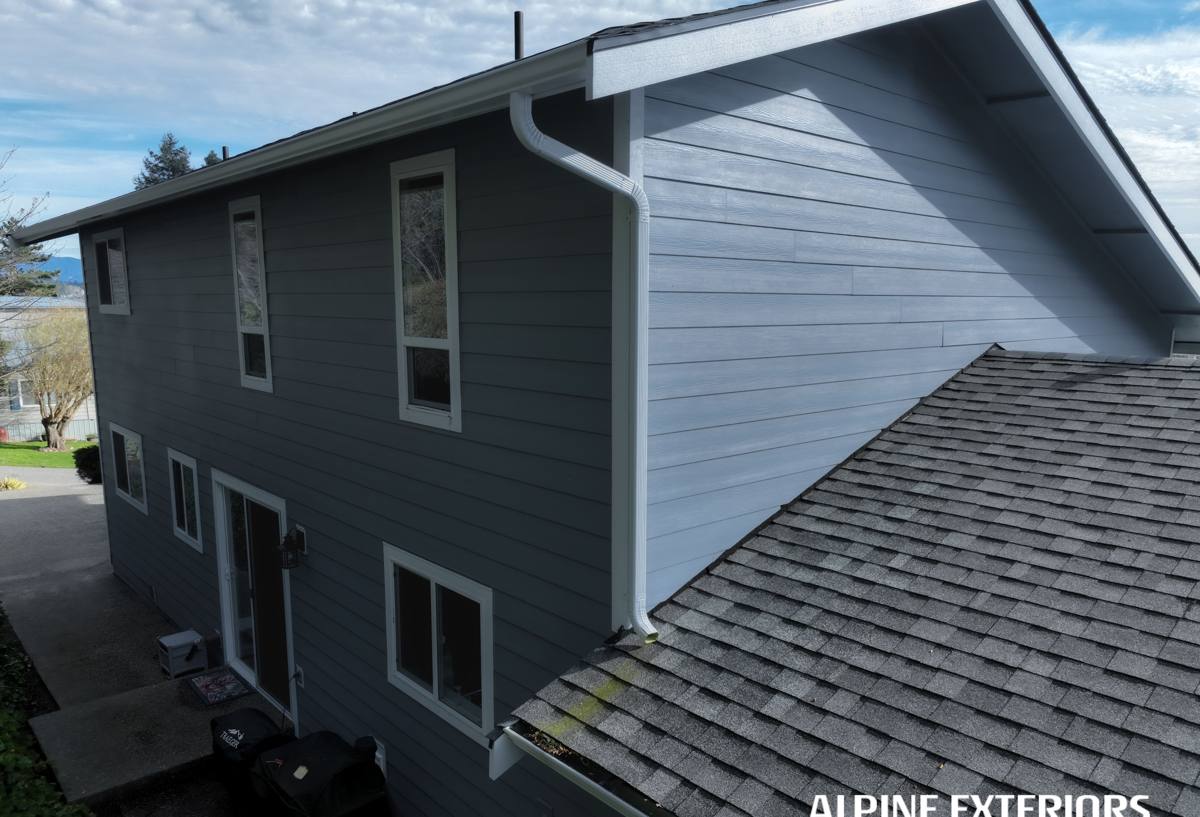
What Salt Air Does to a Roof Over Time
Salt air is corrosive to unprotected or lower-grade metal. On a roof, that shows up in a few predictable places:
- Fasteners (nails and screws) that rust, back out slightly, and lose their grip on shingles or panels
- Flashing around chimneys, vents, and valleys that pits, thins, and eventually opens small gaps
- Gutters and drip edge that corrode faster than the shingles themselves, sending water behind fascia instead of off the roof
- Exposed metal roofing panels and fasteners near the coast that need a coating rated for a marine or coastal environment
None of this happens overnight. It's a slow process that can take years to become visible, which is exactly why a roof that "looks fine from the ground" in West Anacortes can still have compromised flashing or fastener corrosion underneath. Regular inspection catches this before it becomes an interior leak.
Why Standard Fasteners Aren't Always Enough
A lot of roofing material is manufactured and fastened to a general-purpose standard, not a coastal one. We use corrosion-resistant fasteners and flashing metals suited to salt exposure when we repair roofs in this area — it costs a little more up front, but replacing corroded fasteners twice in ten years costs a lot more than doing it right the first time.
Moss, Shade, and the Rain Cycle
West Anacortes has plenty of mature trees, and shaded, north-facing roof sections here can stay damp long after the rest of the roof has dried. That moisture, combined with organic debris from overhanging branches, is exactly what moss needs to establish itself. Once moss takes hold, it does two things that matter for repair work:
- It holds moisture directly against the shingle or panel surface, accelerating granule loss and material breakdown
- Its root structure works into shingle laps and under tabs, physically lifting them and creating entry points for water
By the time moss is visible from the ground, it's often already affecting the roofing material underneath. A repair in a moss-prone area usually includes removing the moss carefully (not just blasting it off, which can strip granules and shorten shingle life further), treating the area, and checking for any shingles that were lifted or damaged in the process.
Signs You Need Repair, Not Just a Look
Some problems are obvious — a stain on the ceiling, a drip during a storm. Others aren't, especially with the slow, coastal-specific wear described above. Watch for:
- Granules collecting in gutters or at downspout outlets (a sign of shingle surface breakdown)
- Moss or dark streaking on north-facing or shaded roof slopes
- Rust staining below metal flashing or fasteners
- Soft spots or slight sagging when walking the roof (we check this, not something to test yourself)
- Daylight visible through the attic roof deck
- Curling, cracked, or missing shingles, especially after a windy winter storm off the Strait
If you're seeing any of these, it's worth a look before the next heavy rain cycle rather than after.
What a Correct Repair Actually Involves
A roof repair that actually holds up in this environment isn't a quick patch over the visible symptom. It's a process:
1. Find the Real Source
Water travels. A stain on a bedroom ceiling can trace back to a flashing gap several feet away. We trace the actual entry point rather than patching where the water happened to show up inside.
2. Check What's Underneath
Once we're at the source, we check the roof deck and underlayment for water damage, soft wood, or existing rot — not just the surface shingle or panel. A patch over a compromised deck won't hold.
3. Match Materials and Fastening for the Environment
We repair with materials and fasteners suited to salt air and driving rain exposure, not whatever happens to be the cheapest match. This is especially true for flashing metal and fastener grade.
4. Reseal and Reintegrate Properly
New shingles, flashing, or sealant need to tie back into the existing roof system correctly — proper laps, proper nailing pattern, proper sealant placement — so the repair doesn't become the next weak point.
5. Verify Before We Leave
We check the repair area and the surrounding roof section before calling the job done, and we tell you plainly what we found, what we fixed, and what to keep an eye on going forward.
Our Process
- Inspection and diagnosis — we get on the roof (or use a close visual and interior check where access is limited) and identify the actual cause, not just the symptom
- Honest explanation — we walk you through what we found, in plain terms, before any work starts
- Repair scope and estimate — a clear description of the work and a straightforward cost range, no surprise add-ons
- The repair itself — done with materials and fastening appropriate for a coastal Anacortes property
- Cleanup and final check — debris, old materials, and moss removed; area checked before we consider it finished
We don't upsell a full replacement when a repair is the honest answer, and we won't quietly patch around a problem that actually needs a bigger fix. You get the real assessment either way.
Repair vs. Replace: How We Help You Decide
Not every roof problem in West Anacortes needs a full replacement — but some do, especially on older roofs that have taken years of salt exposure and moss cycles. Here's a general guide to how we think through it:
| Factor | Leans Toward Repair | Leans Toward Replacement |
|---|---|---|
| Age of roof | Well within expected material lifespan | At or past the material's typical service life |
| Extent of damage | Isolated to one area (flashing, a section of shingles) | Widespread across multiple roof planes |
| Deck condition | Solid, dry roof deck under the damaged area | Soft, rotted, or water-damaged decking in multiple spots |
| Moss/salt history | First occurrence, caught early | Repeated moss or corrosion issues over several years |
| Interior damage | None or minor, recently discovered | Ongoing or repeated interior water damage |
We'll tell you honestly which side of that table your roof falls on. A repair that's likely to fail again within a year or two isn't a good use of your money, and we'll say so rather than sell it.
Materials and Fasteners We Use in This Environment
For a coastal Anacortes repair, material choice matters as much as workmanship. We select flashing metal, fasteners, and sealants rated for salt air exposure and sustained wet weather rather than defaulting to whatever is cheapest or most common inland. Where a roof has metal components, we look at the existing coating and fastener condition closely, since that's usually where coastal wear shows up first. Our standard is to match or upgrade what's there to something that will hold up to the next decade of West Anacortes weather, not just get the roof watertight for one season.
Before You Hire Anyone: A Quick Checklist
- Do they inspect the roof in person before quoting a price?
- Do they explain the cause of the problem, not just the fix?
- Are they licensed and insured to work in Washington State?
- Do they have experience with coastal Skagit County roofs specifically, not just general repair?
- Is the estimate written and itemized, not a vague verbal number?
- Will they tell you honestly if a repair isn't the right call?
A crew that already works in West Anacortes should be able to answer all of these without hesitation, because they've been asked before and they've done the work under these exact conditions.
Why Local Experience Matters Here
Roofing knowledge that applies to a dry inland roof doesn't always transfer directly to a home exposed to Rosario Strait wind and salt spray. A crew that regularly works West Anacortes roofs already knows which flashing details tend to fail first in this exposure, which north-facing slopes are moss magnets, and how the local rain pattern tends to find weak points that a generic inspection checklist might miss. That local pattern recognition is often the difference between a repair that lasts and one you're calling about again next winter.
If you're seeing signs of a leak, moss buildup, or corrosion on your roof, we're happy to take a look and give you a straightforward, no-pressure estimate — free, with no obligation. Use the form below to get started.