 Anacortes Roofing
 Windows Built for Skyline's Exposure
Skyline sits among the elevated, view-oriented properties around Anacortes, and that view comes at a cost most homeowners don't think about until their windows start failing. Homes up here catch more direct wind off the water, more wind-driven rain, and more salt-laden air than homes tucked into town or set back from the shoreline. Add in the long, damp moss season that Skagit County sees every fall through spring, and you've got a set of conditions that will find every weak point in a window installation, whether that weakness is in the product itself or in how it was set.
We install windows across Anacortes, but Skyline jobs get treated a little differently because the exposure is different. A window that performs fine on a sheltered lot in town can underperform on an open, wind-exposed site if it isn't specified and installed with that exposure in mind. That's the piece we focus on here: getting the product, the flashing, and the seal right for the specific way weather hits homes in this part of town.
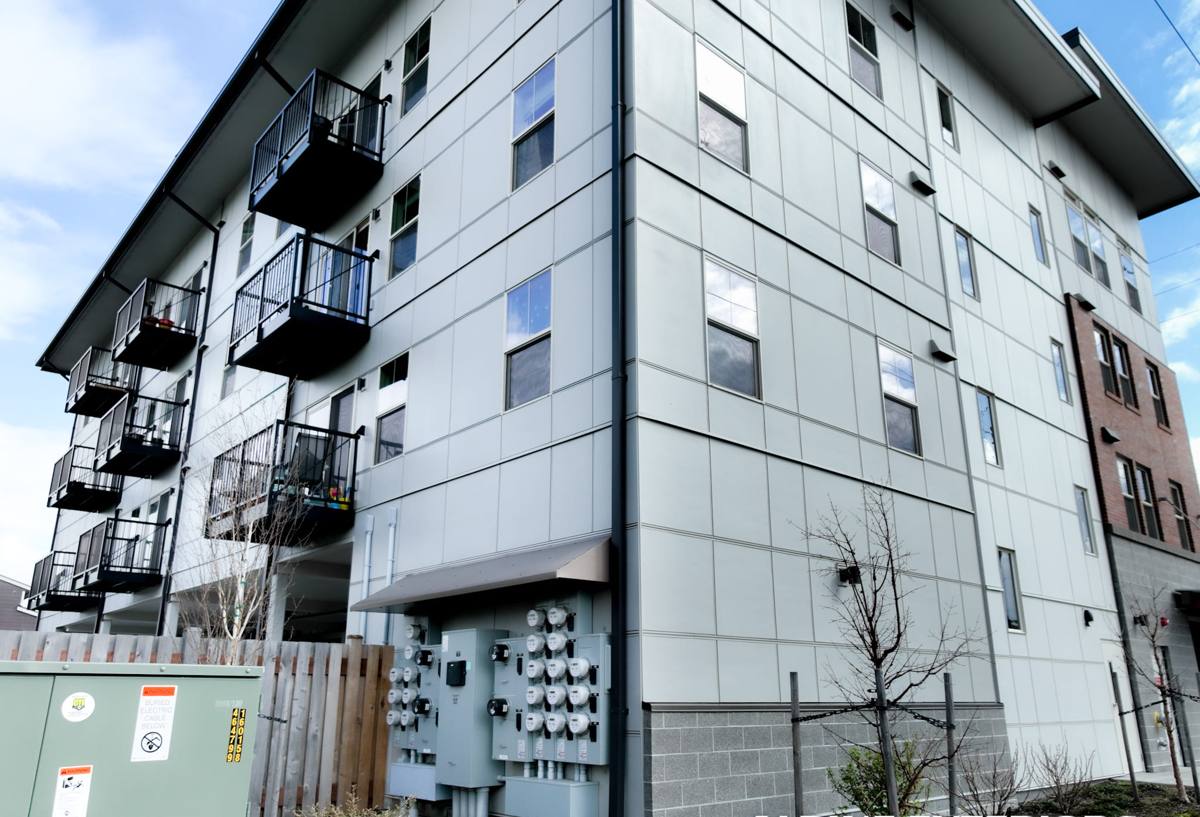
How Salt Air, Rain, and Moss Actually Damage Windows
It helps to understand the failure pattern before talking about the fix. In coastal Skagit County, window problems rarely show up as one dramatic event — they build slowly, and by the time you notice them, moisture has usually been working on the frame or sill for a while.
Salt Air Corrosion
Salt-laden air corrodes exposed metal hardware, fasteners, and some window frame components faster than it would inland. On older aluminum-frame windows especially, this shows up as pitting, stiff or seized hardware, and eventually frames that no longer seal tightly because the metal has degraded. Vinyl and fiberglass frames aren't immune to salt exposure either — it accelerates wear on seals and weatherstripping — but they don't corrode the way bare metal does.
Wind-Driven Rain
Anacortes doesn't get the heaviest rainfall totals in the state, but exposed Skyline lots take rain sideways during storms, which is a different problem than rain falling straight down. Sideways rain gets pushed up under trim, into gaps around poorly flashed openings, and behind window frames that were installed without proper water management. This is the number one cause of hidden rot we find behind older window installations in this area.
Moss and Sustained Moisture
Skagit County's moss season isn't just a roof problem. Moss and algae growth on north-facing walls and window sills holds moisture against wood trim and frames for months at a time. Combined with our short, cool summers, wood surfaces around windows don't get much of a chance to fully dry out between wet spells, which is exactly the condition that lets rot take hold in untreated or poorly sealed wood components.
Signs a Skyline Home's Windows Need Attention
- Visible condensation or fogging between the panes of a double- or triple-glazed unit — a sign the seal has failed
- Soft, discolored, or spongy wood on the sill, jamb, or exterior trim
- Drafts or a noticeable temperature difference near the window on windy days
- Hardware — locks, cranks, hinges — that's stiff, corroded, or difficult to operate
- Peeling paint or bubbling finish on interior trim near the window, often a sign of moisture intrusion from outside
- Visible moss, algae, or dark staining on the sill or lower frame
- Difficulty opening or closing the window, or a sash that no longer sits flush
Any one of these on its own might be minor. Several together, especially on a window facing the prevailing wind and weather, usually means it's time to look at replacement rather than another round of caulk and paint.
What a Correct Window Installation Actually Involves
The window unit itself is maybe half the job. The other half — the part that determines whether the window still performs in ten or twenty years — is the installation detail work that isn't visible once the trim goes back on.
Flashing and Water Management
Every opening needs a flashing system that directs any water that gets past the exterior siding or trim back out, not into the wall cavity. This means correctly lapped house wrap, sill pan flashing that creates a sloped, waterproof tray under the window, and jamb and head flashing integrated with the surrounding weather barrier — not just caulked over it. On wind-exposed lots, we pay particular attention to head flashing and drip edge detail, since that's where driving rain gets pushed hardest against the opening.
Air Sealing and Insulation
The gap between the window frame and the rough opening needs to be sealed and insulated correctly — not stuffed tight with fiberglass, which compresses and loses its insulating value, and not left with gaps that let air and moisture through. Low-expansion foam or backer rod and sealant, applied correctly, keeps the assembly both weathertight and properly insulated.
Frame and Sill Condition
If the existing rough opening has any hidden rot from years of moisture exposure, that has to be addressed before the new window goes in. Installing a new window into a compromised opening just hides the problem temporarily — it doesn't fix it, and it can void the warranty on the new unit.
Fastening and Leveling
Windows need to be shimmed level, plumb, and square, then fastened per the manufacturer's specification — not just however fits. An out-of-square installation stresses the sash and hardware over time, which is often why older windows start sticking or leaking years before they should.
Choosing a Window Frame Material for This Exposure
There's no single "best" window material for every situation, but for the salt air and wind exposure common on Skyline lots, some materials hold up with less maintenance than others.
| Frame Material | Salt Air / Corrosion Behavior | Maintenance Needs | Typical Trade-Offs |
|---|---|---|---|
| Vinyl | Does not corrode; unaffected by salt exposure | Low — occasional cleaning | Limited color/finish options; can't be repainted easily |
| Fiberglass | Excellent — very stable in coastal conditions | Low | Higher upfront cost than vinyl |
| Wood (unclad) | Vulnerable — requires diligent finish maintenance | High — repainting/staining on a regular cycle | Traditional appearance many homeowners still want |
| Wood-clad (metal or vinyl exterior) | Good on the exterior face; interior wood still needs normal care | Moderate | Cladding seams and end grain need attention during install |
| Aluminum | Corrodes over time in salt air unless well-finished | Moderate to high in this climate | Thermally less efficient unless thermally broken |
Hardware matters as much as frame material. We look for corrosion-resistant hardware and weatherstripping rated for coastal or high-exposure use, since that's often the first thing to fail on a window that otherwise still has good glass and a sound frame.
Our Window Installation Process
- On-site assessment. We look at each window's exposure, current condition, and any signs of hidden moisture damage in the surrounding wall before recommending anything.
- Product selection. We walk through frame material, glass package, and hardware options suited to the specific wall's sun and wind exposure — not a one-size answer for the whole house.
- Opening preparation. Old windows come out, and we inspect the rough opening for rot or water damage, repairing framing as needed before anything new goes in.
- Flashing and weatherproofing. Sill pan, jamb, and head flashing are installed and integrated with the existing weather barrier — the step most responsible for long-term performance.
- Installation and sealing. The new window is set level, plumb, and square, fastened to spec, and the gap is insulated and air-sealed correctly.
- Interior and exterior trim. Trim is reinstalled or replaced, and exterior caulking is completed with a sealant rated for our climate.
- Final walkthrough. We check operation, look for any gaps or draft points, and confirm everything is sealed before we consider the job finished.
Why Hiring a Crew That Knows Skyline Matters
A window installer who mostly works sheltered, in-town properties can do a technically fine job and still under-spec a window or flashing detail for a lot that takes weather differently. Crews that regularly work the more exposed properties around Anacortes get a feel for which details actually matter here: where head flashing needs extra attention, which orientations take the worst of the wind-driven rain, and which frame materials hold up without turning into a maintenance chore.
That local pattern recognition doesn't replace good installation practice — it just means fewer surprises. It's the difference between a window that's technically installed correctly and one that's installed correctly for the specific way weather hits that particular wall.
After Installation: Keeping New Windows Performing
A well-installed window still benefits from basic upkeep, especially in a climate with a long wet season and salt air.
- Rinse salt residue off frames and glass periodically, especially on wind-exposed sides of the house
- Keep weep holes on the exterior sill clear of debris so water can drain out as designed
- Check and refresh exterior caulking every couple of years, since sealants do wear out over time
- Remove moss or algae buildup on sills and trim before it holds moisture against the surface long-term
- Operate locks and hardware periodically rather than leaving windows unopened for long stretches, which can let hardware seize up
- Watch for condensation between panes, which signals a failed seal rather than something that can be fixed with cleaning
What Affects the Cost of a Window Installation
Every project is different, but the main cost drivers on a Skyline job tend to be the same handful of factors: how many windows are being replaced, whether any hidden rot or framing repair turns up once the old window comes out, the frame material and glass package chosen, and how much trim work is involved on the interior and exterior. We give straightforward, itemized estimates so you can see exactly what's driving the number rather than a flat per-window price that doesn't account for your specific situation.
If you're noticing drafts, fogged glass, sticking sashes, or moisture damage around your windows, it's worth getting a straightforward, no-pressure look before the next wet season sets in. Use the form below to request a free estimate, and we'll walk your home's specific exposure with you before recommending anything.