 Anacortes Roofing
 Windows Built for the Cap Sante Waterfront
Cap Sante sits close to the water, which means homes here take a different kind of weather beating than houses further inland in Skagit County. Salt-laden air off the marina and Guemes Channel works on window hardware and finishes year-round. Driving rain off Rosario Strait tests every seal and sightline. And the long, damp moss season that settles over Anacortes from fall through spring keeps wood trim and sills wet for weeks at a stretch. Custom windows in this neighborhood have to do more than look good — they have to shrug off conditions that would wear out a standard big-box window in half the time.
We've worked on homes throughout Cap Sante long enough to know which window details matter here and which ones are just marketing. This page walks through what a correct custom window job looks like for this specific stretch of Anacortes, and why the details we insist on aren't optional extras — they're what keeps a window performing ten and twenty years from now.
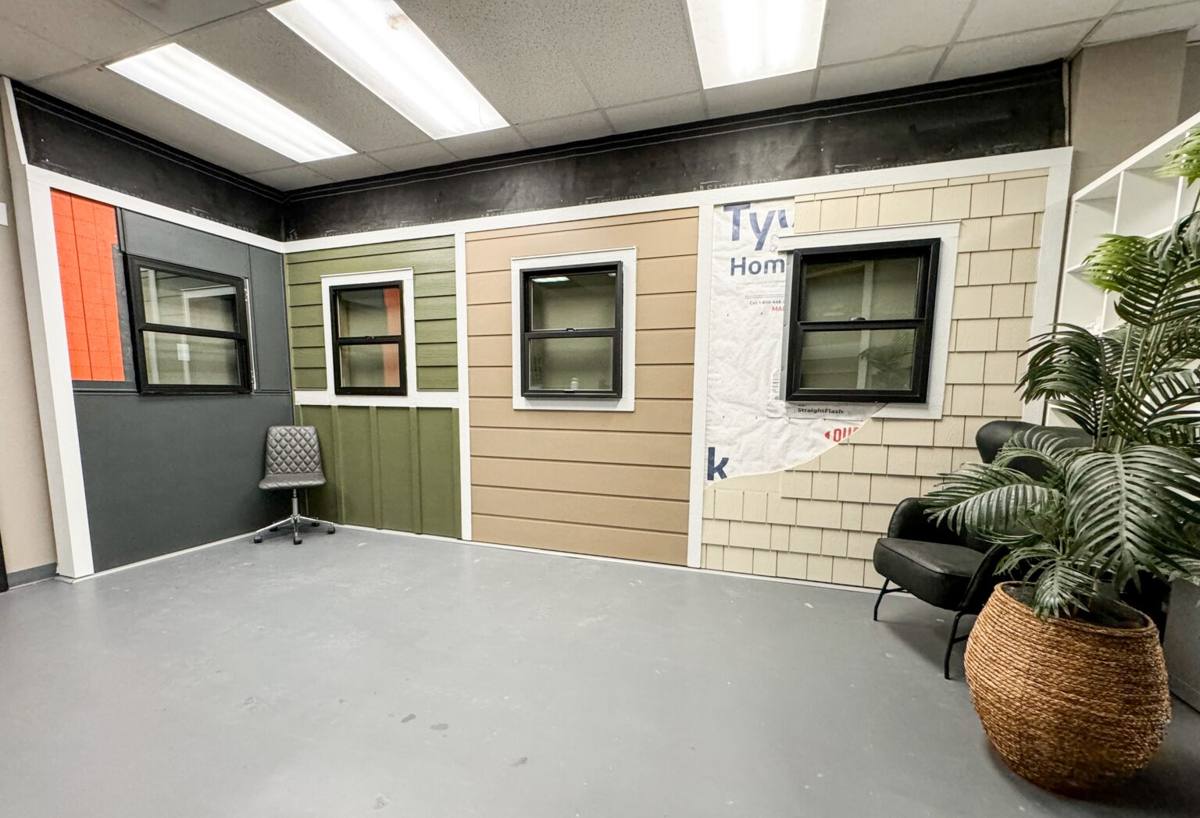
What Cap Sante's Climate Actually Does to Windows
Salt Air and Corrosion
Proximity to salt water accelerates corrosion on anything metal — hinges, balance systems, cranks, and screws. Cheaper window hardware, especially unprotected steel or low-grade aluminum, starts showing rust or seizing up within a few years in a marine-adjacent location like Cap Sante. This is one of the most common complaints we hear from homeowners who installed windows without accounting for where they live: locks that stick, cranks that grind, and hinges that eventually fail.
Driving Rain and Wind-Driven Water
Anacortes gets rain that doesn't fall straight down — it comes sideways off the water during winter storms. That means window flashing, sill pans, and weep systems have to actually work, not just be present. A window that's fine in a sheltered inland yard can leak at Cap Sante if the flashing detail wasn't built for wind-driven water in the first place.
Moss and Sustained Moisture
The long moss season here isn't just a roof problem. Moss and algae can take hold on window sills, exterior trim, and anywhere moisture sits without drying out between storms. Wood components that aren't properly sealed or that have poor drainage detailing stay damp longer, which speeds up rot and paint failure. This is part of why we talk homeowners through trim material and finish choices as carefully as we talk through the window unit itself.
What "Correct" Looks Like in a Custom Window Job
A lot of window problems in this area trace back to installation shortcuts, not the window product itself. Getting it right involves several details that are easy to skip and hard to notice until something fails.
- Proper sill pan flashing so any water that gets past the exterior seal drains back outside instead of into the wall cavity.
- Correctly lapped house wrap and flashing tape at the window's top, sides, and bottom, integrated in the right shingle-style order.
- Backer rod and quality sealant at the exterior joint, sized and applied so it can flex with the building without cracking.
- Shimming and squaring the unit so the sash operates smoothly and the seals compress evenly all the way around.
- Insulating the gap between the window frame and rough opening without overpacking it, which can bow the frame.
- Interior air sealing so conditioned air isn't leaking out around the frame, which also helps prevent condensation.
Skip any one of these and the window can look perfect for a year or two while a slow leak or air gap works away behind the trim. In a wet, salt-air location like Cap Sante, that timeline is often shorter, not longer.
Choosing Window Materials for a Waterfront-Adjacent Home
Frame Material Trade-Offs
There's no single "best" frame material — each has trade-offs worth understanding honestly before you decide.
| Frame Material | How It Handles Cap Sante Conditions | Maintenance |
|---|---|---|
| Vinyl | Doesn't corrode from salt air; good moisture resistance; performance varies by manufacturer quality | Low — occasional cleaning |
| Fiberglass | Very stable in temperature swings and damp conditions; strong resistance to warping | Low — durable finish |
| Aluminum | Can be prone to corrosion near salt air unless properly coated; conducts cold, so condensation risk is higher | Moderate — watch for pitting over time |
| Wood (clad or solid) | Classic look, but exposed wood needs real upkeep in a moss-prone, wet climate | Higher — refinishing and moss/mildew checks |
Glass Packages
For Anacortes homes, we generally recommend dual-pane glass with a low-E coating as a baseline. It cuts down on heat loss during our cool, wet winters and reduces glare and UV fading in summer. Argon or krypton gas fill between panes adds a modest efficiency boost. On homes with direct exposure to wind off the water, we also talk through impact-resistant or laminated glass options, less for storm protection and more for the added durability against debris in wind events.
Hardware and Finish Choices That Actually Matter Here
Because of the salt air, hardware finish is not a cosmetic afterthought at Cap Sante — it's a functional decision. Look for hardware rated or finished for coastal or marine-adjacent exposure, and avoid unfinished or low-grade steel components wherever possible. The same logic applies to exterior trim: a paintable, moisture-stable material with a quality exterior-grade finish will hold up far better through repeated wet-dry cycles than bare or minimally finished wood.
A Quick Pre-Install Checklist
- Confirm hardware finish is rated for coastal/marine exposure, not just standard interior-grade hardware.
- Ask what sill pan flashing method will be used, not just what tape brand.
- Confirm glass package (dual-pane, low-E, gas fill) matches your home's sun exposure and heating setup.
- Ask how old flashing and sheathing will be inspected and repaired if damaged during removal.
- Get the warranty terms for both the window product and the labor, in writing, before work starts.
Our Process for Cap Sante Window Projects
1. On-Site Assessment
We start by looking at the existing windows, sills, and surrounding trim from both outside and inside. This tells us whether there's existing water damage, how the current flashing was done, and whether the rough openings are square and sound before we quote anything.
2. Material and Product Walkthrough
We go over frame material, glass package, and hardware options against your budget and how exposed your particular part of Cap Sante is to wind and salt air. We're straightforward about trade-offs — we'd rather you choose the right window for your home than the most expensive one.
3. Removal and Opening Prep
Old windows come out carefully so we can inspect the sheathing and framing underneath. Any rot or water damage found at this stage gets addressed before a new window ever goes in — installing a new window over a compromised opening just hides the problem.
4. Flashing and Installation
This is where the installation details from earlier in this page get executed: sill pan, properly lapped flashing, correct shimming, air sealing, and exterior sealant. We don't treat this step as a formality.
5. Final Check and Walkthrough
Every window gets operated, checked for square, and inspected for a clean seal before we consider the job done. We walk you through operation, hardware care, and what to watch for over the first few seasons.
Why a Crew That Already Works Cap Sante Matters
Anacortes as a whole has its own weather personality, but Cap Sante's closeness to the water gives it its own conditions within that — more salt exposure, more direct wind off the channel, and homes often built with sightlines and layouts oriented toward the water view. A crew that's worked this specific area knows what kind of flashing details tend to fail here, which hardware finishes hold up, and how local building patterns affect window sizing and placement. That local pattern recognition is hard to substitute with generic experience from a different climate zone.
It also means faster, more accurate quoting. We're not guessing at what your home is dealing with — we've seen the same salt air, the same driving rain angles, and the same moss buildup on other homes nearby.
Maintaining Custom Windows in a Skagit County Marine Climate
Even a well-installed window benefits from basic seasonal upkeep in this climate:
- Rinse salt residue and grime off exterior frames and hardware a few times a year, especially after storms.
- Check and clear weep holes so water draining out of the frame isn't blocked by debris or moss growth.
- Inspect exterior caulking annually for cracking or gaps, and touch it up before it fails completely.
- Operate locks and cranks periodically through the year so hardware doesn't seize from disuse plus moisture.
- Watch trim and sills for moss or dark staining, which signals moisture sitting longer than it should.
None of this is a lot of work, but skipping it in a location like Cap Sante shortens the life of even a good window.
Get a Straightforward Estimate
If you're weighing custom window options for a Cap Sante home, we're happy to take a look, walk through what your home actually needs given its exposure, and give you an honest estimate with no pressure attached. Use the form below to get started.