 Anacortes Roofing
 New Roof Installation for Sedro-Woolley Homes
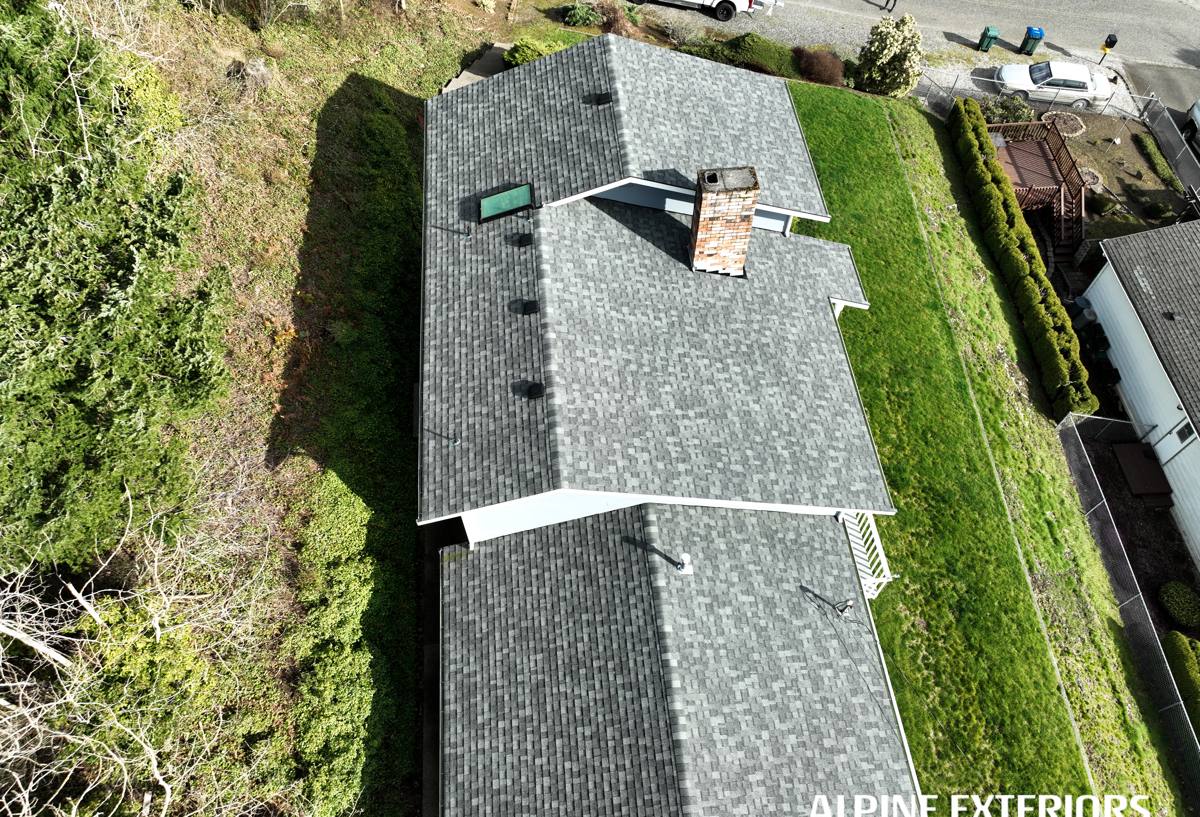
Sedro-Woolley sits inland along the Skagit River, in the flatter part of the valley where the farmland starts to give way to the foothills of the North Cascades. That's a different roofing environment than the open, wind-exposed shoreline around Anacortes and Fidalgo Island, but it's not an easy one. Mature fir and cedar trees shade a lot of rooflines here, driving rain still pushes hard up the valley during the wetter months, and the combination of shade and moisture keeps a lot of roofs damp far longer than homeowners realize. A new roof installation done right for a Sedro-Woolley home accounts for all of that from the start, rather than treating it like any other roof in Skagit County.
This page covers what a correct new roof installation involves for homes in and around Sedro-Woolley specifically, and why it's worth hiring a crew that already works this part of the county on a regular basis.
What the Skagit Valley Climate Asks of a Roof Here
Shade, Moisture, and a Long Moss Season
Tree cover is one of the defining features of a lot of Sedro-Woolley properties, and it comes with a tradeoff for roofs. Filtered light and windbreak from surrounding trees mean roof slopes, especially north-facing ones, stay wet for days after a storm instead of drying out in an afternoon. That extended dampness is exactly what moss and moss-friendly algae need to establish, and once moss gets a foothold it holds moisture against the shingle surface, works into laps and granules, and can lift tabs over time. A moss season that runs most of the year is one of the biggest differences between roofing here and roofing in a more open, breezier part of the county.
Driving Rain and Valley Runoff
Weather systems moving up the Skagit Valley from Puget Sound can push rain harder and more sideways than a calm day would suggest, driving water into valleys, laps, and flashing seams rather than letting it simply run off. Lower-pitch roof sections and areas around dormers or chimneys take the brunt of that, which is why underlayment coverage and valley flashing details matter as much as the shingle itself on a properly installed roof.
Salt Air's Smaller, but Real, Reach
Sedro-Woolley doesn't sit on the water the way parts of Anacortes and Fidalgo Island do, so direct salt spray isn't the daily factor here that it is closer to the shoreline. But Skagit County's salt-carrying air off Puget Sound still reaches inland on windier weather patterns, adding a smaller but real corrosion load to exposed fasteners, flashing, and metal roof components over the years. It's a secondary concern compared to shade and moisture here, but it's still a reason to spec corrosion-resistant hardware rather than assume an inland location means no exposure at all.
Temperature Swings and Freeze-Thaw
Being closer to the foothills than towns nearer the Sound, Sedro-Woolley sees slightly cooler overnight temperatures and more freeze-thaw cycling through the winter. Roofing materials and underlayments that trap or absorb moisture are more prone to cracking and granule loss when that moisture freezes and expands repeatedly, which is another reason a roof built for this valley needs the right layers underneath the visible surface, not just a good-looking shingle on top.
What a Correct New Roof Installation Actually Involves
Full Tear-Off and Deck Inspection
We remove the existing roofing down to the deck rather than layering over it. That lets us actually see the plywood or OEM sheathing underneath, check for soft spots, delamination, or water staining, and replace any damaged sections before anything new goes down. Roofing over a compromised deck is one of the more common shortcuts in low-bid jobs, and it's a big part of why some "new" roofs fail years before they should.
Underlayment and Water-Resistive Barrier
A synthetic underlayment goes down across the full deck, with self-adhered ice-and-water barrier at the eaves, valleys, and any roof-to-wall transitions where water is most likely to find a way in. Given how long a shaded Sedro-Woolley roof plane can stay wet after a storm, this layer is doing real work here, not just meeting a code minimum.
Flashing at Every Penetration
Chimneys, plumbing vents, skylights, and sidewalls are where the majority of roof leaks actually start, far more often than through the shingle field itself. Step flashing, counter-flashing, and vent boots all need to be sized and installed correctly, and re-used or reshaped old flashing is a shortcut we don't take on a new installation.
Ventilation Balance
Balanced intake at the soffits and exhaust at the ridge keeps the attic space below the roof deck dry and at a reasonable temperature. That matters even more under heavy tree cover, since a shaded attic can trap humidity that never fully clears, which shortens shingle life from underneath and can encourage moss and mildew on the roof deck itself, not just the surface above it.
Choosing a Roofing Material for a Shaded, Wet Lot
There's no single right material for every Sedro-Woolley home, but the choice matters more here than it would on a dry, open, low-tree-cover lot. Here's how the common options generally compare for this kind of setting:
| Material | Moss & Moisture Behavior | Typical Lifespan | Best Fit |
|---|---|---|---|
| Architectural (dimensional) asphalt shingle | Good with algae-resistant granules; needs clean valleys and gutters to perform | 25-30+ years installed to spec | Most Sedro-Woolley homes, shaded or open |
| 3-tab asphalt shingle | More prone to early granule loss and curling under sustained moisture | 15-20 years | Budget-driven projects on lower-exposure roof planes |
| Standing seam metal | Sheds moss and water fast; minimal surface for growth to establish | 40-50+ years | Steep, heavily shaded lots or homeowners planning to stay long-term |
| Synthetic shake / composite | Moderate; performance varies a lot by manufacturer and installation detail | 30-50 years, product-dependent | Homeowners wanting a shake look with less upkeep than wood |
These are general industry patterns, not guarantees — actual performance always comes down to installation quality, ventilation, and how diligently moss and debris get kept off the roof afterward.
Our New Roof Installation Process
- On-site inspection covering roof age, deck condition, ventilation, and how much tree cover and shade the specific roof planes get
- Honest material discussion based on that specific lot's exposure, not a one-size answer
- Written estimate with no pressure to decide on the spot
- Permitting and scheduling, built around realistic weather windows rather than guessing
- Full tear-off and any deck repair the inspection turns up
- Underlayment, ice-and-water barrier, and flashing installed at every valley and penetration
- Ventilation components installed or corrected to balance intake and exhaust
- Roofing material installed to manufacturer specification
- Full site cleanup, including a magnetic sweep for stray nails
- Final walkthrough with the homeowner and warranty paperwork handed over
Why a Crew That Already Works Sedro-Woolley Matters
A roof built correctly for a wind-exposed lot near the water isn't automatically built correctly for a shaded valley lot a few miles inland, and the reverse is just as true. A crew that works this part of Skagit County regularly knows which roof orientations stay wet longest here, where moss shows up first, and how the valley's rain actually behaves across a full year rather than on one install day. That shapes real decisions — flashing details, ventilation layout, and which materials are worth recommending on a specific lot.
It also means accountability after the fact. A local company is easy to find if a question comes up after the job wraps, and has a reputation in the community worth protecting, not just a job number in a call queue somewhere out of state.
Keeping Moss From Cutting a New Roof Short
- Keep gutters, valleys, and downspouts clear of needles and leaf litter, especially into fall
- Trim back overhanging branches where practical, to let more light and airflow reach the roof plane
- Schedule a yearly roof check, ideally before the wettest stretch of the year
- Avoid pressure washing a roof; it can strip granules and shorten shingle life — gentle, low-pressure treatments are safer
- Ask about zinc or copper strips near the ridge as an ongoing, low-maintenance moss deterrent
- Check shaded, north-facing slopes first when looking for early regrowth — that's usually where it shows up soonest
Signs Your Sedro-Woolley Roof May Be Due for Replacement
- Granules building up in gutters and at the base of downspouts
- Shingles that are curling, cupping, or visibly cracked
- Moss that comes back quickly even after a cleaning
- Daylight or moisture visible through the attic sheathing
- Ceiling stains, musty odor, or soft spots noticed from inside the attic
- A roof at or past the end of its expected service life for its material
- Heating bills creeping up in a way that tracks with attic or roof performance
Cost Factors for a New Roof in Sedro-Woolley
We don't post fixed prices because every home and every roof is different, but the variables that actually move the number from house to house are consistent:
- Total roof size, pitch, and complexity — dormers, valleys, and multiple roof planes all add labor
- How many layers of old roofing need to come off, and whether the deck underneath needs repair
- Material chosen — asphalt shingle, metal, or synthetic each carry different material and labor costs
- Ventilation work needed to correct an existing intake-exhaust imbalance
- Site access, including tree cover and staging room, which varies a lot on the more rural lots common around Sedro-Woolley
In general, a straightforward asphalt shingle replacement on an average single-family home tends to land in a broad middle range, while steep pitches, multiple layers to remove, significant deck repair, or a switch to metal roofing push toward the higher end. We walk every roof in person before giving a number, because guessing from the street rarely reflects what's actually going on underneath the existing shingles.
If your Sedro-Woolley roof is showing its age, or you'd rather plan ahead than wait for a leak to force the decision, we're happy to take a look and give you a straightforward read on what it actually needs. No pressure, no upsell script — just an honest assessment from a crew that already works this part of Skagit County. Use the form below to schedule a free, no-pressure estimate.