 Anacortes Roofing
 Siding Built for Where Skyline Sits
Skyline is one of the more exposed residential pockets in the Anacortes area — close to the water, open to wind off the Sound, and shaded enough in places to hold onto moisture longer than homes further inland. That combination is hard on siding. Salt air corrodes fasteners and finishes faster than dry inland air. Driving rain, pushed sideways by wind off the water, finds every gap in a siding system that wasn't installed to spec. And Skagit County's long, mild, wet stretch of the year gives moss and algae months to establish themselves on anything that stays damp.
None of that means siding replacement in Skyline has to be complicated. It means the choices matter more here than they would in a drier, more sheltered part of the state. This page covers what Skyline homes specifically need from a siding replacement, what a correct installation actually involves, and how our process works when we're on-site in this neighborhood.
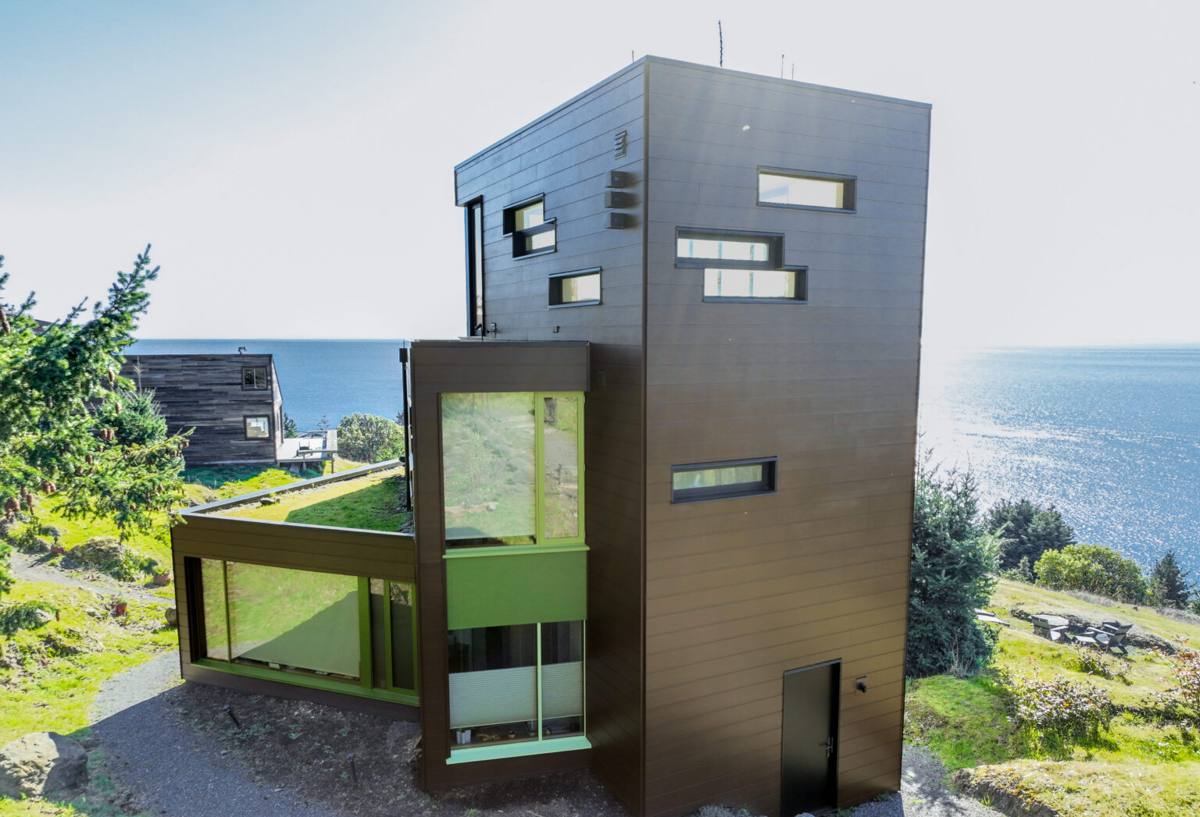
What the Marine Climate Does to Siding Over Time
Anacortes sits on Fidalgo Island in Skagit County, surrounded by saltwater on multiple sides. That geography shapes everything about how exterior materials age here.
Salt Air
Airborne salt accelerates corrosion on fasteners, flashing, and any metal trim. It also breaks down cheaper paint finishes faster than a standard weather rating accounts for, which is why factory-cured, baked-on finishes hold up better here than field-applied paint.
Driving Rain
Wind-driven rain doesn't just fall on siding — it gets pushed into laps, seams, and butt joints. A siding system depends on correct overlaps, sealed penetrations, and a functioning water-resistive barrier behind it. When any of those details are skipped, water gets behind the cladding long before a homeowner sees a stain on the surface.
Moss and Algae Season
Shaded walls, north-facing elevations, and anything near overhanging trees stay damp for extended stretches much of the year. Materials that absorb moisture — or that swell and hold water at cut edges — give moss and algae something to grow on. Materials that shed water and resist moisture absorption simply don't offer the same foothold.
Signs a Skyline Home Needs Siding Replacement
Not every siding problem means a full tear-off. But in a climate like this, small issues tend to compound quickly once water gets behind the cladding. Watch for:
- Soft or spongy spots when you press on the siding, especially near the bottom courses
- Visible warping, buckling, or separation at seams and corners
- Paint that's peeling or bubbling rather than just fading
- Persistent green or black staining that returns quickly after cleaning
- Cracked or crumbling caulk around windows, doors, or trim
- A musty smell near exterior walls, or interior drywall that feels damp to the touch
- Visible gaps, rot, or insect damage at board edges and butt joints
Any one of these can be a minor fix. Several together, especially on the sides of the house that take the most weather, usually mean the siding system itself has reached the end of its useful life.
Why We Install Only James Hardie Fiber Cement
We don't install vinyl, LP SmartSide, primed spruce or cedar, or fiber cement alternatives like Cemplank or Allura. That's a deliberate standard, not a sales pitch, and it's worth explaining honestly.
Vinyl is affordable and low-maintenance in mild climates, but it's a petroleum-based product that expands and contracts with temperature swings, can crack in impact events, and relies on unsealed laps for drainage — which is a harder sell in a place that gets sustained wind-driven rain. Engineered wood products like LP SmartSide use a resin-treated wood strand core that performs well when detailing is perfect, but wood-based cores are inherently more sensitive to sustained moisture exposure than a cement-based product, and this coastline doesn't give a wall much of a break between wet stretches. Primed spruce and cedar are traditional, attractive options, but they're wood — they need active maintenance (repainting, caulking, moisture monitoring) to hold up against salt air and constant damp, and skipping a maintenance cycle here shows up faster than it would inland.
James Hardie fiber cement is cement, sand, and cellulose fiber. It doesn't rot, it isn't attractive to insects, and it's non-combustible. Hardie's HZ5 product line is engineered specifically for climates with sustained moisture exposure like ours, and the ColorPlus finish is baked on at the factory in multiple coats rather than applied on-site — which matters directly for salt air exposure, since factory finishes hold color and resist fading and peeling far longer than field-applied paint. It's also backed by a real transferable limited warranty on both the substrate and the finish. That's the combination we're willing to put our name behind on a Skyline roofline.
What a Correct Siding Replacement Involves
Tear-Off and Inspection
Old siding comes off down to the sheathing, and that sheathing gets inspected for rot, soft spots, or prior water damage — especially around window and door openings, which are the most common failure points. Anything compromised gets repaired or replaced before new siding goes up. Installing new siding over damaged sheathing just hides the problem for a few more years.
Water-Resistive Barrier and Flashing
A correctly lapped water-resistive barrier, properly integrated window and door flashing, and correctly flashed penetrations (vents, hose bibs, light fixtures) are what actually keep water out — the siding itself is the second line of defense, not the first. This is the step that's easiest to shortcut and the one that causes the most expensive problems down the road when it's skipped.
Installation to Manufacturer Spec
James Hardie siding has specific requirements for fastener type and placement, minimum clearances from grade, roofing, and decking, and joint treatment. These specs exist because they were tested for the product to perform and stay under warranty. Nail placement that's too high, too low, or too close to an edge can void coverage and cause premature cracking — and it's not something a homeowner can easily verify after the fact without knowing what to look for.
Finish Details
Corners, trim, and caulking are where a siding job either looks clean for twenty years or starts showing gaps within a couple of seasons. We use compatible trim systems and correctly sized fasteners, and we caulk only where Hardie's installation guidelines call for it — over-caulking can trap moisture just as easily as under-caulking lets it in.
Our Process for Skyline Projects
- On-site assessment. We walk the exterior, check for the signs of failure listed above, and look specifically at the elevations that take the worst weather off the water.
- Written estimate. A clear scope covering tear-off, sheathing repair (if needed), water-resistive barrier, Hardie product line and color, and trim details — no vague allowances.
- Scheduling around weather. Fiber cement installation needs reasonably dry conditions for cutting and finishing; we plan the job around Skagit County's forecast rather than pushing through a wet window.
- Tear-off and sheathing inspection as described above, with any damage reported and addressed before moving forward.
- Installation to spec — barrier, flashing, siding, and trim, in that order, with attention to the details that matter most in a marine climate.
- Final walkthrough. We go over the finished job with the homeowner before calling it done.
Comparing Siding Materials for This Climate
| Material | Moisture Resistance | Maintenance | Fire Resistance | Finish Longevity |
|---|---|---|---|---|
| James Hardie Fiber Cement | Excellent — cement-based, won't rot | Low — occasional wash | Non-combustible | Factory-baked ColorPlus, long-lasting |
| Vinyl | Moderate — relies on unsealed lap drainage | Low, but prone to cracking/warping | Combustible, can melt/deform near heat | Color molded in, but fades and chalks over time |
| Engineered Wood (LP SmartSide) | Good if detailing is perfect; sensitive to sustained wet exposure | Moderate — edge sealing matters | Combustible | Factory-primed, needs field topcoat |
| Primed Spruce / Cedar | Fair — wood absorbs moisture | High — regular repainting and caulking | Combustible | Field-applied paint, shortest repaint cycle |
Cost Factors for Siding Replacement in Skyline
Every home is different, so we don't quote broad numbers without seeing the house, but the factors that actually move a siding replacement estimate are consistent:
| Factor | Why It Matters |
|---|---|
| Sheathing condition | Rot or water damage found during tear-off adds repair scope before new siding can go on |
| Home size and wall complexity | More corners, dormers, and trim details mean more labor and material cuts |
| Siding profile and color | Lap width, texture (smooth vs. cedar-shake style), and ColorPlus color selection affect material cost |
| Existing siding removal | Multiple layers or difficult-to-remove old material adds tear-off time |
| Access and site conditions | Slopes, tight setbacks, or landscaping near the foundation affect staging and labor time |
Why a Crew That Already Works Skyline Matters
A crew that's worked this specific pocket of Anacortes knows which elevations of a Skyline home typically take the worst of the wind and rain, understands how quickly moss establishes on shaded walls here, and doesn't need to relearn Skagit County's weather patterns on your job. That familiarity shows up in small decisions — where to add extra attention to flashing, which color finishes actually hold up against salt exposure over time, how to sequence a job around this area's wet stretches — that a crew unfamiliar with the local conditions might not think to make.
It also means straightforward accountability. We're not driving in from out of the area for one job and disappearing — we're a local contractor with a reputation in this community to maintain.
If your Skyline home is showing signs of siding failure, or you're just planning ahead, we're glad to walk the exterior with you and give an honest read on what it needs. Reach out for a free, no-pressure estimate — there's a form right below this page to get started.